
 Featured
Dark blonde vs light brown: which color feels right?
The border between blonde and brown is less useful than the brightness, warmth, root contrast and upkeep you actually want to live with.
The Hair Muse blog
Tips, guides, and inspiration for your next look.
FeaturedThe border between blonde and brown is less useful than the brightness, warmth, root contrast and upkeep you actually want to live with.
 Featured
Keep the crown growing, decide what to do at the nape, and make each awkward length serve the longer cut you actually want.
 Featured
Compare the shorter face frame, long perimeter, natural movement, and real styling effort before choosing a layered cut.
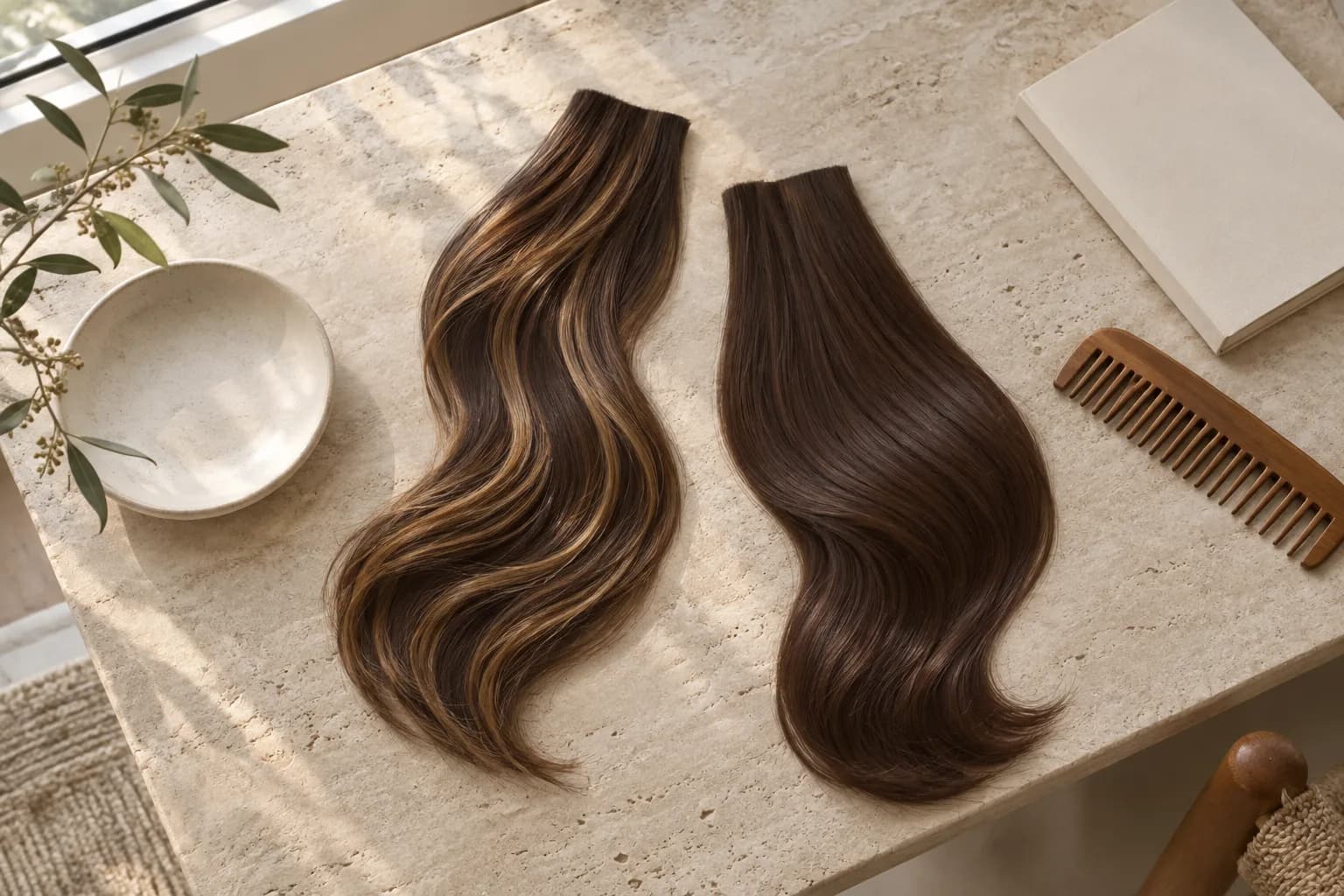
Choose between dimensional ribbons and one continuous shade by comparing contrast, regrowth, hair condition, routine, and the result you actually want.

Compare a pixie, bixie, and short bob on one controlled photo, then turn the strongest direction into a practical cut and maintenance brief.
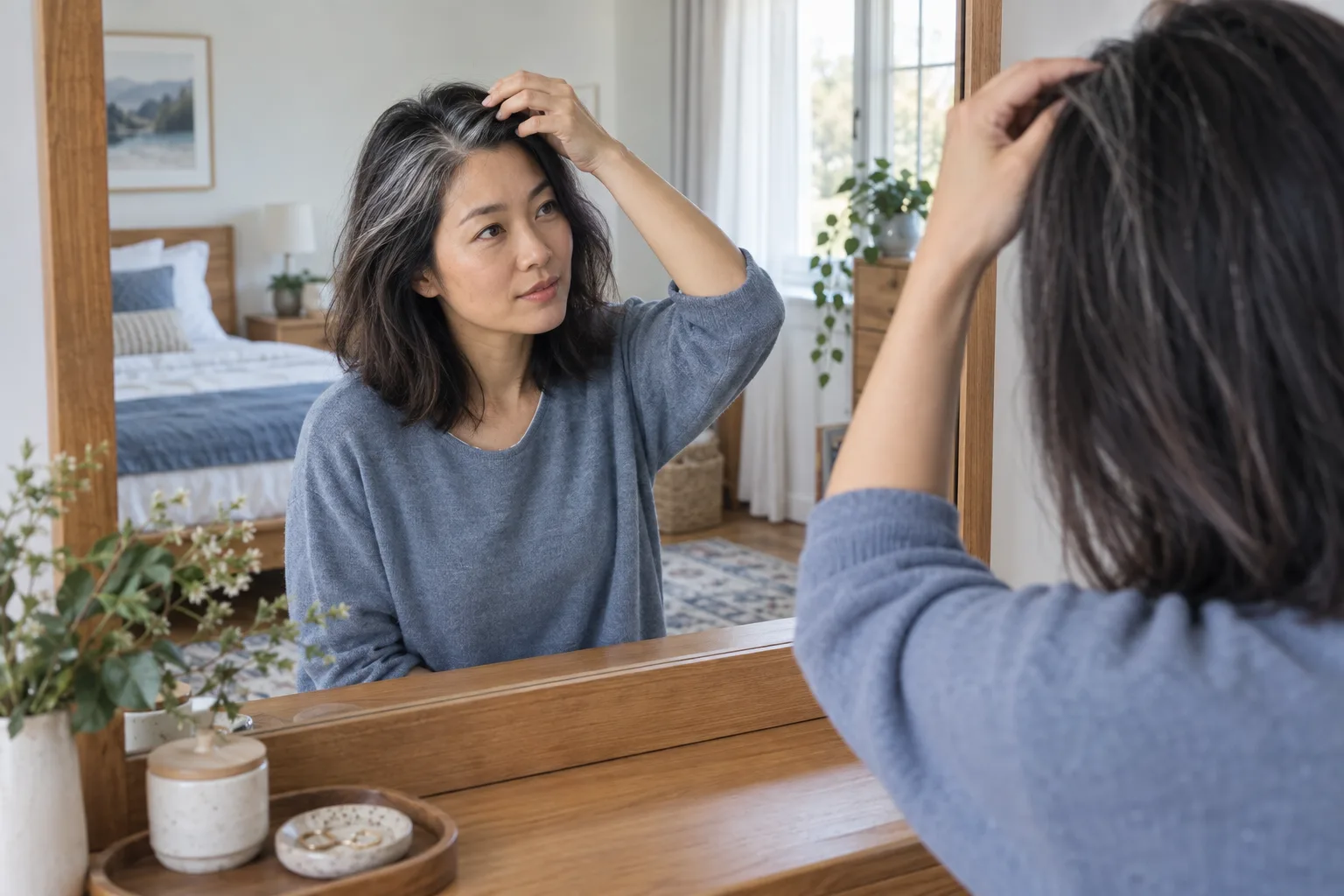
Choose between full coverage, a softer blend, and deliberate grow-out by mapping your real pattern, maintenance limit, contrast, and transition timeline.
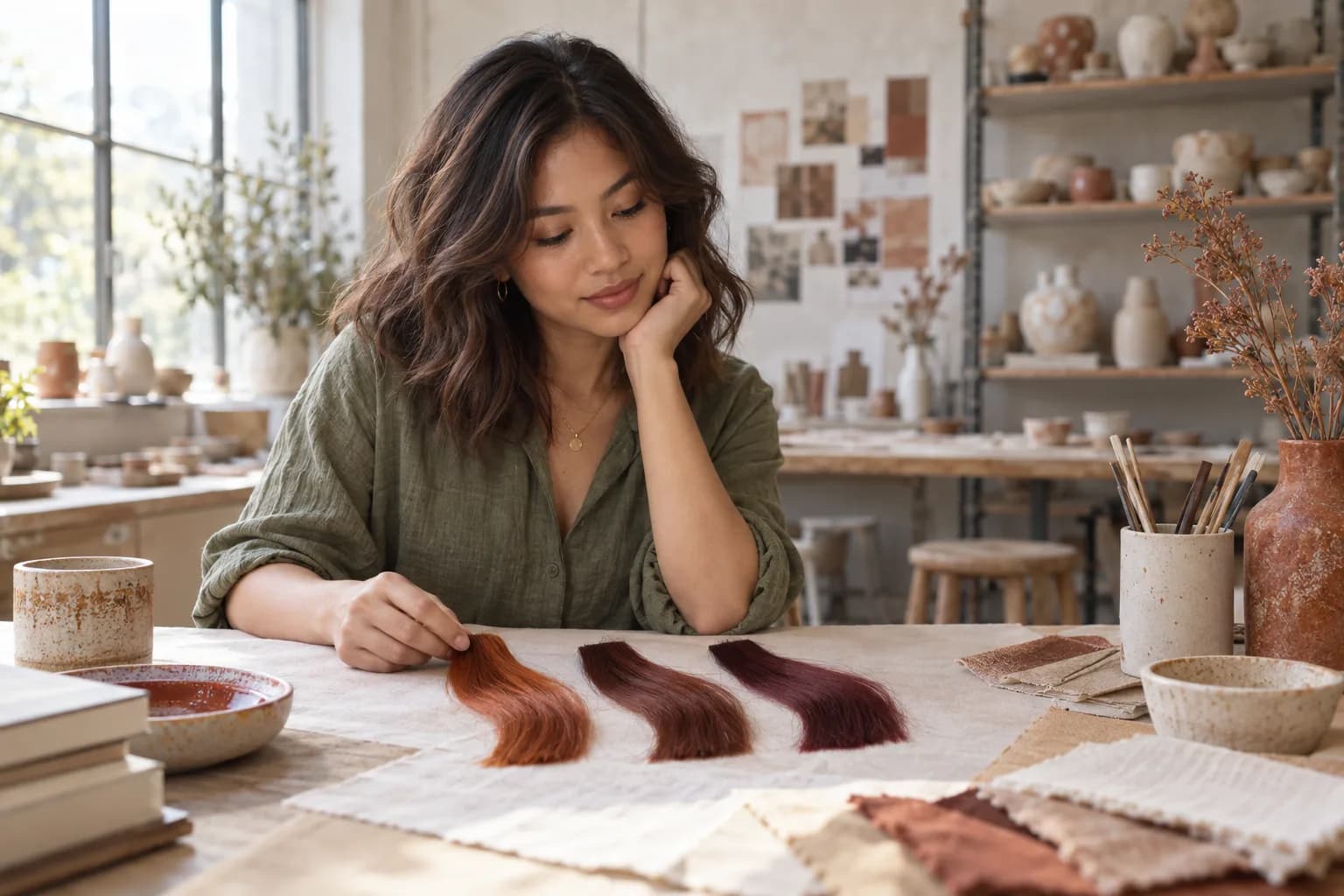
Compare three very different red families on one controlled photo, then turn the most convincing direction into a realistic color consultation.
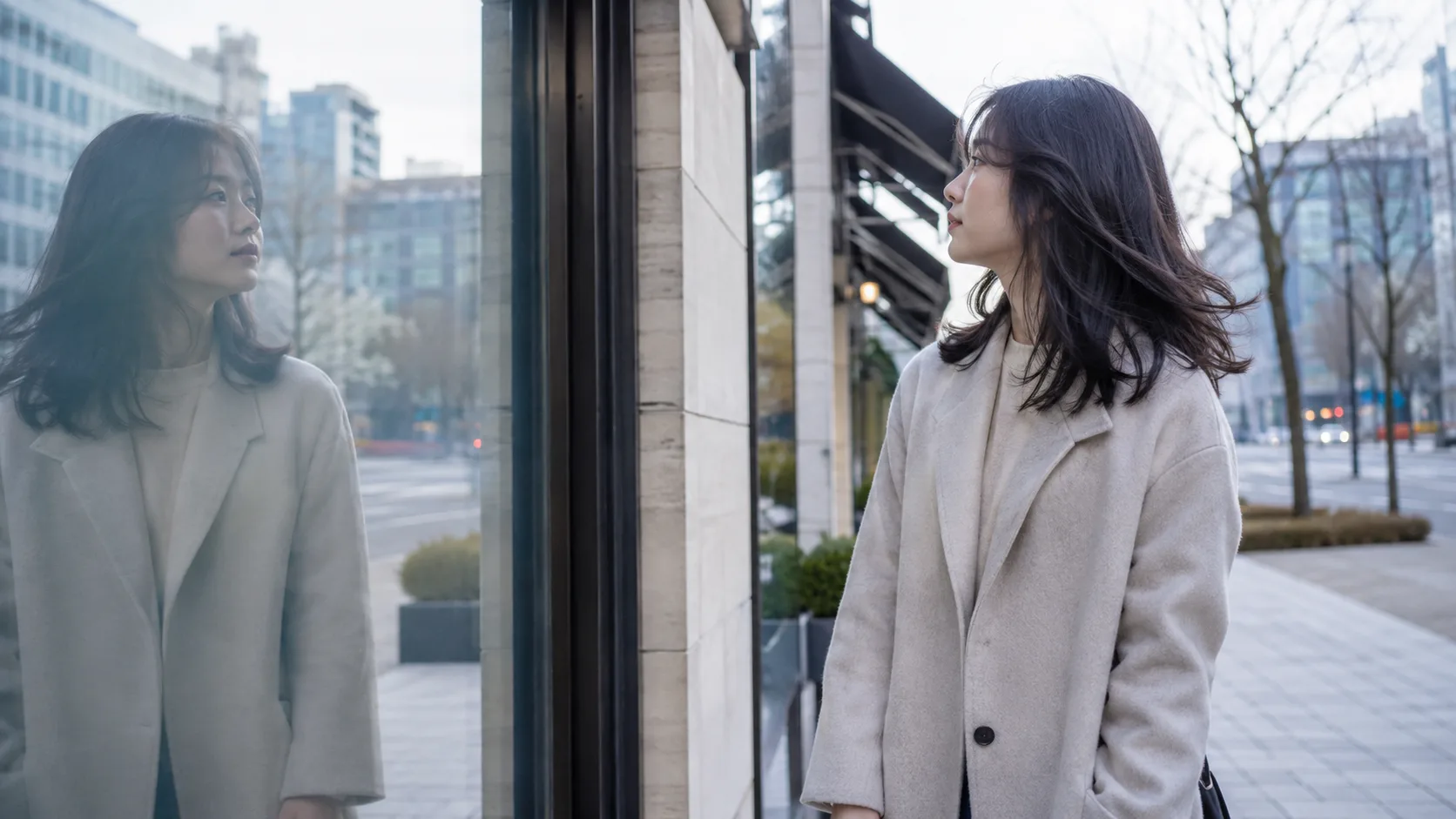
Learn what a hairstyle preview can compare reliably, what it cannot predict, and how to turn a useful visual direction into a realistic salon conversation.
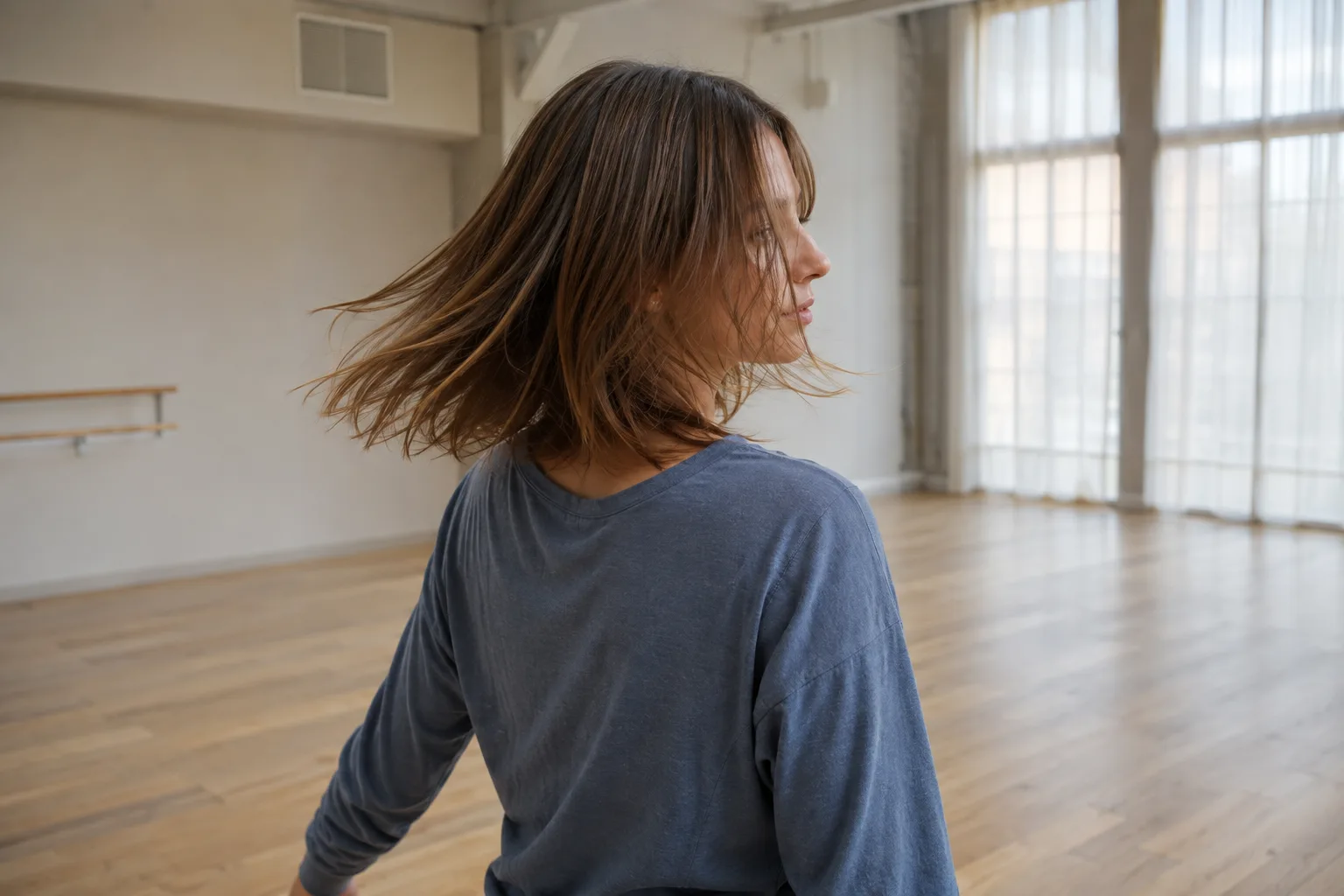
Compare perimeter, length, crown height, movement, and daily effort on one clear photo before turning a fuller-looking shape into a salon brief.
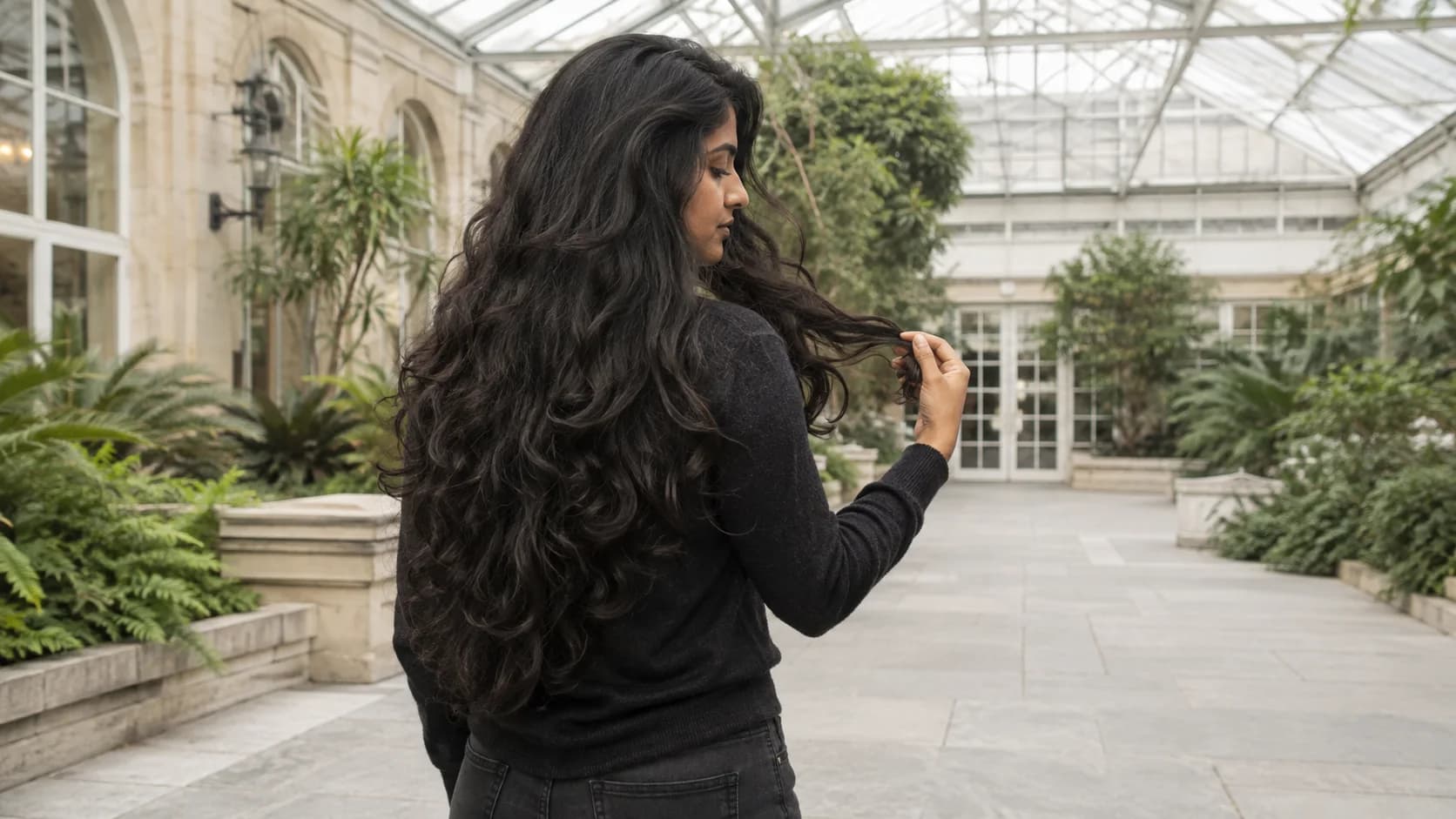
Map density, weight, movement, drying time, and tie-back needs before asking for less bulk or choosing a new outline.
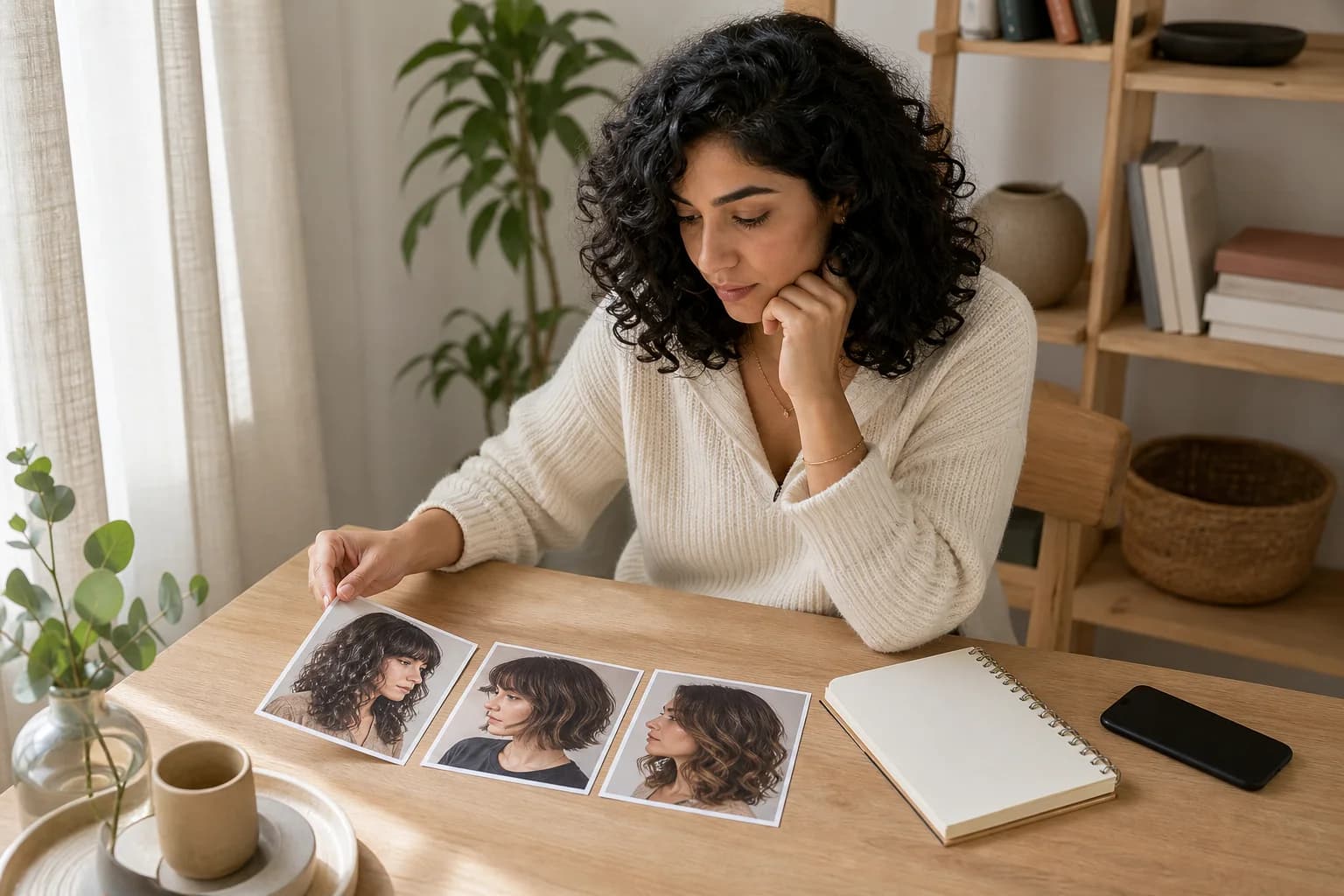
Choose a free hairstyle app by the decisions it helps you make, then turn a short visual comparison into a useful salon brief.

Compare crown lift, layer contrast, perimeter, fringe, daily styling, and grow-out before choosing either layered direction.
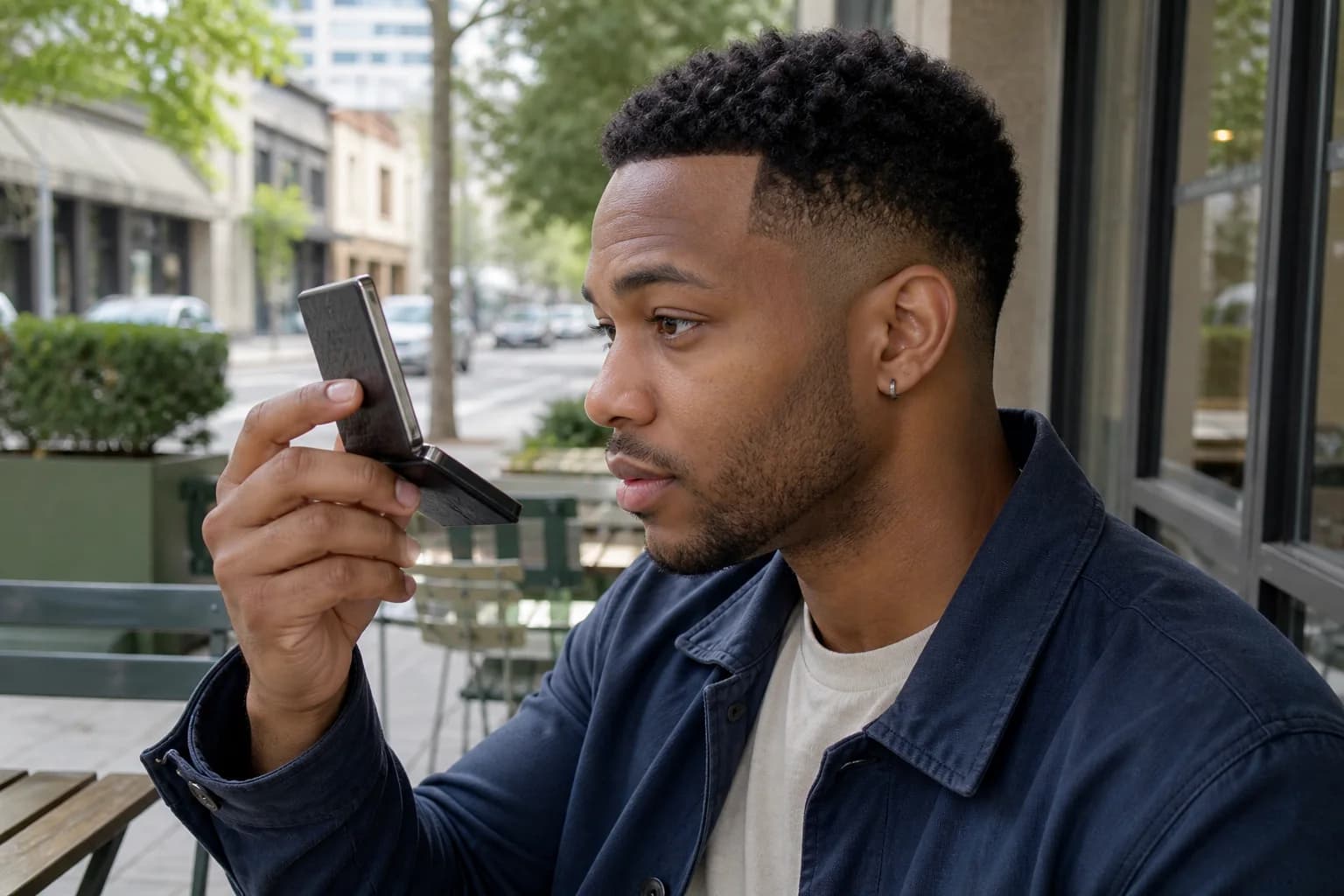
Compare fade height, top length, texture, and outline on one consistent photo, then turn the useful parts into a realistic barber brief.
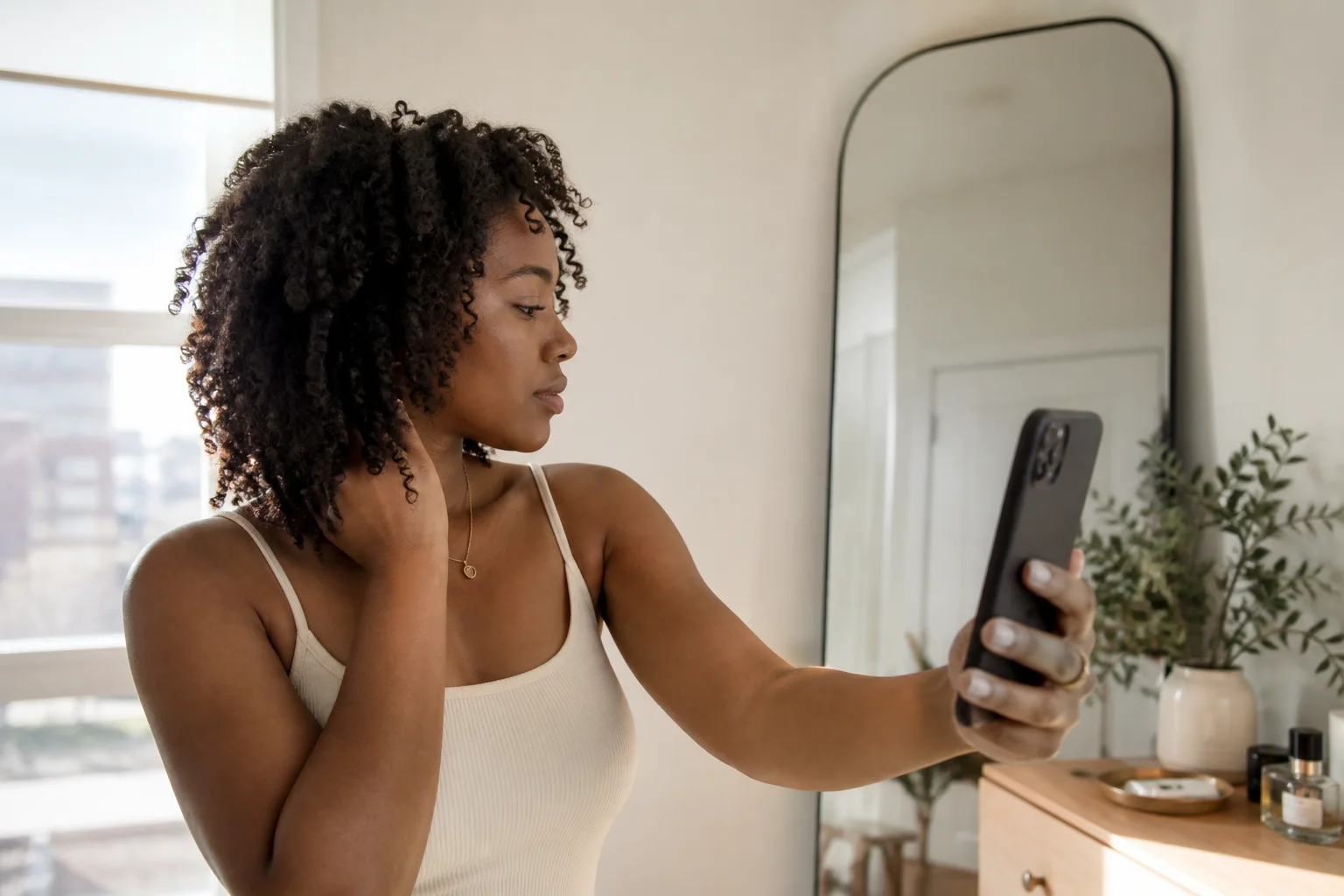
A calm, practical checklist for reading privacy details, limiting photo access, preparing a cleaner selfie, and reviewing permissions after a hairstyle test.

Compare three fringe directions on one clear portrait, test the everyday tradeoffs, and take a focused shortlist to your stylist.
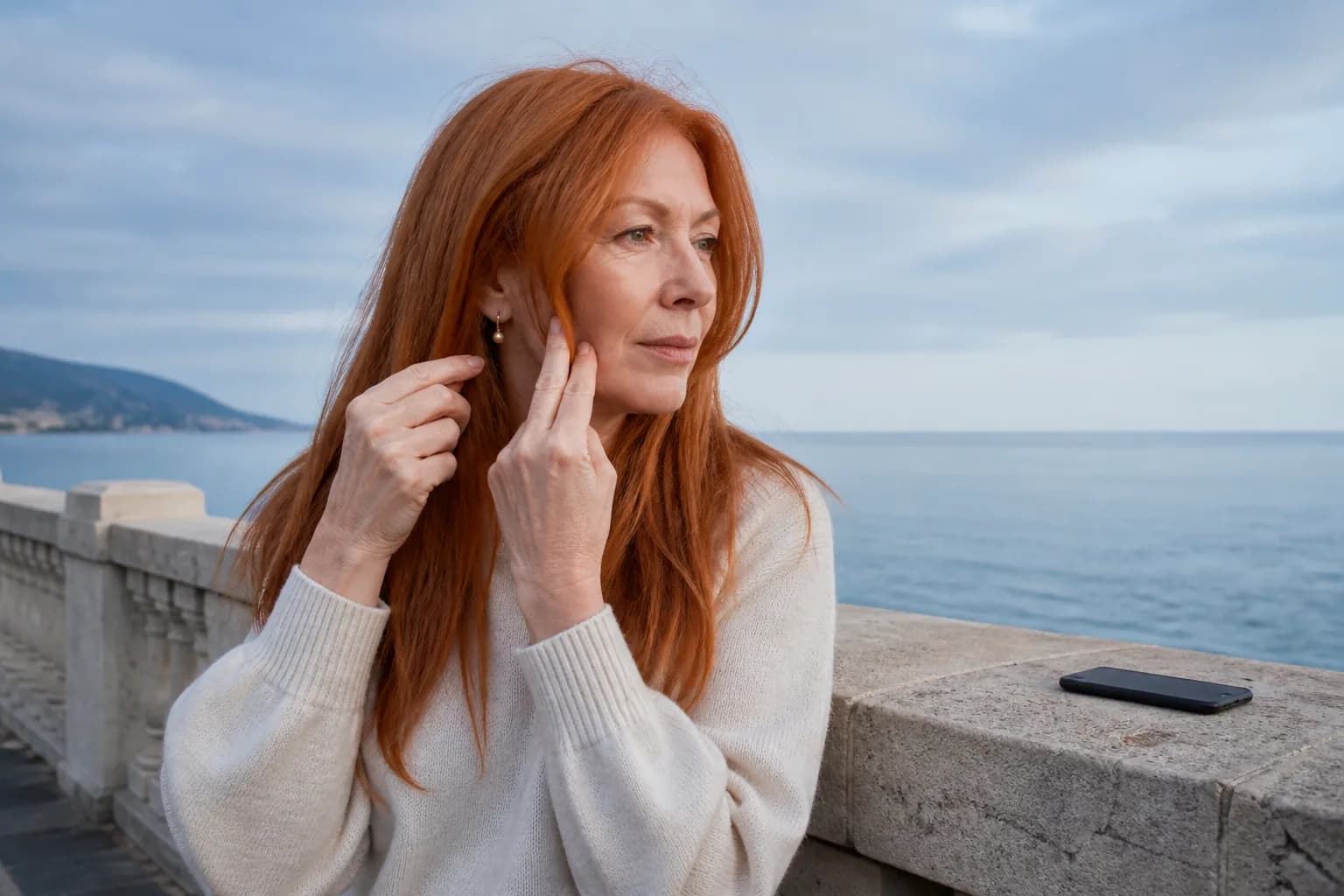
Compare cheekbone, jaw, and collarbone starting points on one clear portrait, then turn the visual preference into a practical haircut brief.
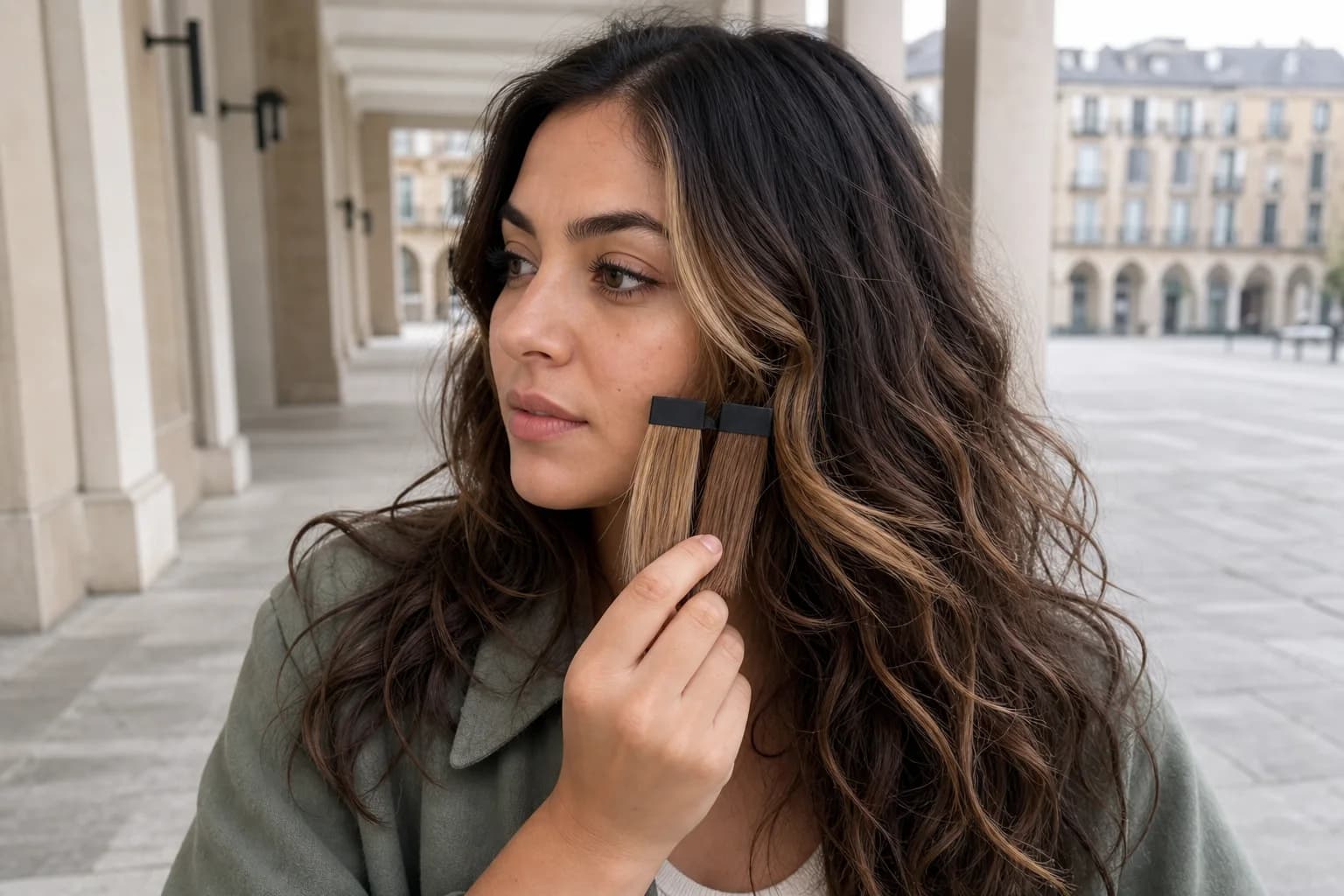
Compare where lighter or higher-contrast color begins around your face, then turn the visual preference into a realistic color consultation.
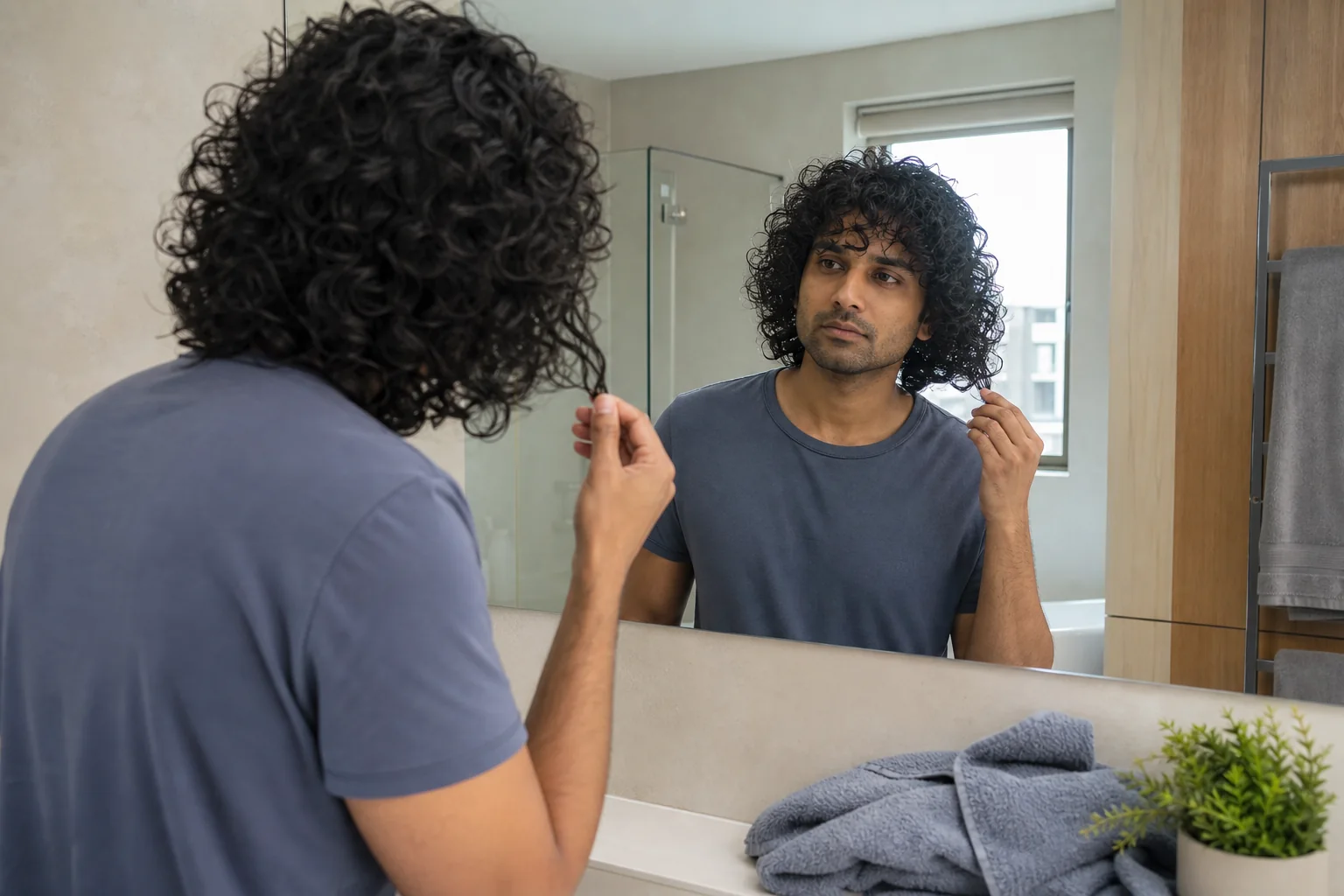
Plan from the length and shape your curls reach on an ordinary dry day—not from a wet guide line, a stretched strand, or a polished reference photo.
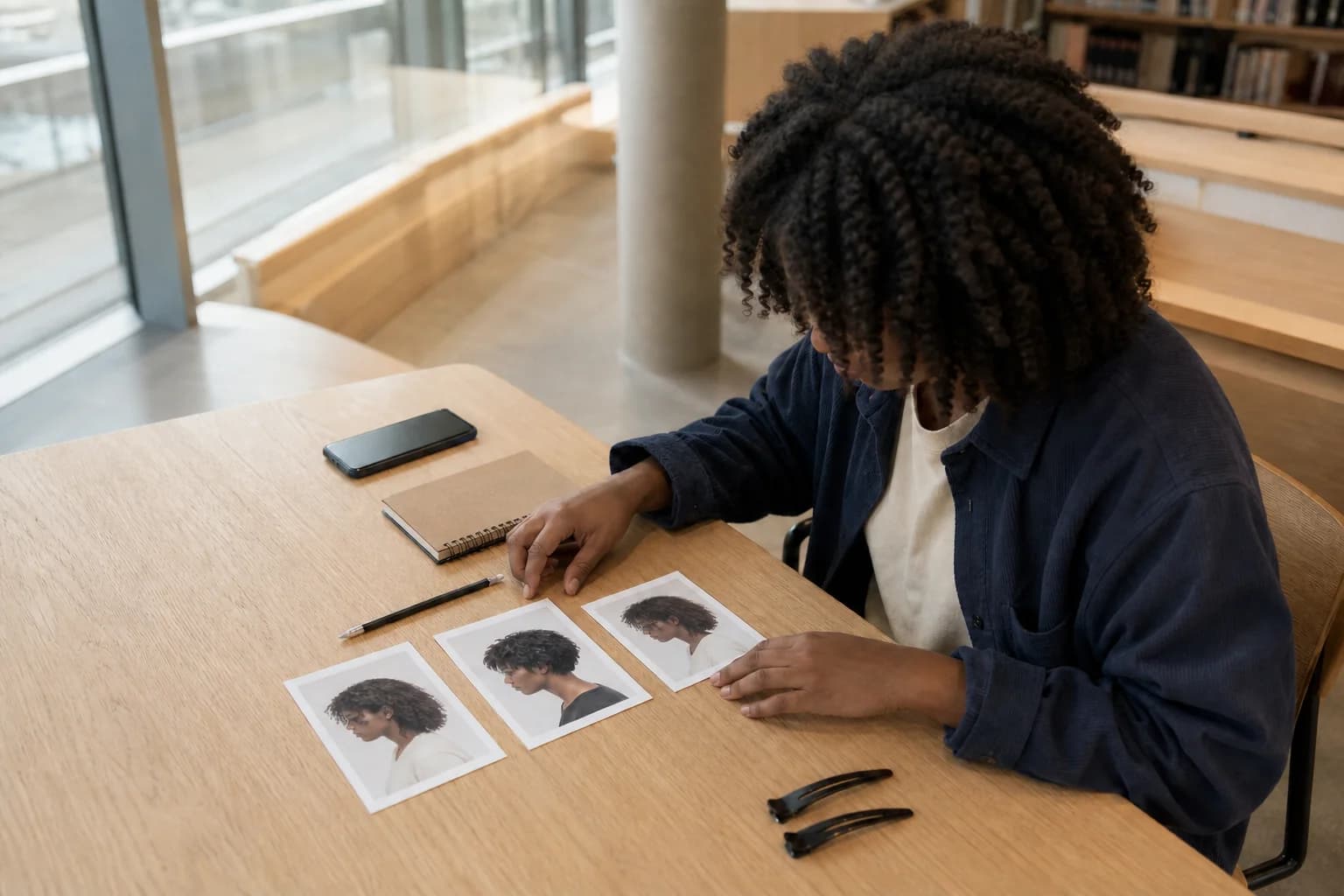
Turn a crowded camera roll into a useful decision: keep one baseline, isolate the variable, save a small shortlist, and carry the right questions into the salon.

Treat the ear tuck as part of the haircut brief: observe which side you clear, what falls forward again, and how the shape should work both tucked and loose.
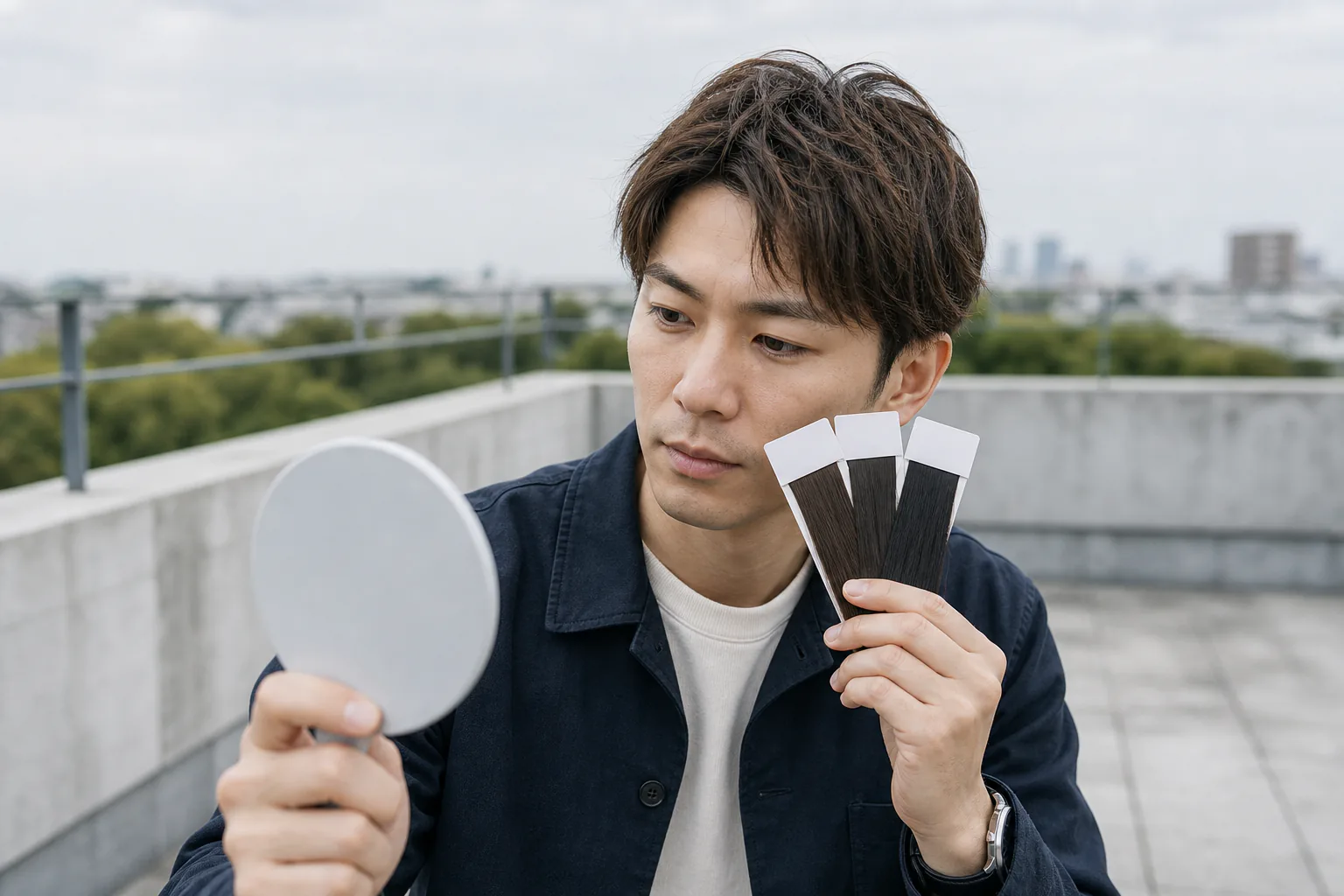
Compare soft brunette, deep espresso, and near-black directions on one clear photo, then turn the visual preference into realistic questions for a colorist.
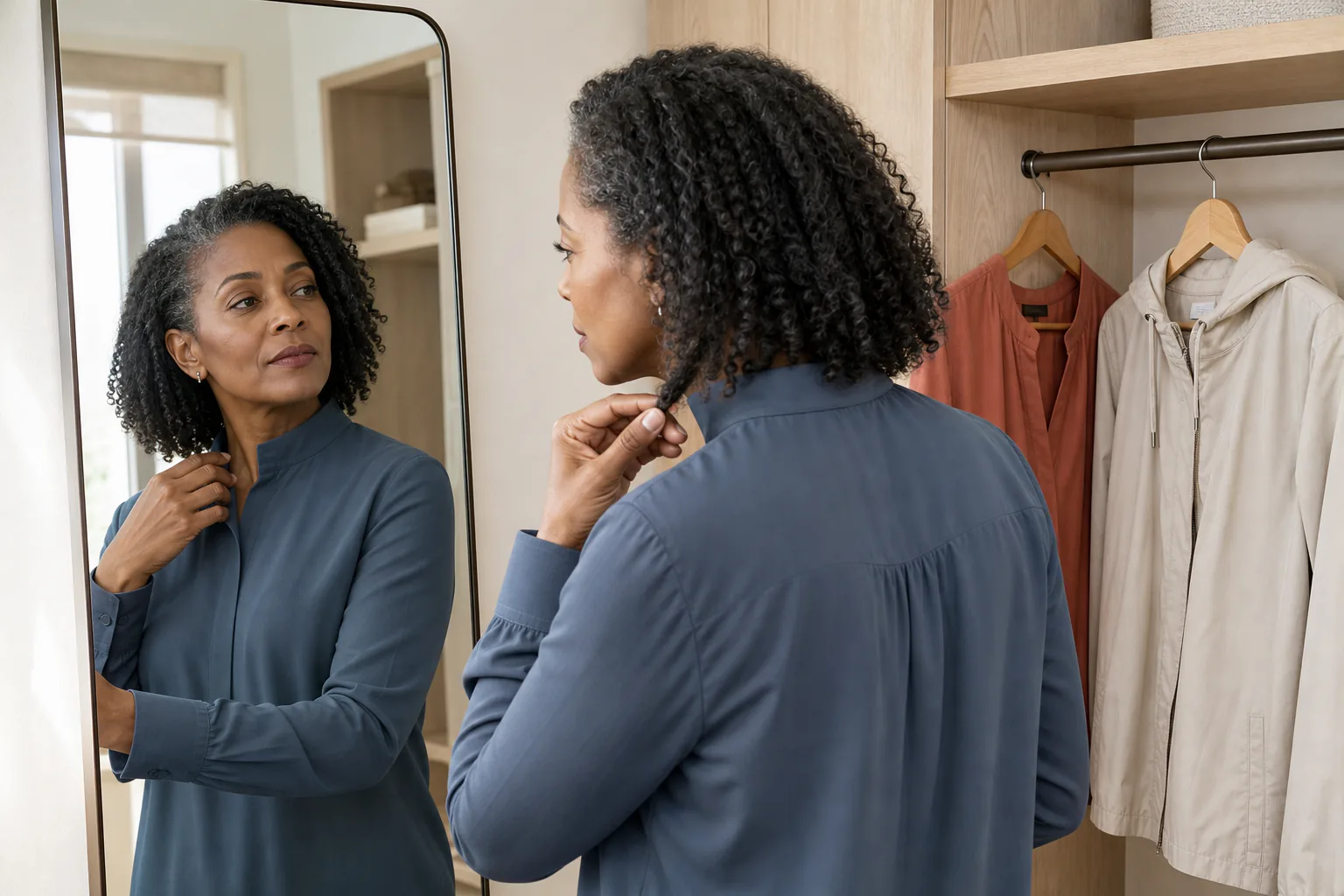
Test where your haircut meets shirts, jackets, hoods, and shoulders so the chosen length works with the clothes and movement of an ordinary week.
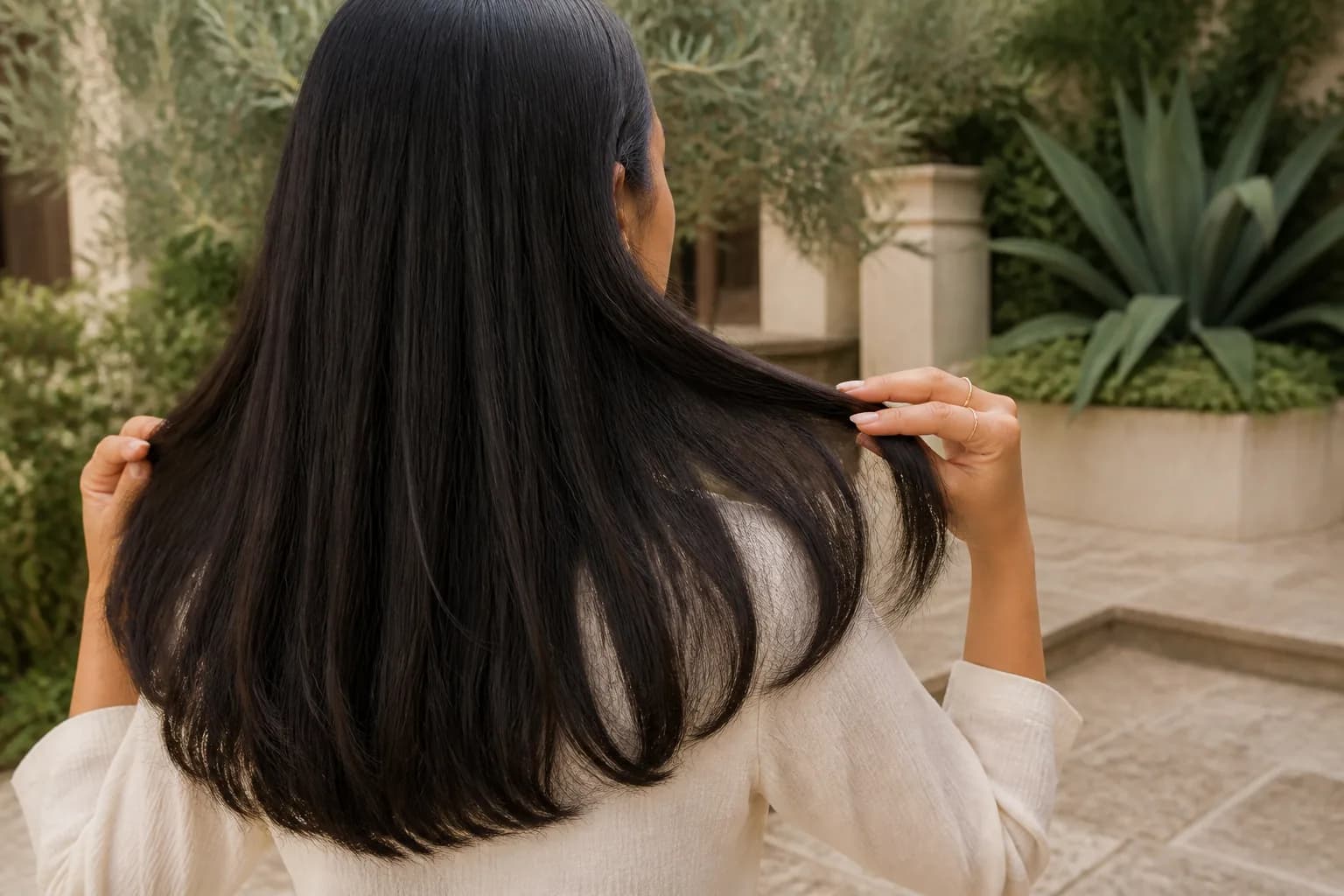
Separate the visible edge from the cutting technique, compare one controlled variable, and turn your preferred outline into a realistic salon brief.

Choose a haircut around when you wash, how long your hair really takes to dry, and what you can comfortably do before work, sleep, or the next day.
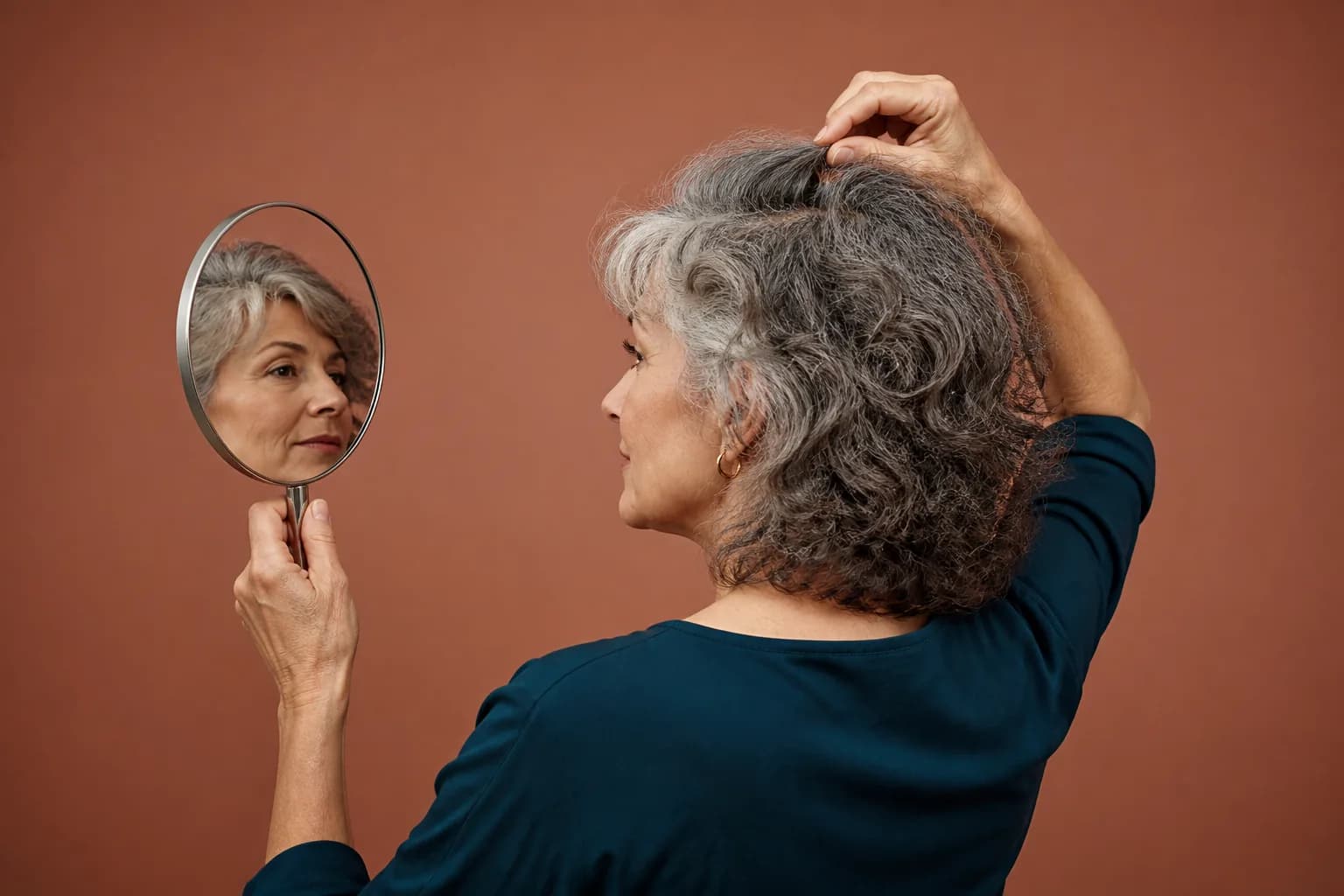
Compare whether a cut carries its visual fullness at the crown, cheeks, jaw, or ends—then turn that preference into a realistic salon conversation.
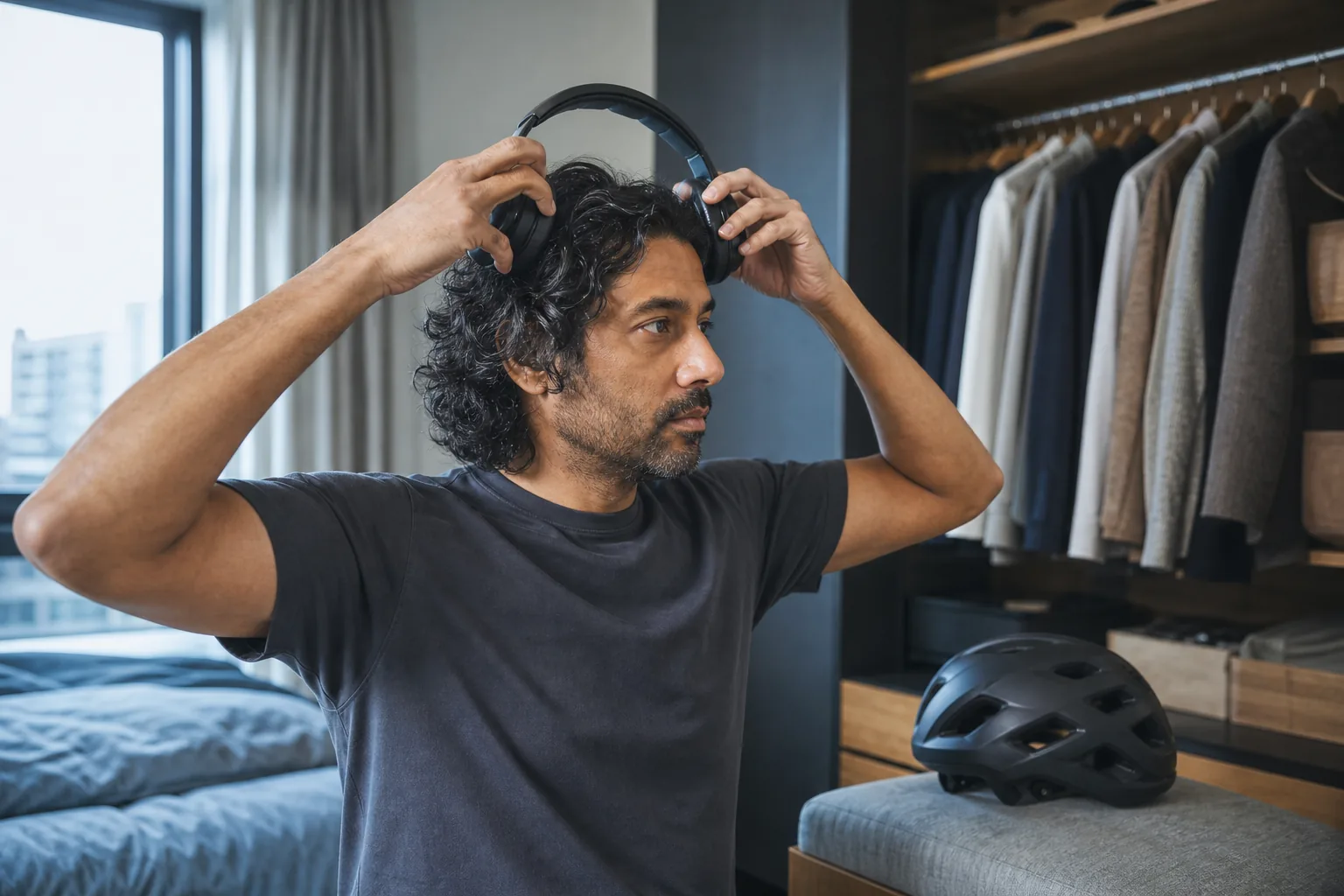
Plan length, layers, fringe, and styling around the things you actually wear on your head—and how you want your hair to look after they come off.

Compare three useful bob endpoints with one clear photo, a small Hair Muse shortlist, and practical checks for movement, styling, and salon feasibility.
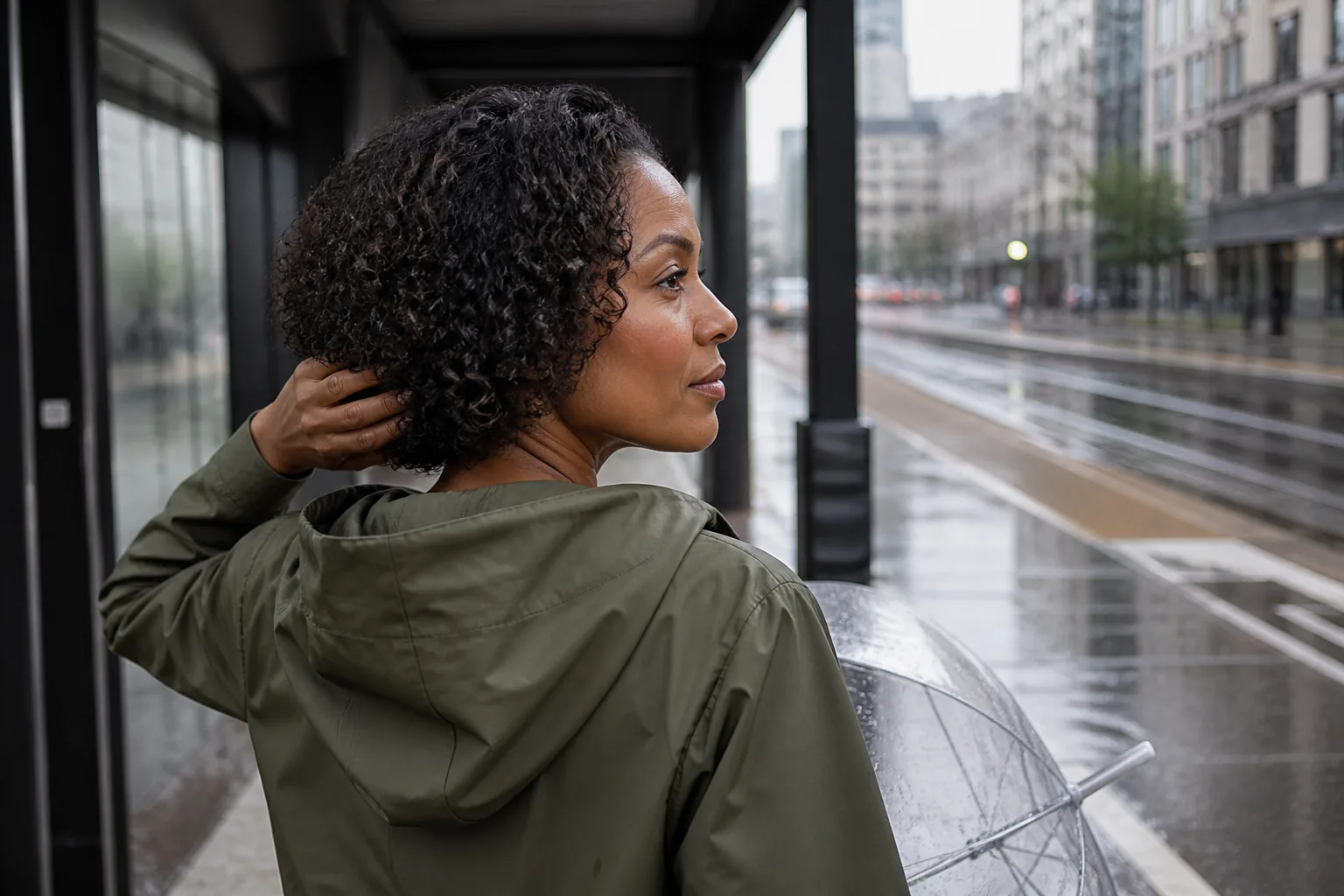
Plan around what your hair actually does on damp commutes, rainy days, and high-humidity mornings—not around a promise of weatherproof hair.
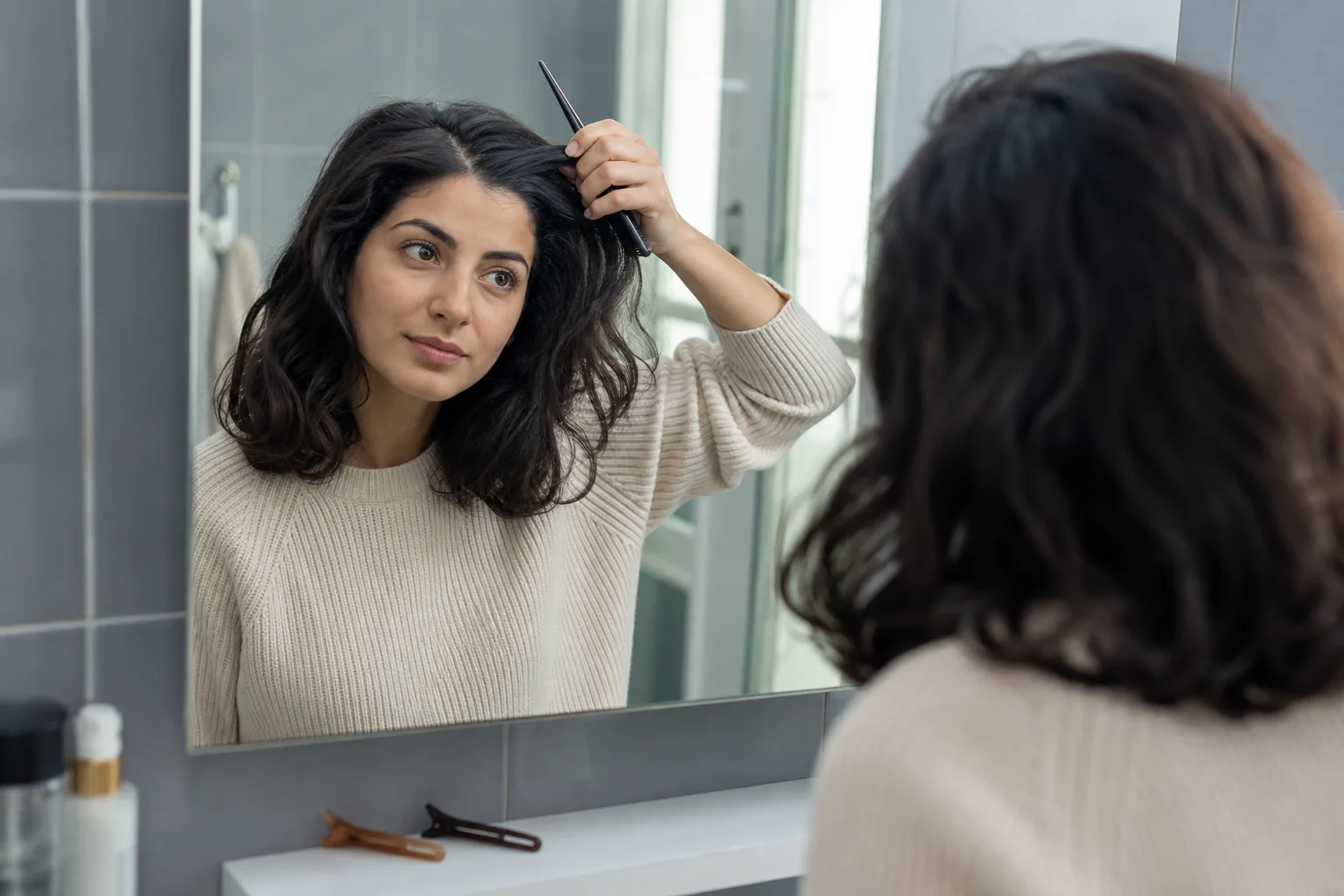
Use one clear photo, a simple wear test, and a small visual shortlist to decide how a part should work with your cut—not just with one styled image.
Choose length, layers, and fringe by testing how they fit the exercise, washing, drying, and styling you actually repeat each week.
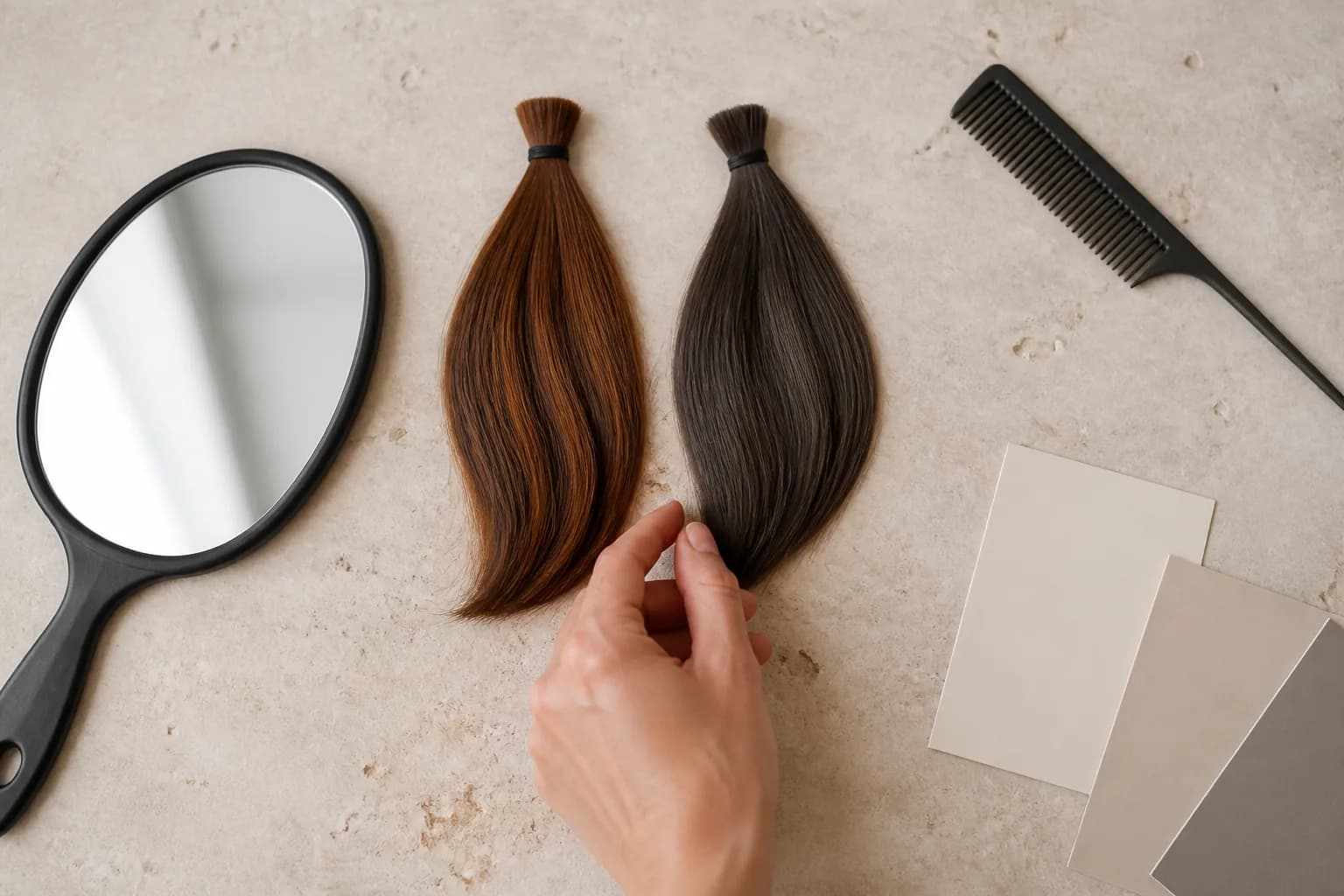
Use consistent previews, real-life references, and a focused salon brief to choose a color direction without treating an image as a formula.

Choose the better side of departure by weighing the size of the change, your travel routine, local conditions, and time to adjust.
Use one clear photo to compare meaningful length changes, narrow the options, and prepare a realistic brief before cutting long hair short.
Choose the next shape, manage the in-between lengths, and give your stylist a clear destination for the front of your haircut.
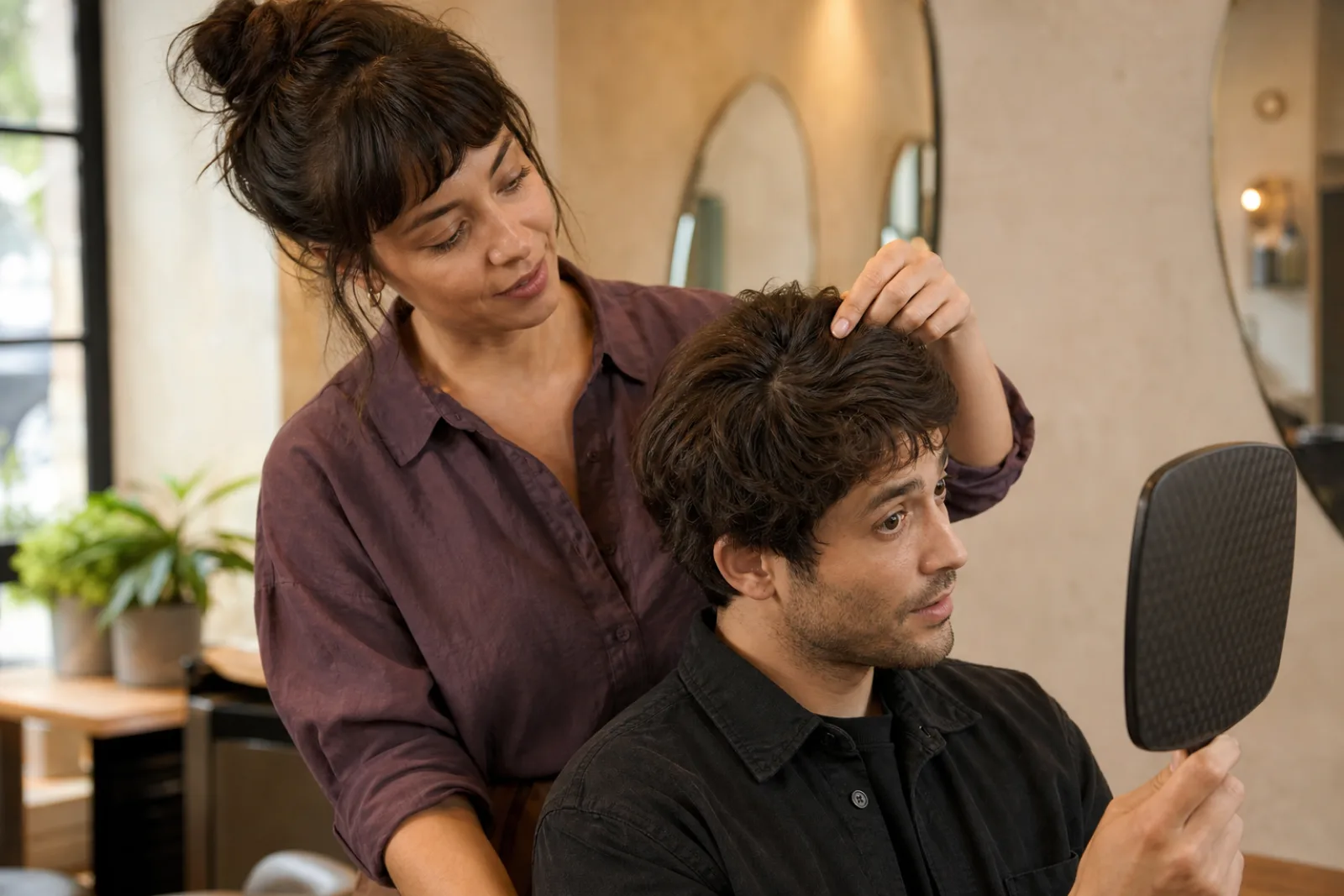
Turn the way your hair naturally lifts, splits, and changes direction into a useful salon plan.
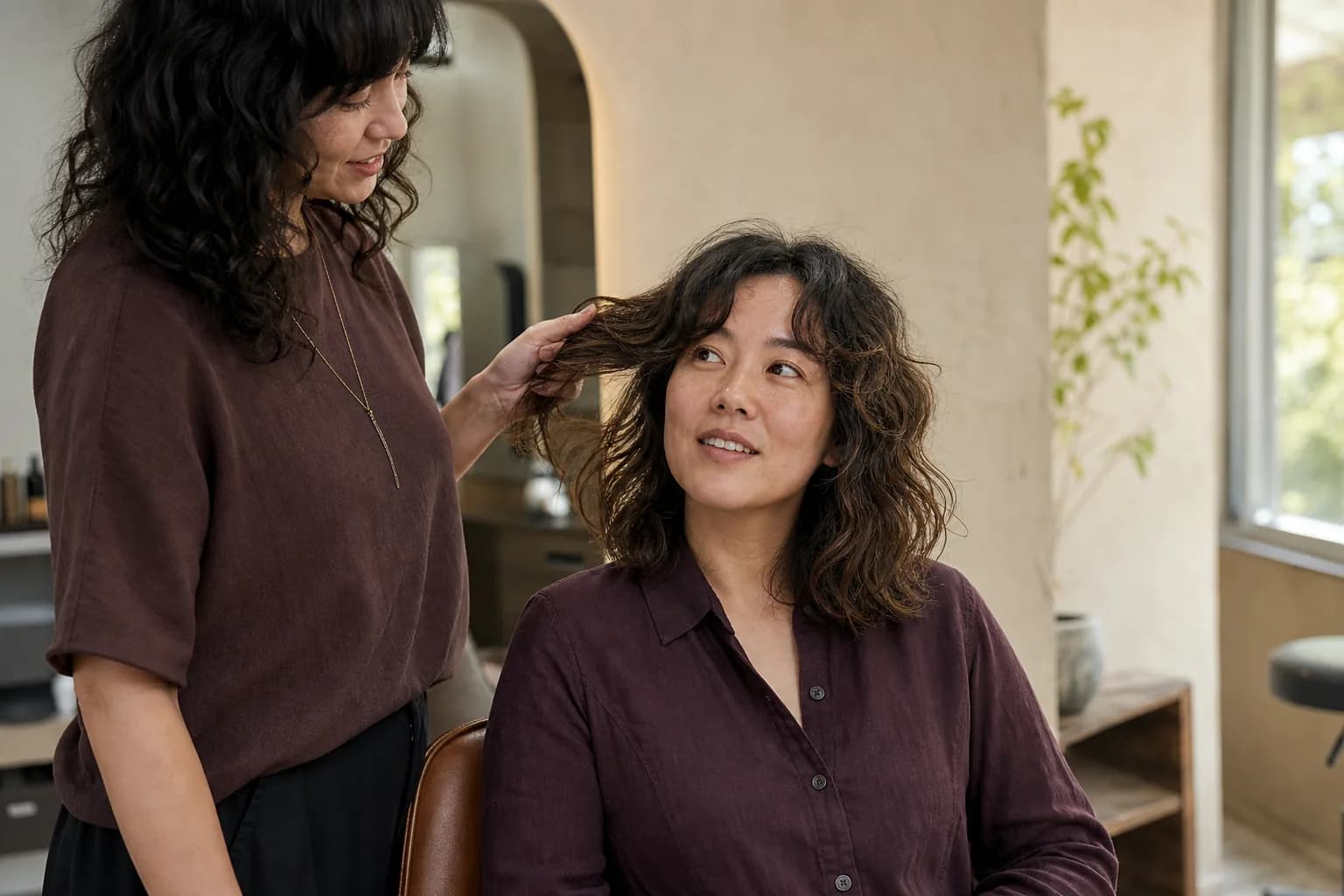
Plan the shape around your real texture, drying routine, and acceptable styling effort before the salon visit.
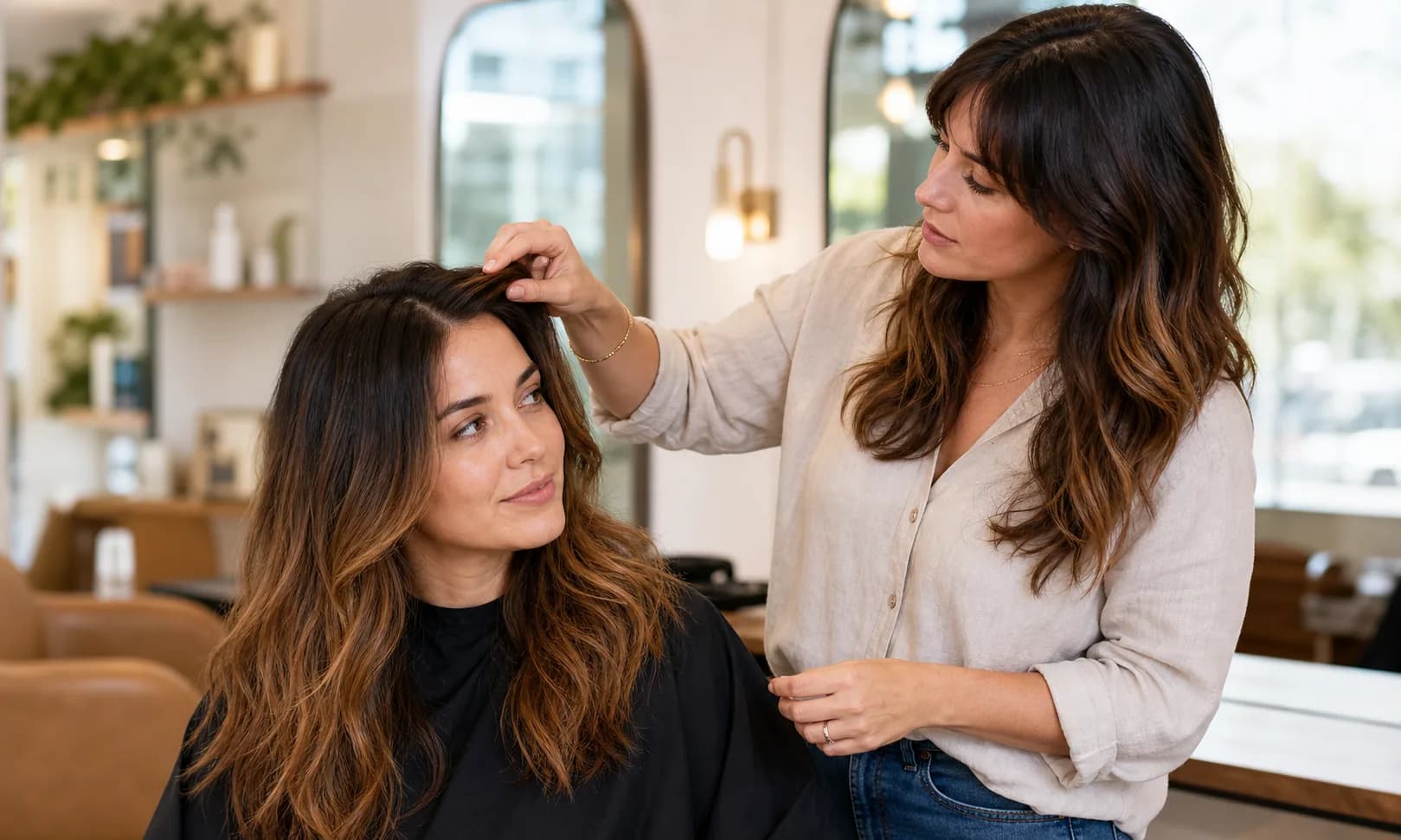
Compare root contrast, placement, and upkeep before choosing a color direction you can live with between salon visits.
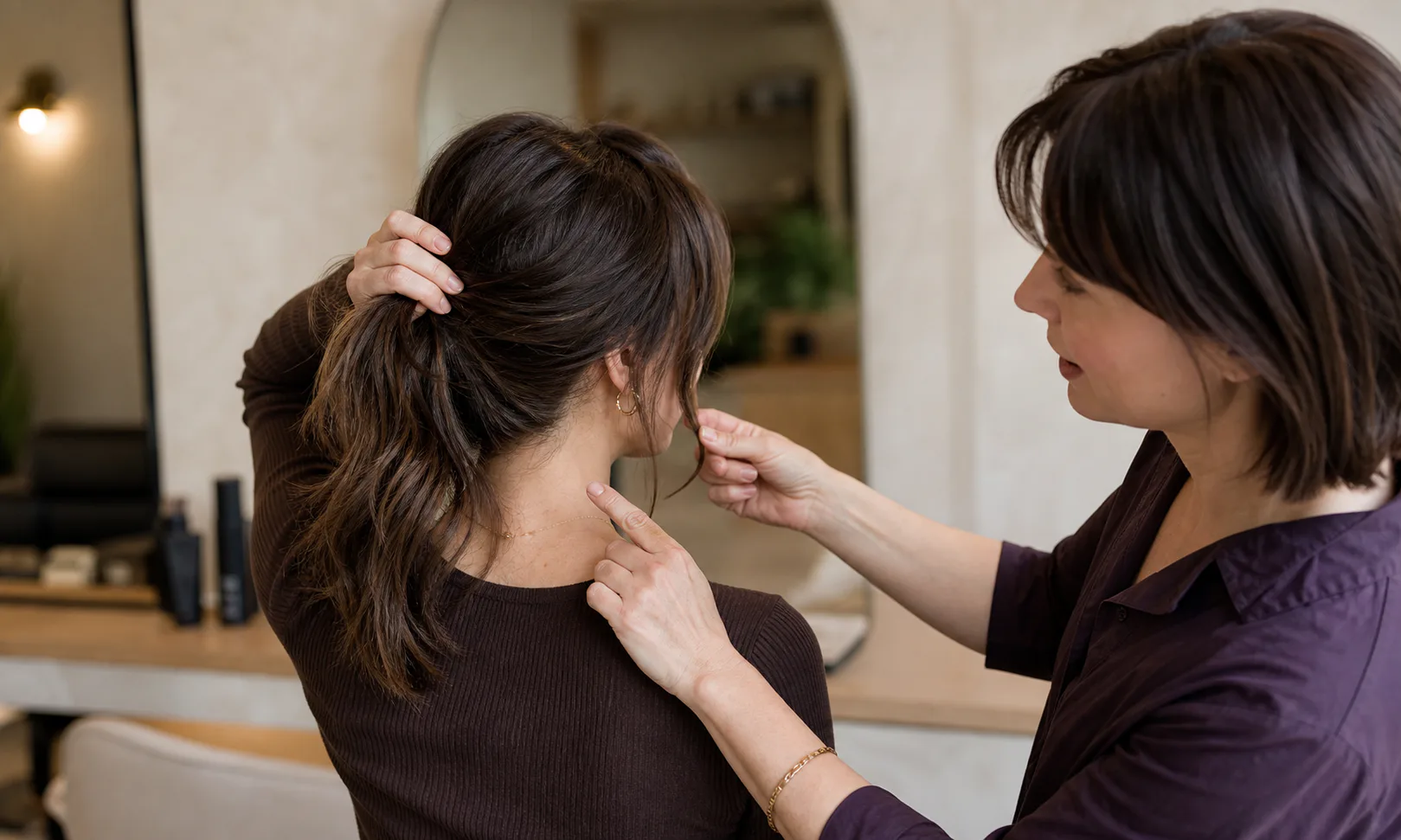
Compare the cut both loose and tied back so face-framing pieces, layers, and length still support your real routine.
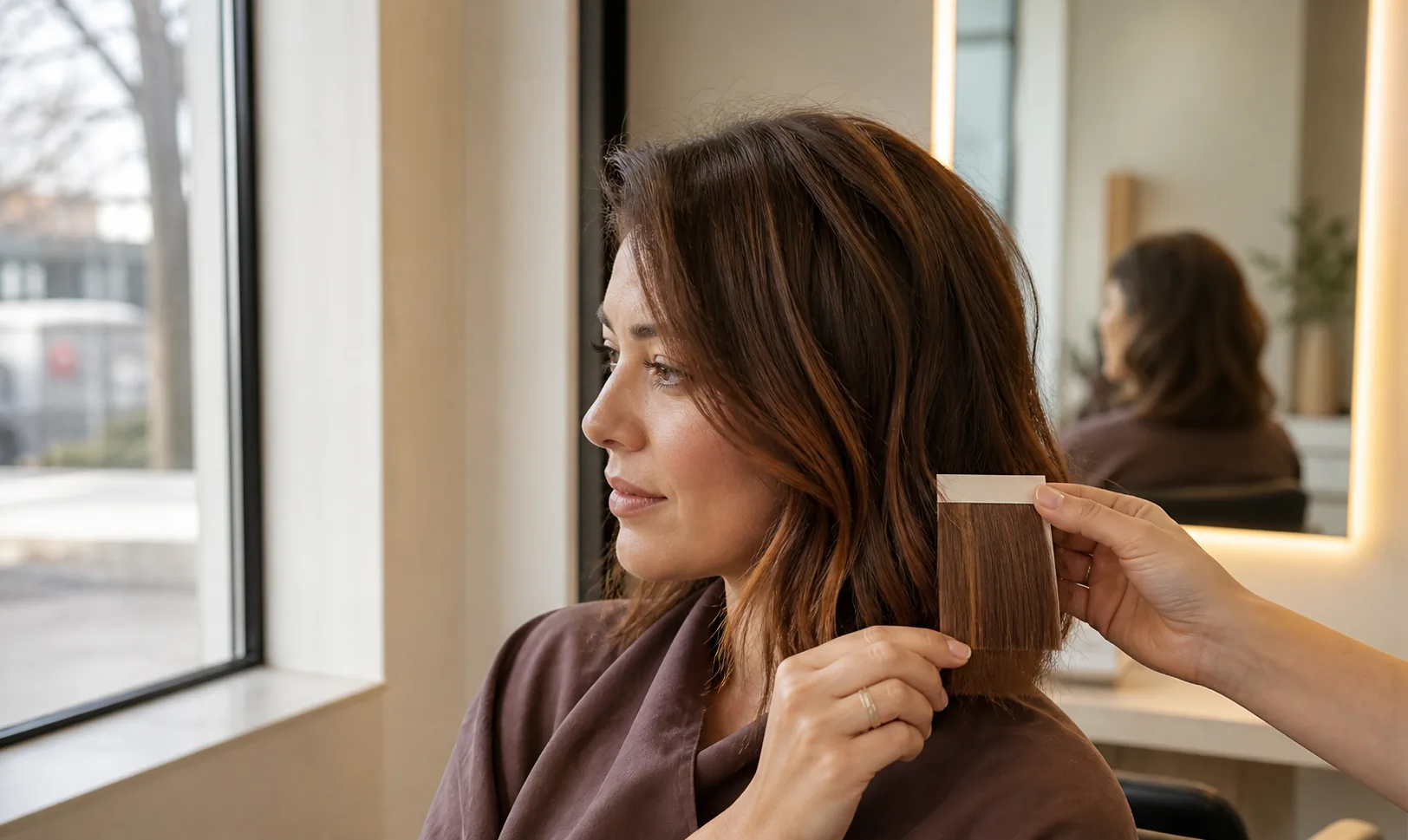
A controlled way to judge color direction across real lighting without treating one preview or photograph as a promise.
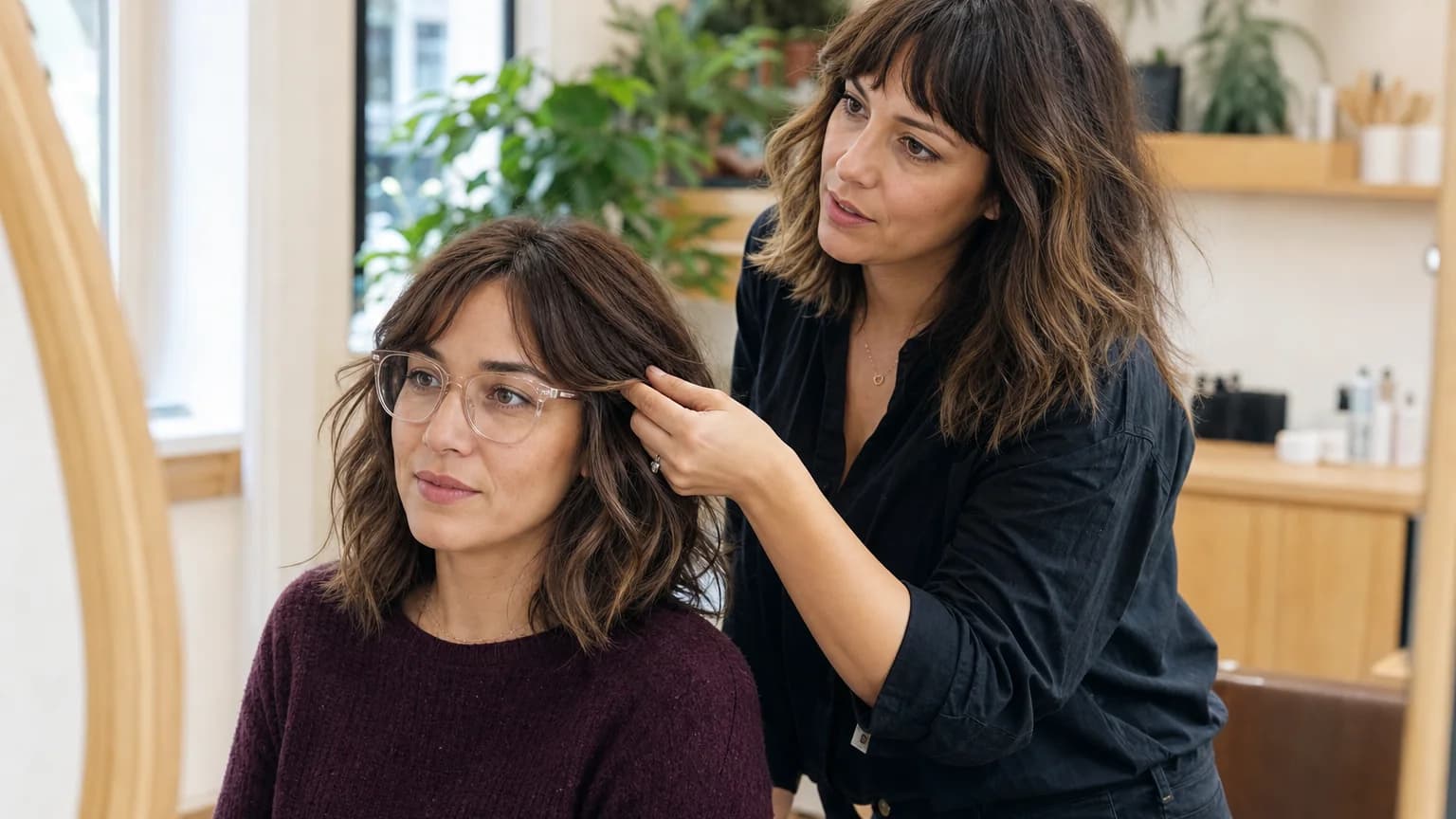
A focused way to judge fringe, face framing, temple comfort, and everyday balance when your frames are part of the look.
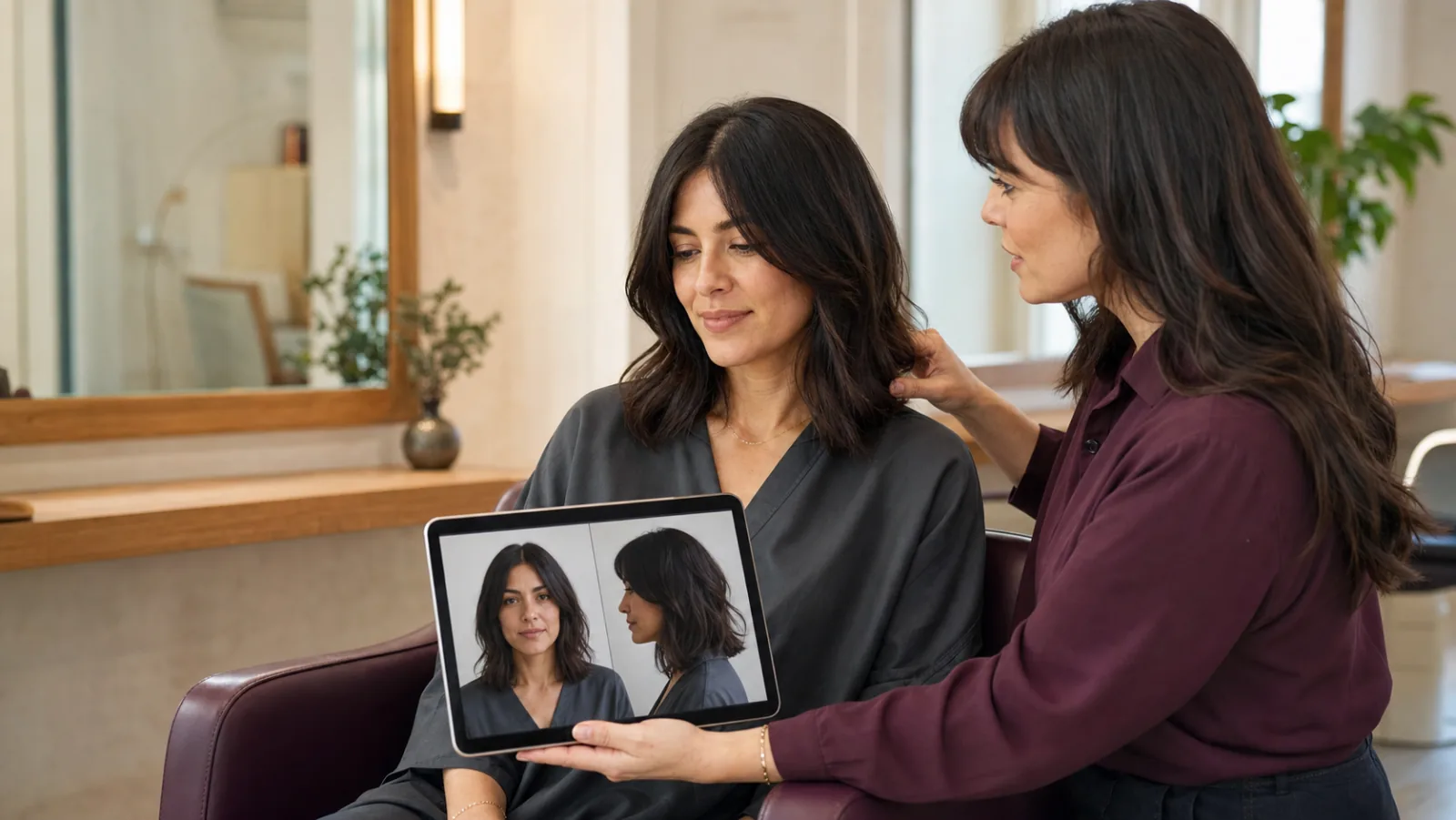
Use two consistent views to judge fringe, face framing, length, layers, and silhouette before turning a preview into a salon brief.

A practical way to judge daily styling, grow-out, salon upkeep, and fallback options before choosing a new shape.
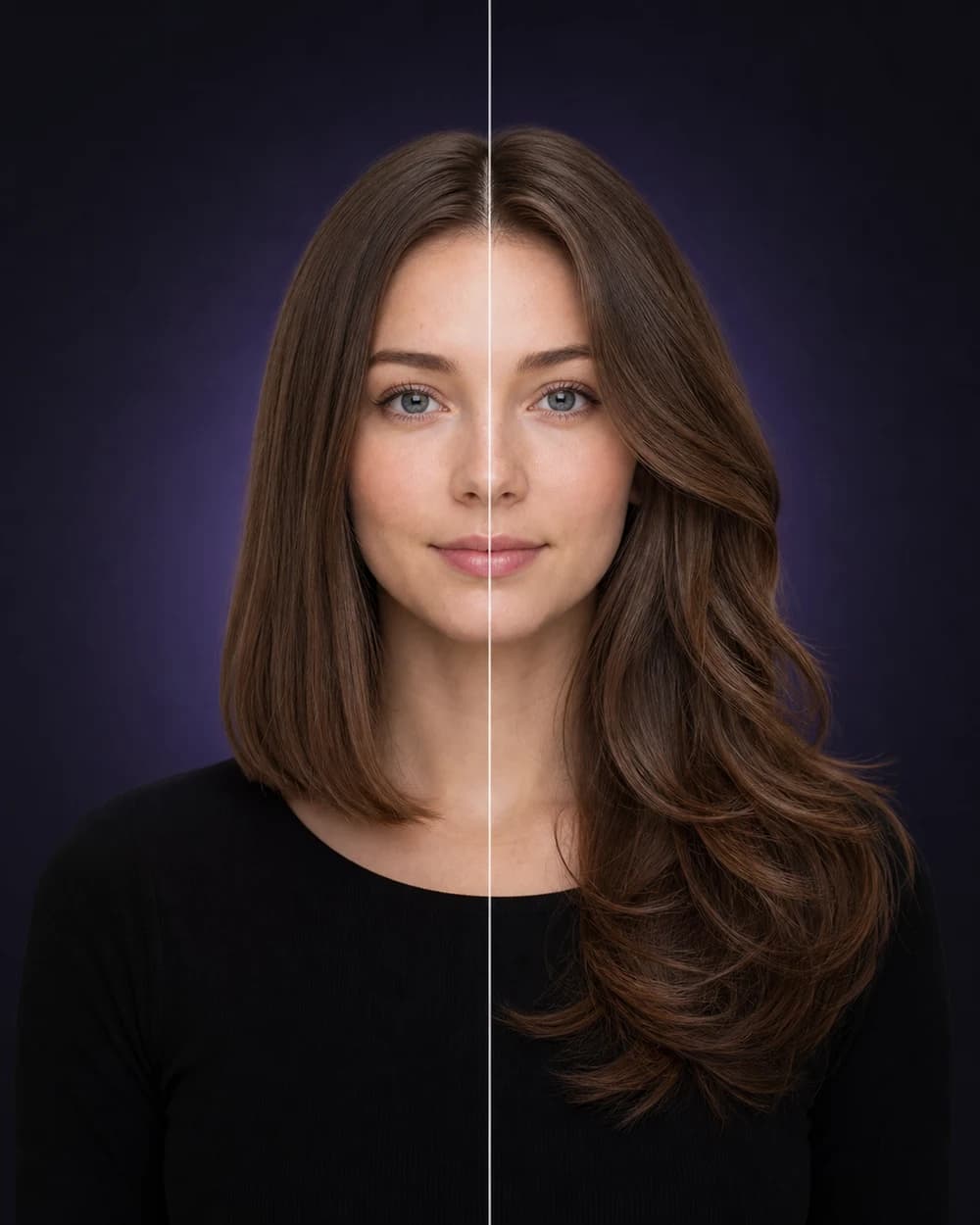
A clear explanation of how virtual hair previews work, where they help, and where real-world judgment still matters.
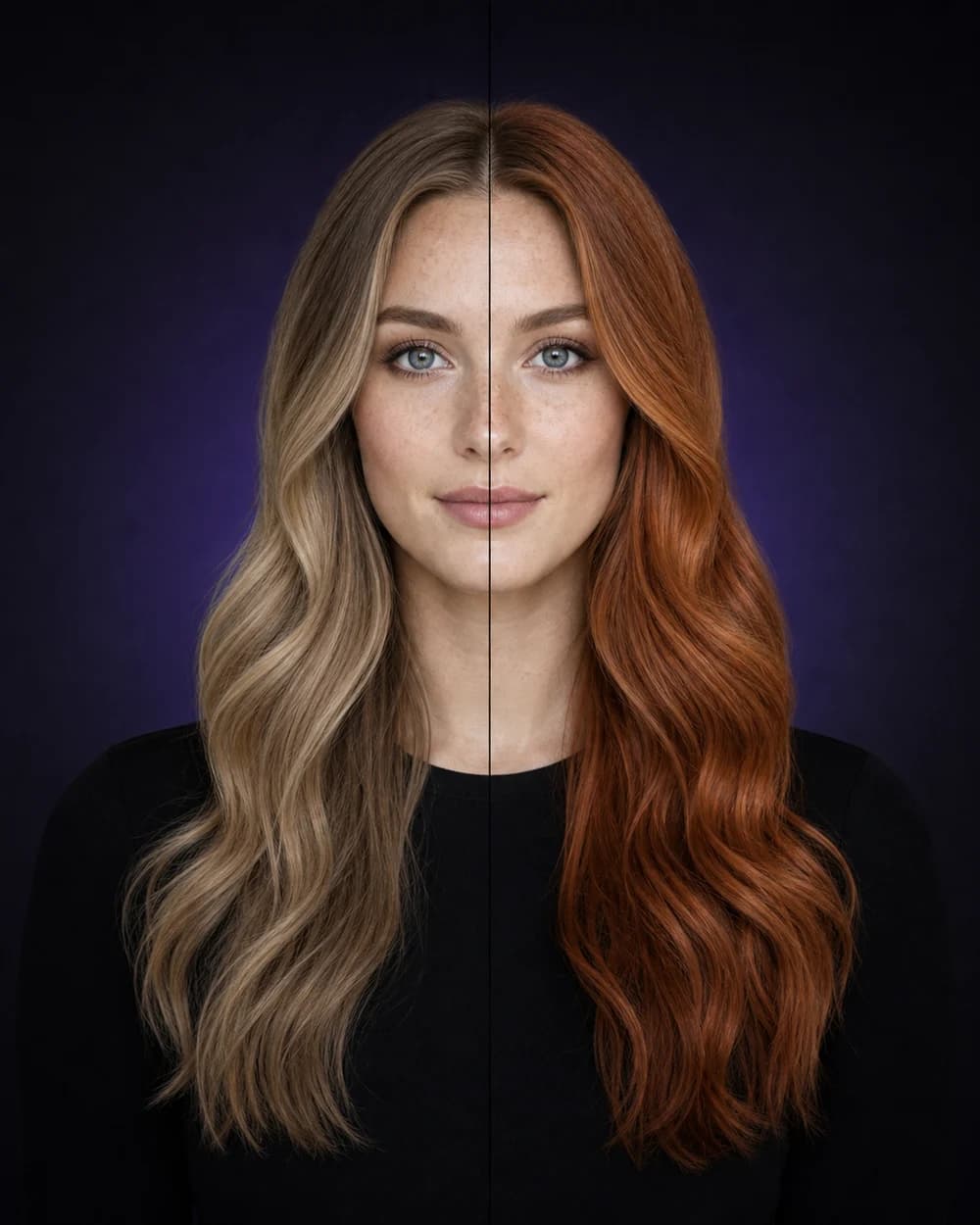
Compare shade families, undertone, maintenance, and feasibility before asking a colorist for a formula.
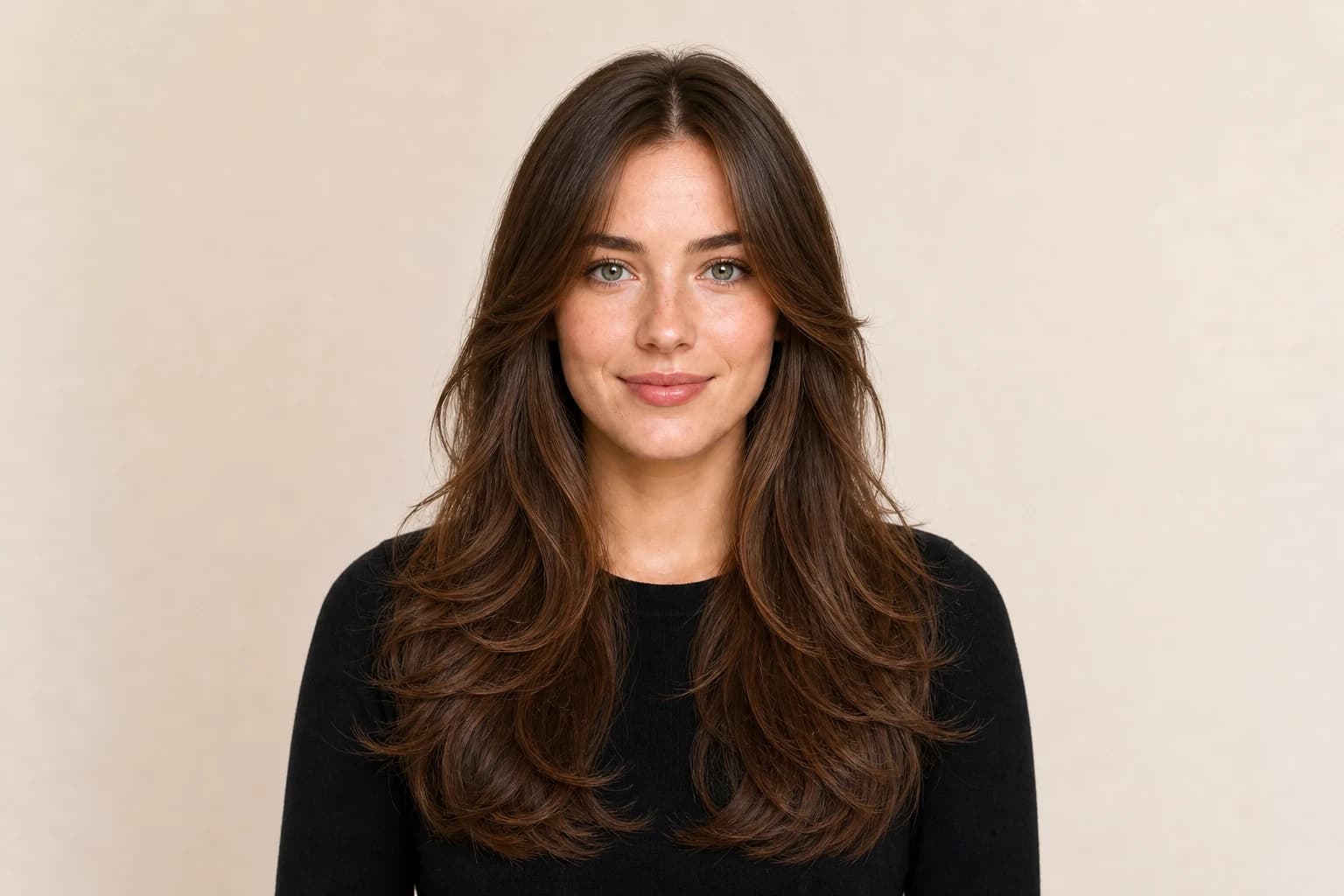
Break a haircut into clear decisions so you can compare meaningful options instead of collecting more inspiration photos.
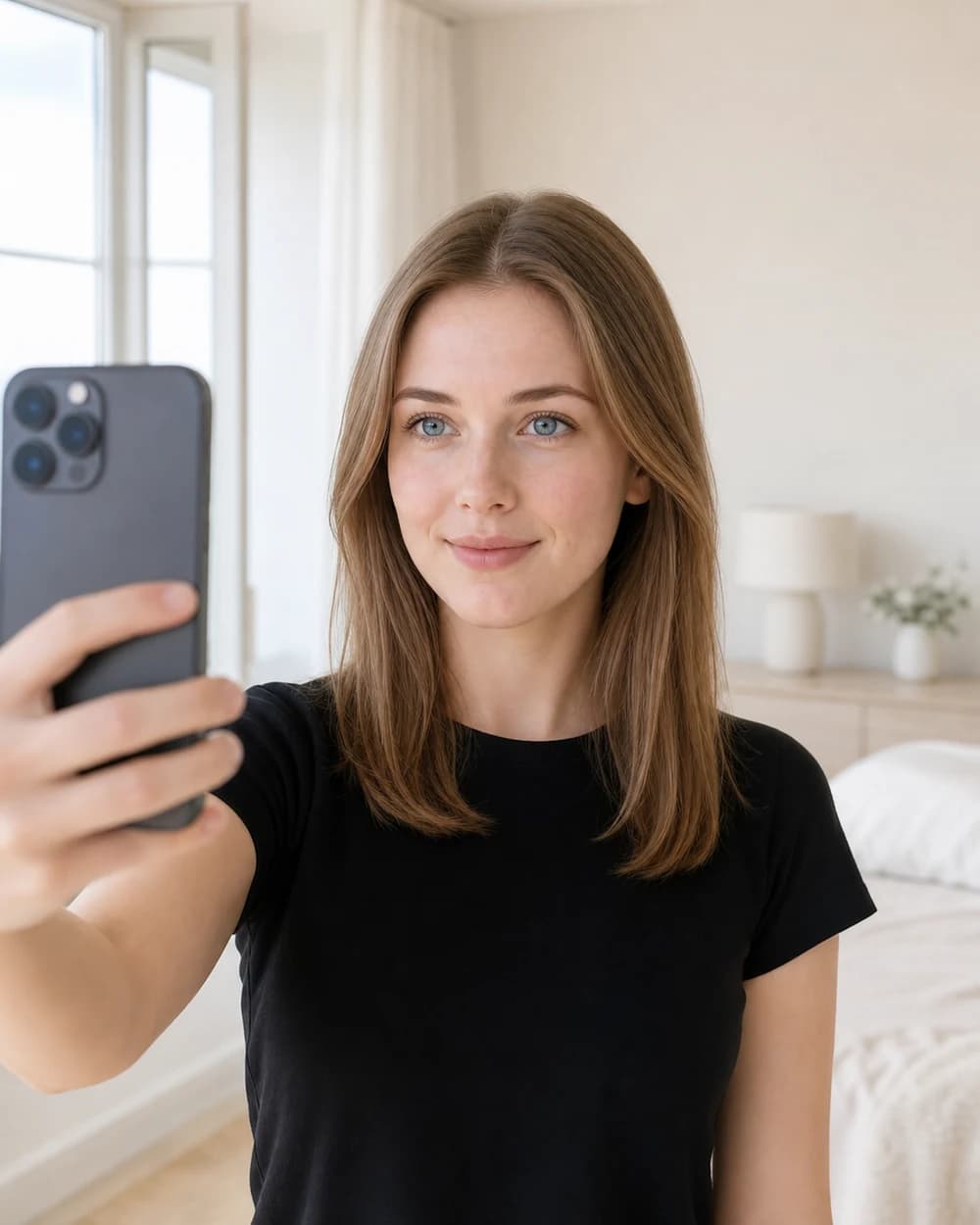
A practical selfie checklist for clearer, more useful hair and color previews.
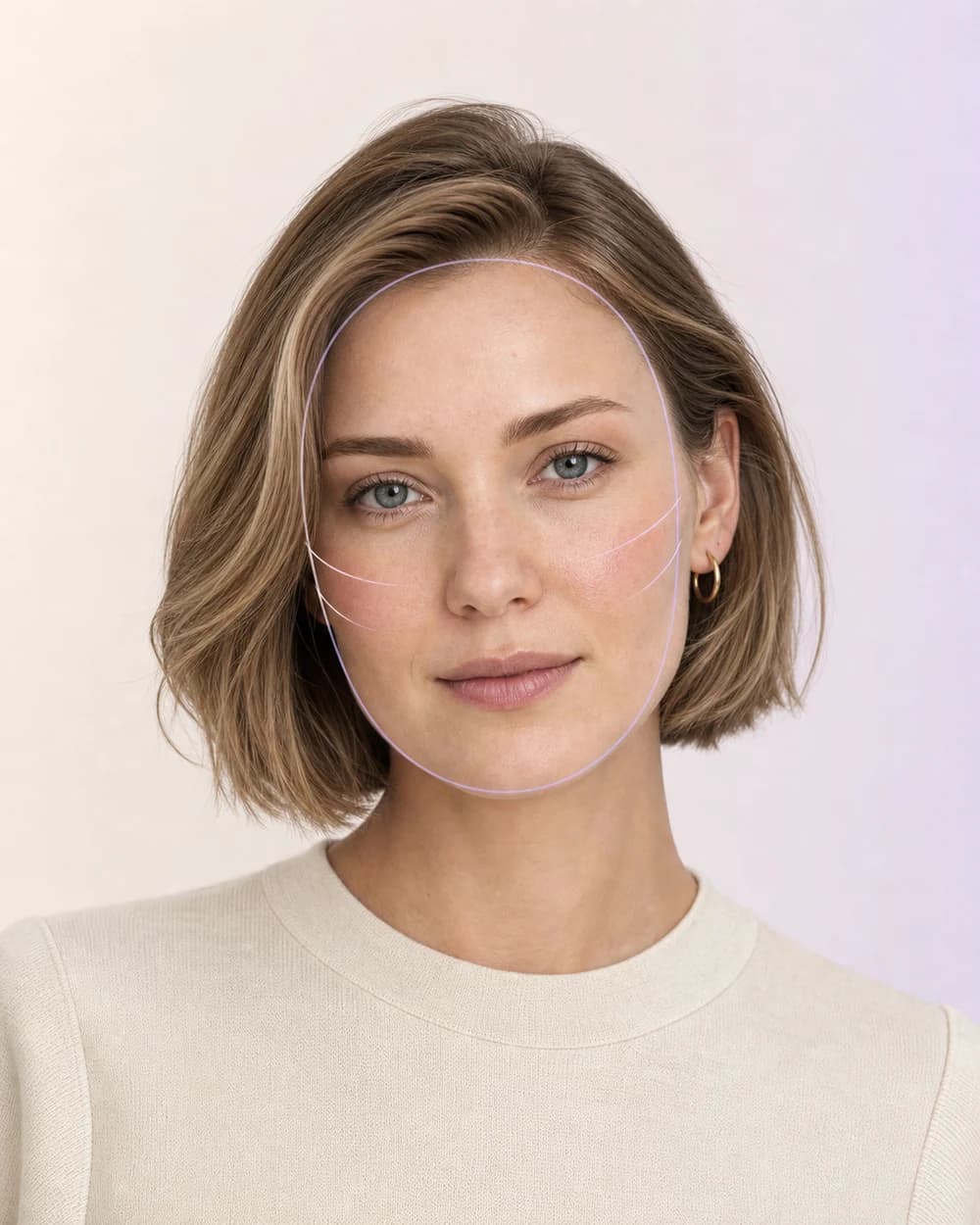
Use shape, balance, texture, and maintenance as useful signals while keeping personal style in charge.
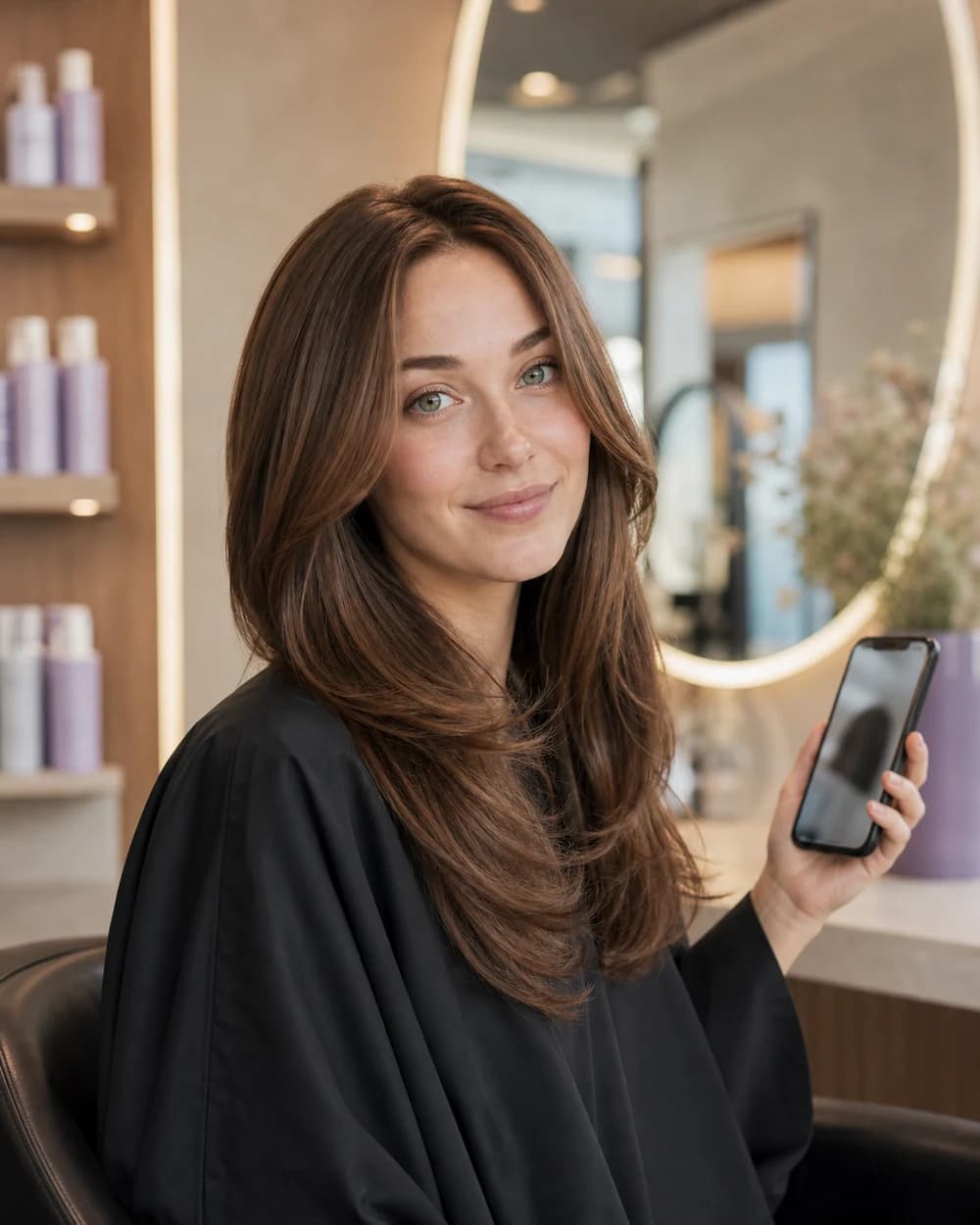
Turn an inspiring image into a clear, realistic conversation about cut, color, upkeep, and feasibility.
A better way to explore a change
The Hair Muse blog brings together practical articles about hairstyle previews, haircut decisions, hair-color direction, source photos, and salon preparation. The aim is not to choose a look for you. It is to help you compare ideas more clearly and arrive at the next step with better questions.
An AI hairstyle preview can make an unfamiliar direction easier to picture on your own portrait. You can compare broad changes such as a shorter perimeter, fringe, face-framing layers, more or less volume, a different texture direction, or a new hair-color family before deciding which idea deserves more attention.
The image is most useful as a visual planning tool. It can help you notice preferences and organize references, but it cannot assess density, porosity, condition, growth patterns, chemical history, or whether a service is technically appropriate for your hair.
Use a front-facing portrait in soft, even light with the full head and hairline visible. A simple background, sharp focus, and a neutral camera angle give you a cleaner starting point than a filtered or dramatically lit photo.
Keep the same source photo while comparing options. When pose, crop, lighting, and expression stay consistent, the hairstyle or color direction becomes the main variable and the differences are easier to evaluate.
Start with the decision that matters most: length, fringe, layers, silhouette, texture, volume, or color. Save a small number of finalists and describe the specific element you like in each one instead of relying on an overall impression.
Include at least one familiar option and one lower-maintenance alternative. A useful comparison considers not only the finished image, but also styling time, salon frequency, grow-out, budget, and how the look may behave on an ordinary day.
Bring the original portrait, one or two selected previews, and a short note about the details that matter most. Ask how the idea should be adapted for your real texture, density, current length, condition, service history, routine, and maintenance expectations.
A professional may preserve the purpose of the reference while changing the cutting approach, color placement, formula, finish, or appointment plan. That adaptation is part of a good consultation, not a failure to copy the generated image literally.
Our articles are written as educational planning resources. They avoid guarantees, rigid face-shape rules, invented results, and claims that a photograph can replace an in-person technical assessment. When a topic involves feasibility, hair condition, or service safety, the guide helps you identify questions for an appropriately qualified professional.
Browse the latest articles above to build a clearer reference set, understand the tradeoffs behind a look, and prepare for a more productive salon conversation.