
Salon planning
Wash hair before a haircut: should you?
The useful answer depends on whether the cut is wet or dry, whether shampoo is included, and how your hair needs to be assessed before it is changed.
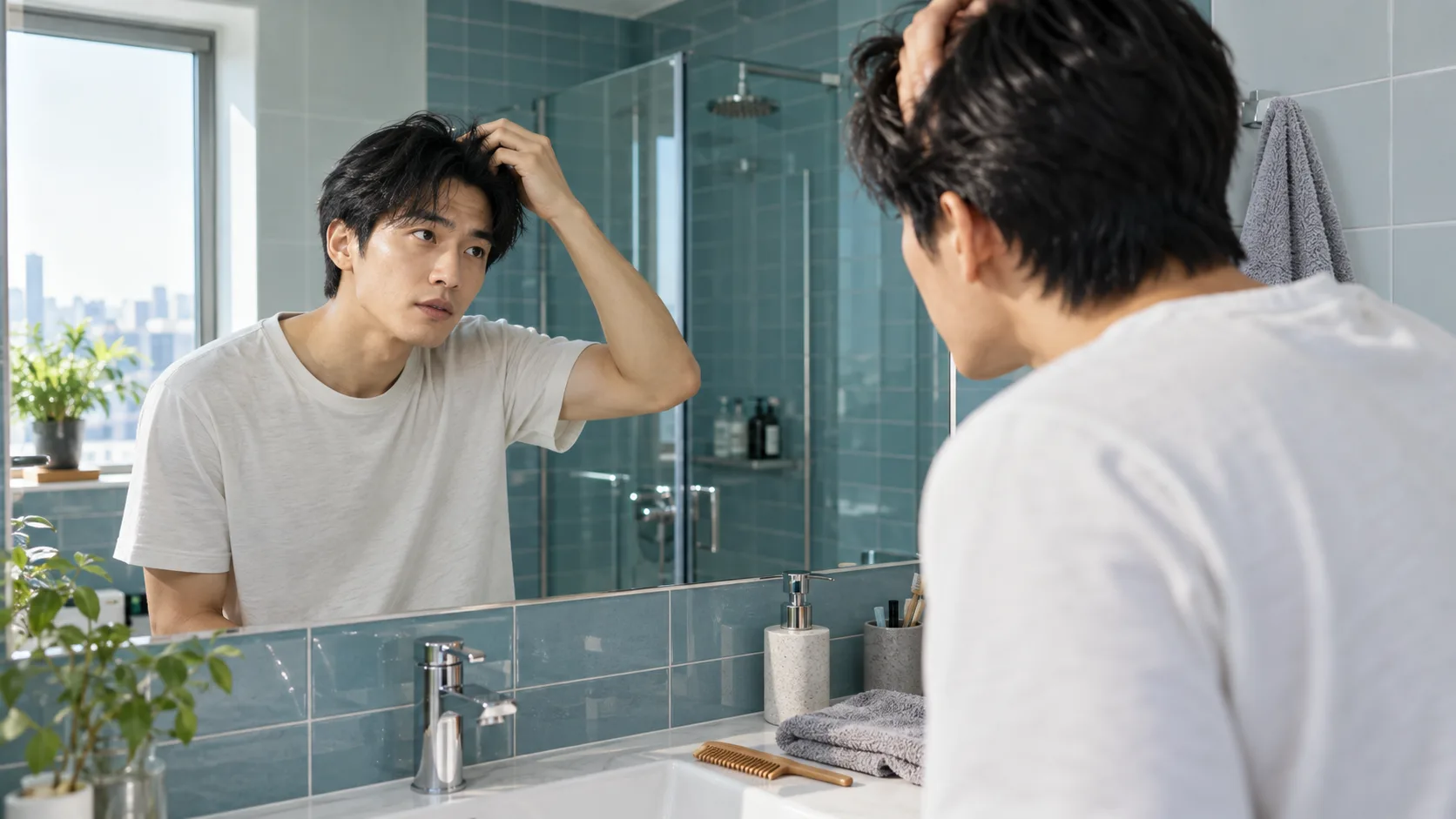
Should you wash hair before a haircut? For an ordinary salon cut, arriving with reasonably clean, dry hair is a dependable default—but it is not a universal rule. A stylist may shampoo you before a wet cut, ask to see curls fully dry and naturally arranged, or give different instructions when color, bleaching, extensions, scalp care or an event style is booked at the same appointment. The service matters more than a rigid rule about freshly washed or second-day hair.
The practical aim is to let the professional see your real growth pattern, density, texture and daily shape without a heavy layer of oil or styling product. You do not need to wash twice in one morning simply to be polite. Confirm what is included, follow the salon’s instructions, and arrive in a state that makes the consultation useful. This guide explains how to decide without guessing and what to do when the appointment combines several services.
Wash hair before a haircut: the short answer
If the booking is a standard wet cut with shampoo included, wash according to your normal routine and let the salon cleanse it. If no shampoo is included, or the stylist plans to cut dry, arrive with clean, fully dry hair and little or no product. When your salon has sent preparation notes, those take priority because they know the exact technique, timing and products in your booking.
Clean does not have to mean washed minutes before you leave. Hair washed the previous day may show its ordinary movement more honestly than hair that is still damp, stretched by a tight ponytail or coated with a fresh styling routine. The less certain you are, the more useful one short message becomes: ask whether the cut is wet or dry, whether shampoo is included, and how they want your hair worn on arrival.
Best default: clean enough to show the hair clearly, fully dry unless told otherwise, and free from heavy oils, dry shampoo or strong-hold products.
Start with the service, not salon etiquette
A wet cut often begins at the shampoo basin because damp hair can be sectioned and tensioned consistently. In that case, washing at home immediately before the visit may only repeat a step. A dry cut asks a different question: how does the hair fall when it is dry? The stylist may need the natural part, curl groups, cowlicks and perimeter visible before any water changes them. Clipper cuts without a shampoo also benefit from hair that is clean, dry and not sticky with wax.
Check the booking description rather than assuming every haircut includes the same sequence. Budget, express, mobile and barber services may not include shampoo; longer salon appointments often do. If you are combining a cut with color, smoothing, extensions or another chemical service, do not borrow advice from a haircut-only article. Ask for the preparation instructions for the complete booking, because one service can change what is appropriate for the next.
Why heavy product buildup can hide useful information
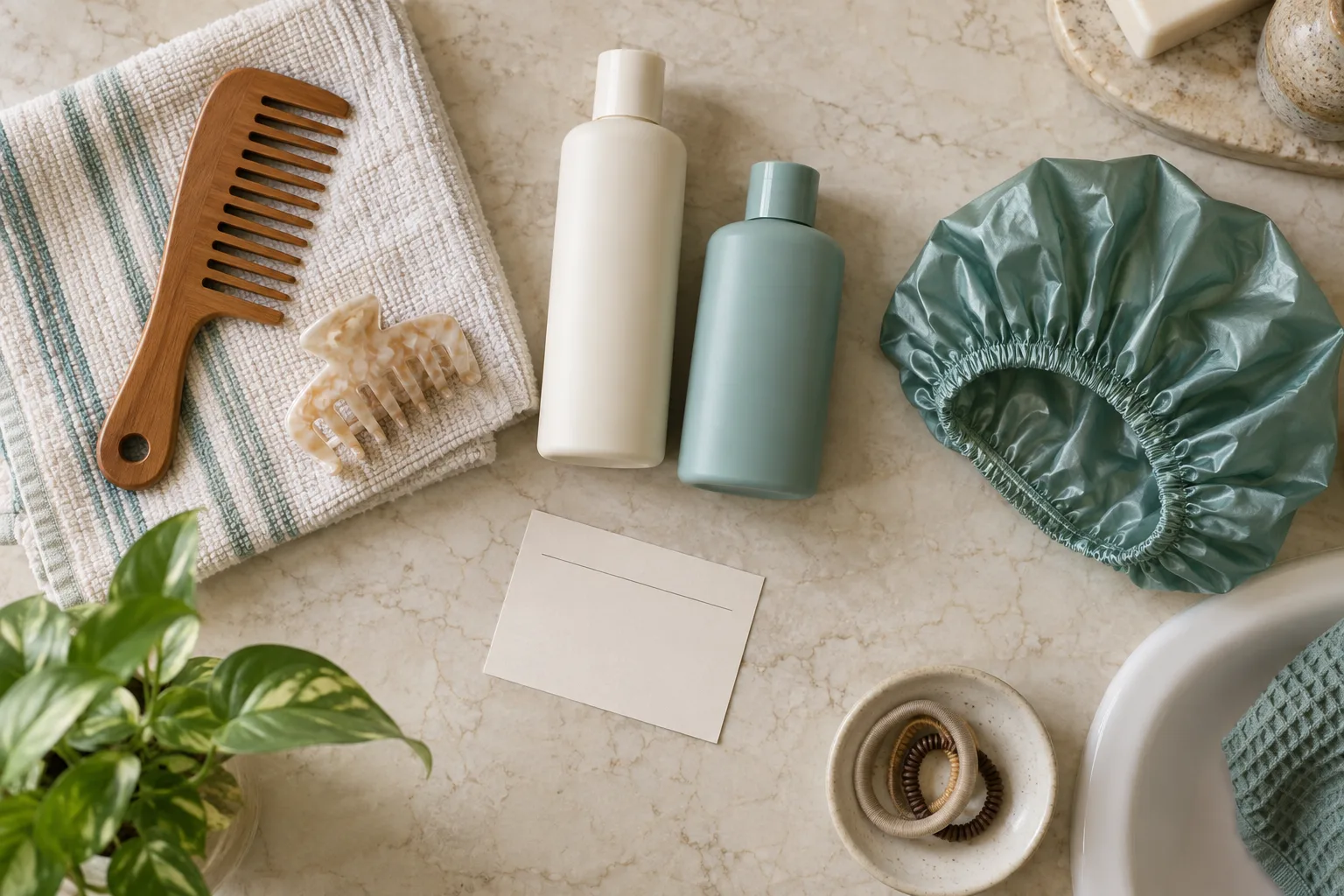
Dry shampoo, root powder, oil, gel, wax and strong hairspray can change how strands separate and how the roots sit. A stylist can wash them out, but if a dry assessment or dry cut comes first, buildup may obscure the natural fall. It can also make fine sections cling together or make curls feel more stretched or rigid than they are after a normal wash day. Tell the stylist what you used rather than trying to disguise it.
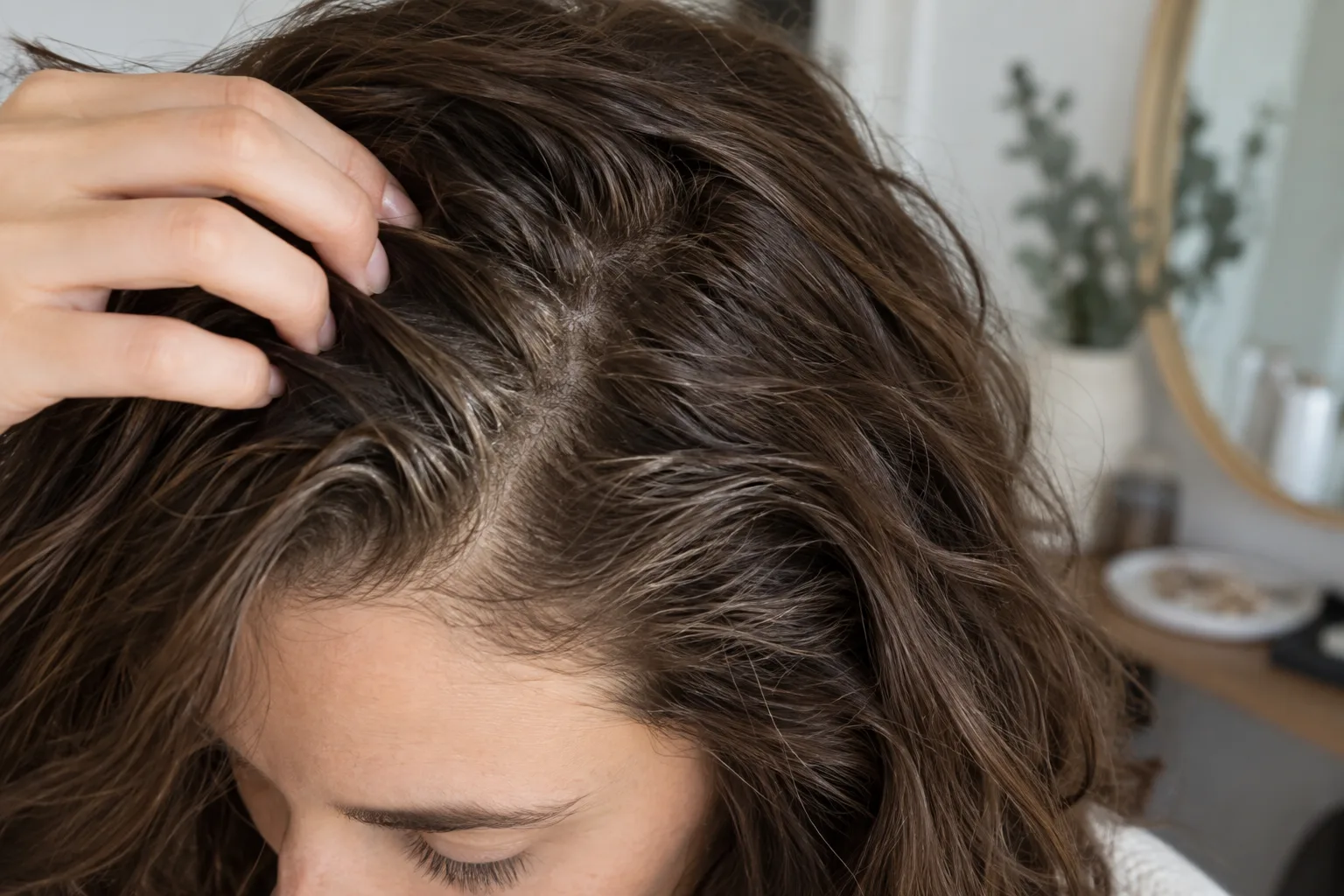
The American Academy of Dermatology explains that shampoo should focus on the scalp and that cleansing removes accumulated product, dead skin and excess oil. That does not mean scrubbing aggressively before an appointment. Use your normal gentle routine, rinse thoroughly and avoid testing a new clarifying product the night before. If your scalp is painful, broken, inflamed or has a condition being treated, contact the salon and your clinician instead of treating the haircut as a scalp-care appointment.
Curly, coily and wavy hair may need a dry arrival
For a curl-by-curl or other dry haircut, the stylist often needs to see fully dry hair in its usual curl pattern. Follow the salon’s specific instructions: commonly that means washed, conditioned, detangled and dried as you normally wear it, without a bun, braid, hat or tight ponytail that stretches the pattern. Some specialists ask for minimal product; others want the light product routine that defines your ordinary curls. Their method decides.
Do not arrive with wet curls unless requested. Water adds weight and temporarily changes length, while brushing or pulling the hair straight can hide shrinkage and the way curl groups sit together. Take one front, side and back photograph on a representative hair day before leaving. Those images are useful if wind, rain, a commute or a coat changes the shape on the way to the appointment.

Do not arrive with soaking-wet hair unless asked
Washing at home does not usually mean travelling with wet hair. Damp hair can dry unevenly during the journey, flatten beneath a hood and conceal how the finished shape behaves. In cold weather it is uncomfortable; on longer hair it may remain wet at the roots well into the appointment. Dry it in the normal way and avoid forcing an unusual sleek blowout if you want the stylist to assess your everyday texture.
There are exceptions. A barber, mobile stylist or express service may explicitly request freshly washed, damp hair. Follow that instruction, but clarify how damp and whether any product should be applied. If timing makes the request difficult, say so before the appointment. A five-minute conversation is better than improvising a preparation routine that removes the evidence the stylist needs.
Color, bleach and combination services need separate instructions
A haircut rule cannot safely settle preparation for permanent color, lightener, keratin treatments or extensions. The salon may want hair washed within a particular window, free of certain products, or left exactly as it is. Skin sensitivity, previous reactions and product directions matter. Do not deliberately build up several days of oil because of a general internet claim, and do not scrub a sensitive scalp immediately before a chemical service without asking the professional handling it.
Send the salon the full service list and mention recent color, henna, chemical straightening, extensions or scalp treatment. Ask what to do if the cut is scheduled before or after color. For hair dye, the US Food and Drug Administration advises following label directions, using the stated patch test and never dyeing irritated or damaged scalp skin. Preparation advice does not replace those safety steps or a professional assessment.
Preserve the shape you want the stylist to evaluate
Wear your usual part and let the hair sit in an ordinary shape. Avoid a tight style that leaves dents, and remove clip-in pieces unless the stylist has asked to assess them. Bring photographs of how the hair behaves on a typical wash day, how you normally tie it back and any area that sticks up, collapses or catches on clothing. These observations are more useful than apologising for normal texture, frizz or a cowlick.
If you are considering a meaningful change, prepare two references and name the feature you care about: a perimeter above the collar, enough length for a ponytail, a softer temple, or less bulk near the sides. Hair Muse can help you organise a visual preference before the visit, but an AI preview cannot predict growth patterns, shrinkage, cutting technique or salon feasibility. Use a preview as a discussion aid, not as a guaranteed result.
A simple checklist for the day before
Read the confirmation message and check whether shampoo, blow-dry, color or a dry-cut method is named. If it is unclear, ask one concise question. Wash only if the answer and your normal schedule support it. Dry the hair fully, keep products light, and avoid a style that changes the natural fall. Pack photographs, references and notes about chemical history instead of extra products.
On arrival, tell the stylist when you last washed, what is currently in the hair and how you usually wear it. Ask them to assess the dry shape before it is shampooed if a cowlick, curl pattern or flat area is part of the problem. A good appointment starts with accurate information. The goal is not perfectly presented hair; it is hair the professional can read and a preparation choice suited to the actual service.
Plan around comfort and accessibility needs
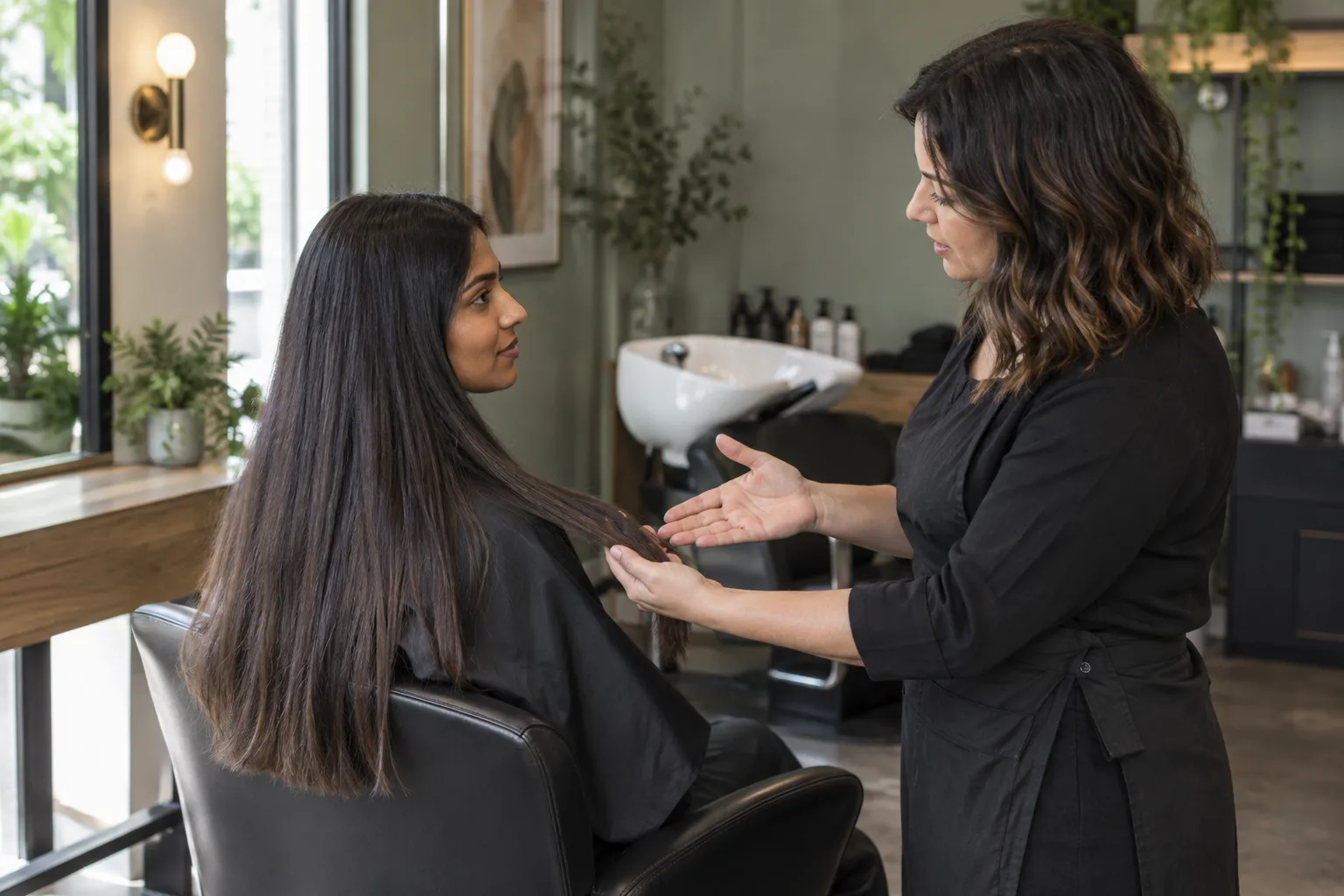
If using a shampoo basin is painful, difficult or overwhelming, tell the salon before the appointment. Ask whether the cut can be planned around hair washed at home, a spray bottle, a different chair position or another reasonable adjustment. Likewise, mention fragrance sensitivity, a tender scalp or products you cannot use. The answer depends on the service and the salon, so advance notice gives them time to explain what is possible.
Do not skip essential preparation silently because you feel embarrassed. A direct note—‘I cannot comfortably use the basin; how would you like me to prepare for this cut?’—is enough. If the method still requires a wash or chemical process that does not fit your needs, discuss a different service before arriving. Comfort information is part of planning, just like texture and previous color; it helps both people agree on a workable appointment.