Build a shortlist that earns its place
Keep options different enough to teach you something.
A saved look is valuable when it represents a decision, not simply another attractive image. Use the shortlist below to separate visual preference from practical fit and to arrive at a salon consultation with a clear order of priorities.
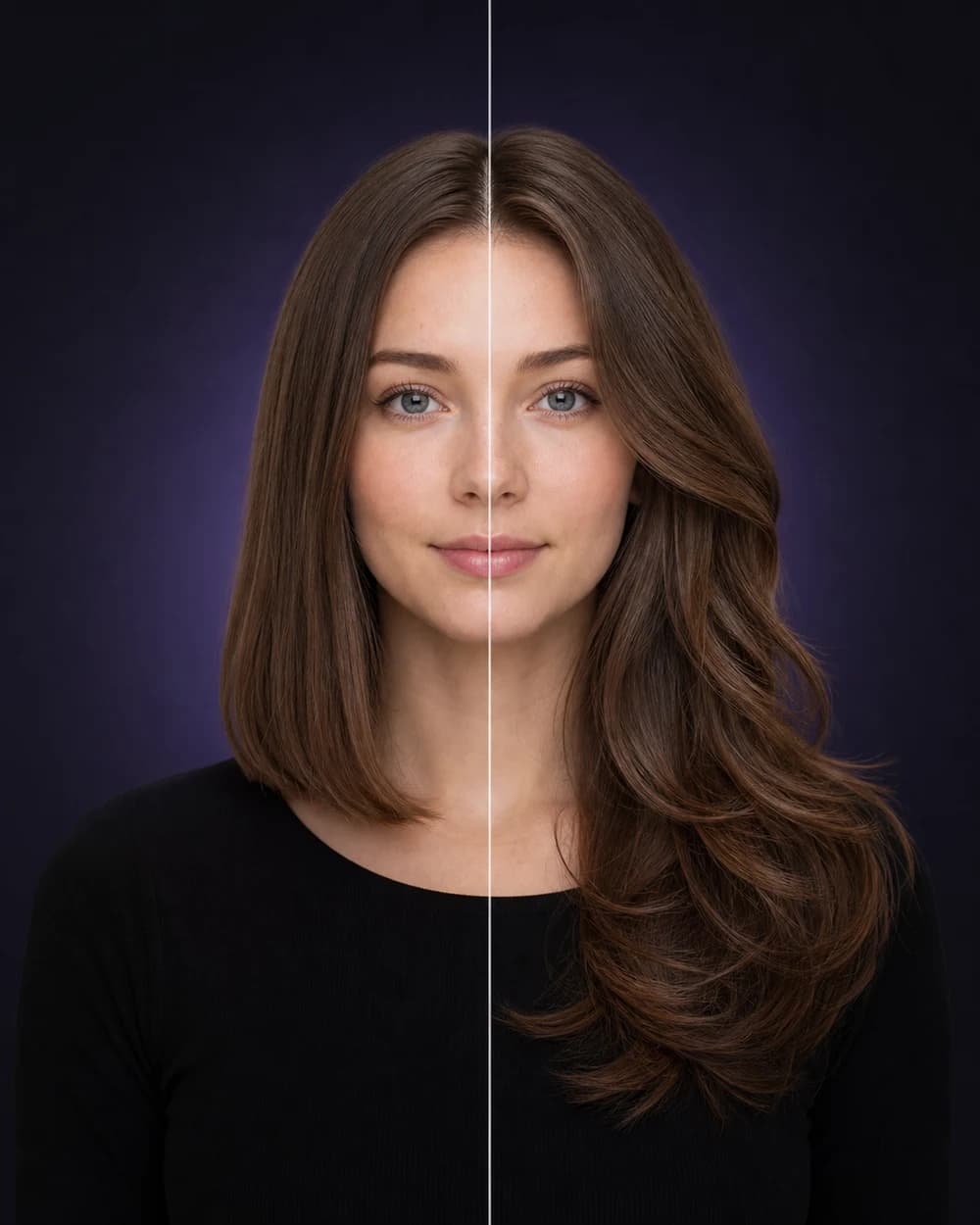
Shape directionChoose one conservative and one expressive silhouette
A lower-commitment option might preserve most of your length while changing the perimeter, face framing, or fringe. A more expressive option might alter the overall length, width, or placement of volume.
Comparing both shows whether the appeal comes from a small adjustment or from a genuinely different shape. It also gives a stylist room to suggest a realistic version between the two.
- Where the outer line of the cut falls
- How much of the face remains open
- Where volume appears strongest
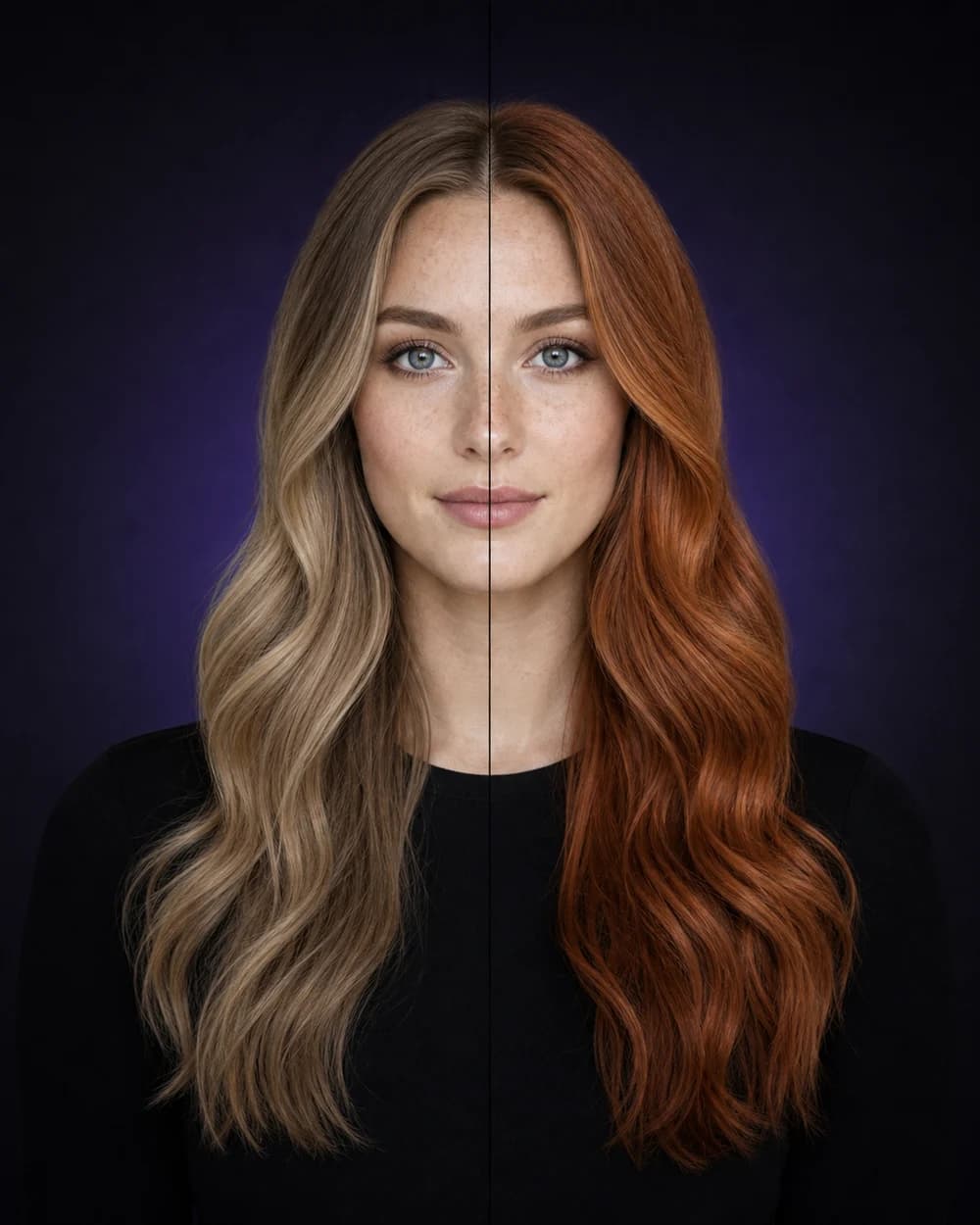
Color directionSeparate color family from brightness and finish
Save references that clarify whether you prefer warmer, cooler, lighter, deeper, softer, or higher-contrast color. Do not let generated shine or salon lighting become the only reason one image wins.
A colorist will still need to assess the starting shade, previous color, hair condition, strand-test response, and the number of services required to approach the direction safely.
Plan the color conversation →Daily realityCheck whether the finish matches your routine
Ask how much of the appeal comes from waves, smooth blow-drying, curl definition, root lift, or a polished fringe. Then compare that finish with the time and tools you normally use.
If the styling is unrealistic for most days, keep the visual direction but write down that you want a more wearable texture or a shape that also works air-dried.
- Daily styling time
- Heat and product use
- Trim and color maintenance
Consultation priorityRank what must stay and what can change
Label one or two non-negotiables, such as keeping enough length for a ponytail or avoiding frequent root maintenance. Then identify the parts you are comfortable adapting.
This distinction helps a stylist protect the purpose of the look while adjusting the technical details for your real hair, lifestyle, budget, and service history.
Prepare a clearer salon brief → A practical final set
Keep the original, two finalists, and a short note.
The original shows the starting point. The finalists show meaningful alternatives. Your note explains the visible detail you want, the maintenance you accept, and the questions that still require professional judgment.
Use the AI stylist to organize follow-up questions →