
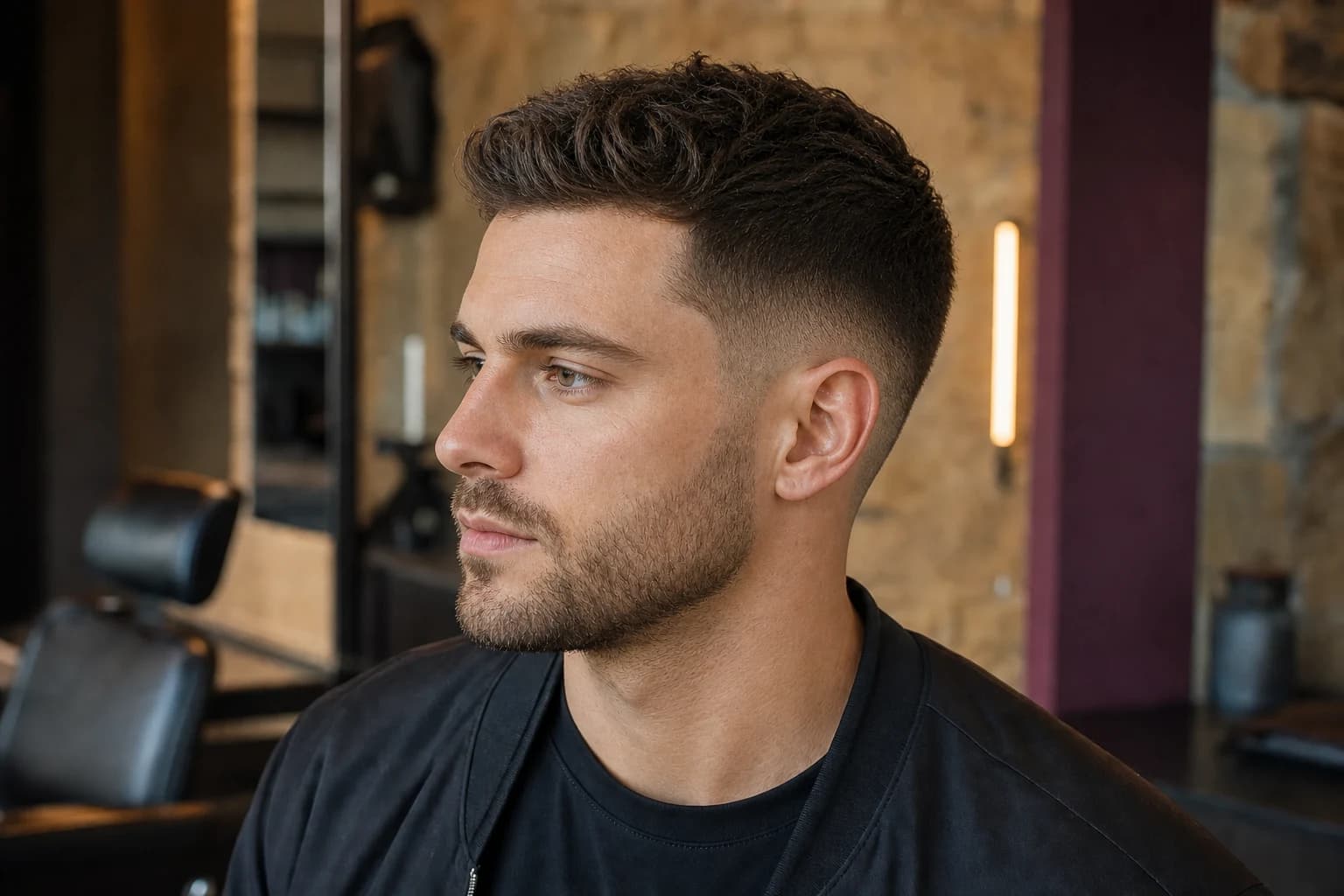
Taper fade
Clean transition with a longer, styled top
Men’s hairstyle app for iPhone & iPad
Upload a selfie to see how fades, buzz cuts, curls, longer styles, and beard looks suit you before your next barber visit.


The short answer
Hair Muse is a men’s haircut app for previewing a new style on your own photo. Choose a clear selfie, browse men’s haircut ideas, and save the strongest direction for a barber conversation.
The preview helps with visual comparison. Your barber still decides the technically achievable length, fade, blend, and shape for your real hair.
Men’s haircut ideas
Compare short, textured, curly, braided, and longer men’s hairstyles on a front-facing photo. These examples show style directions; your generated result will depend on the photo and can vary.
Clean transition with a longer, styled top
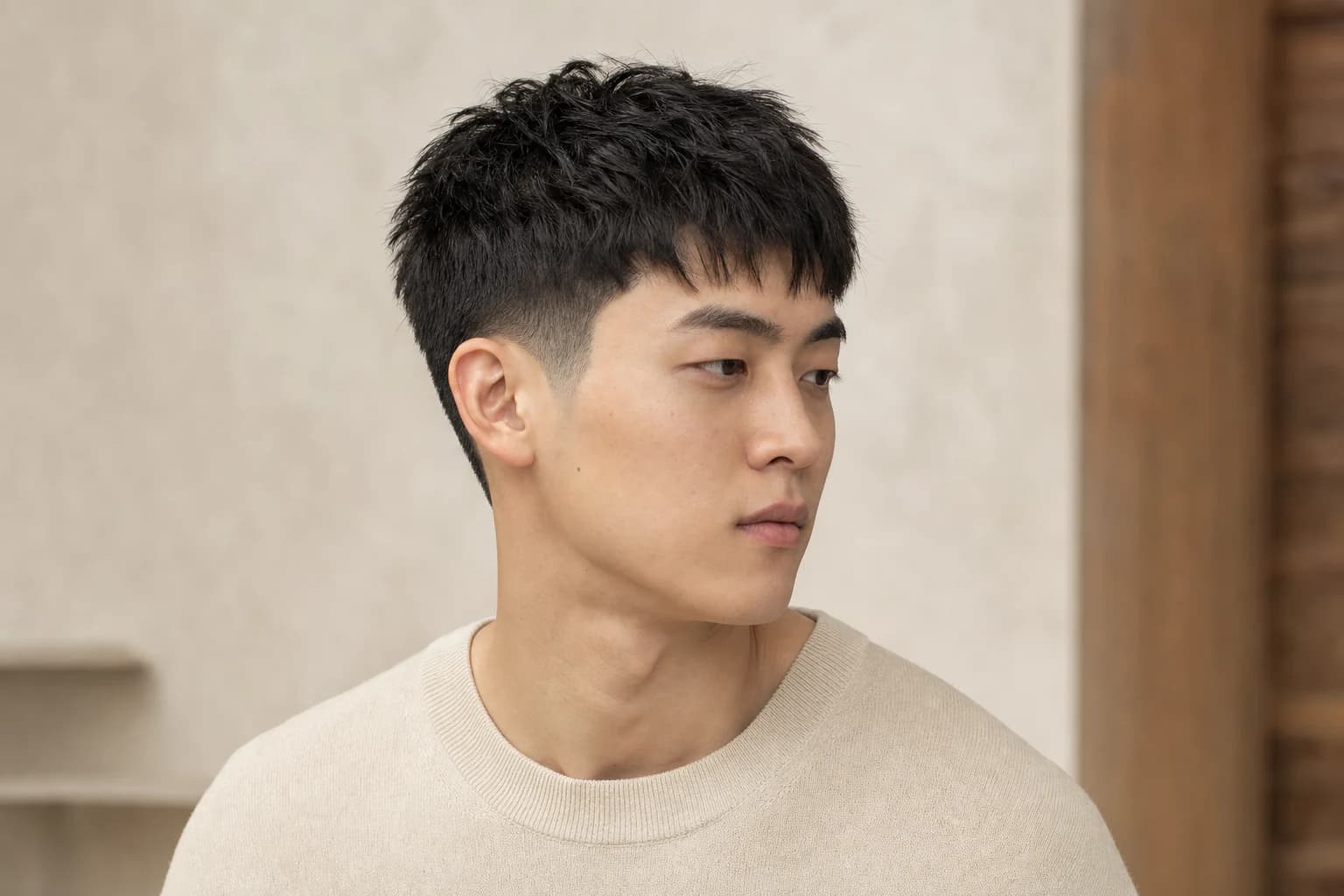
Short sides with visible texture through the fringe
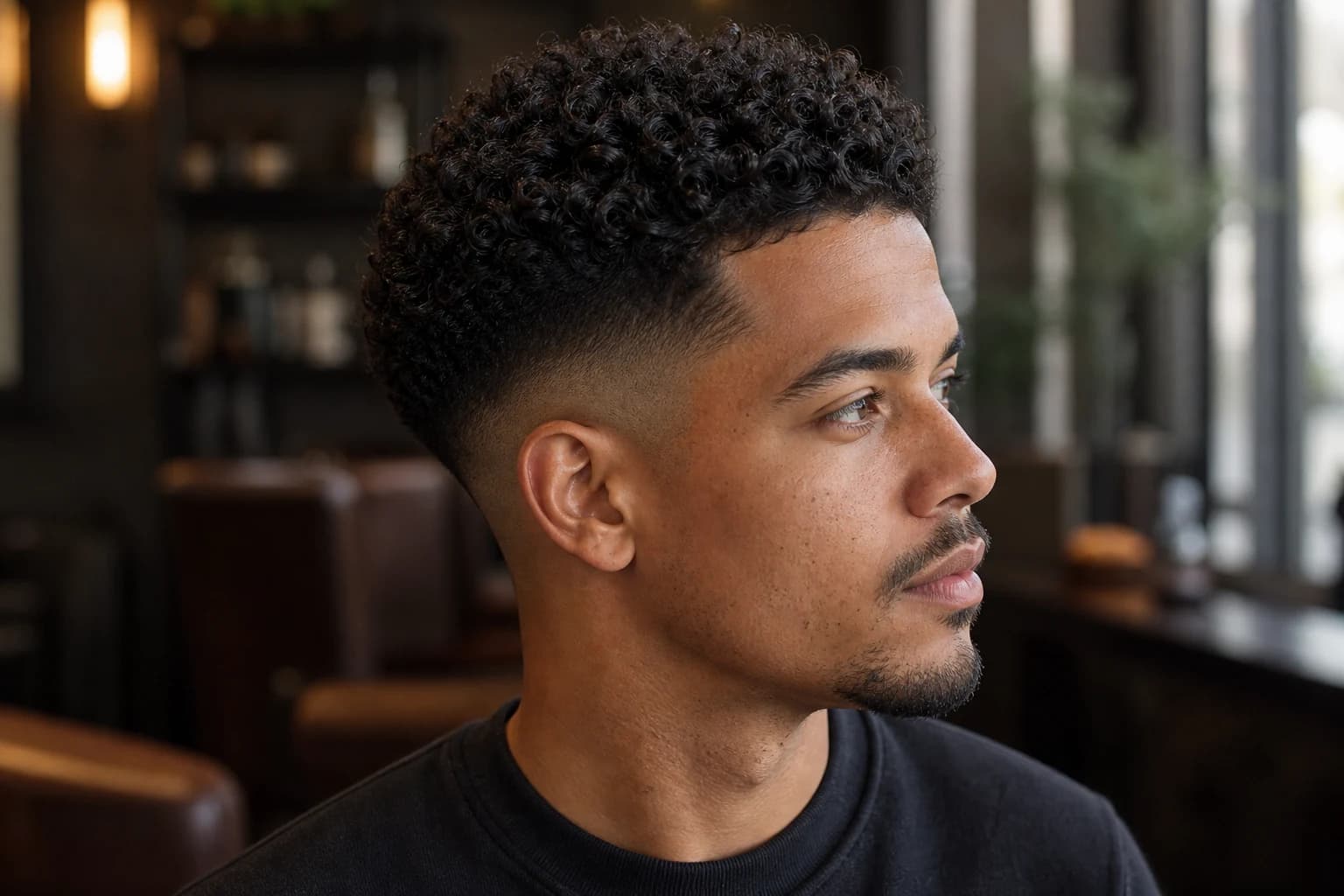
Natural curls kept on top with tighter sides

Soft volume on top with shorter hair underneath

A braided direction that changes shape and detail
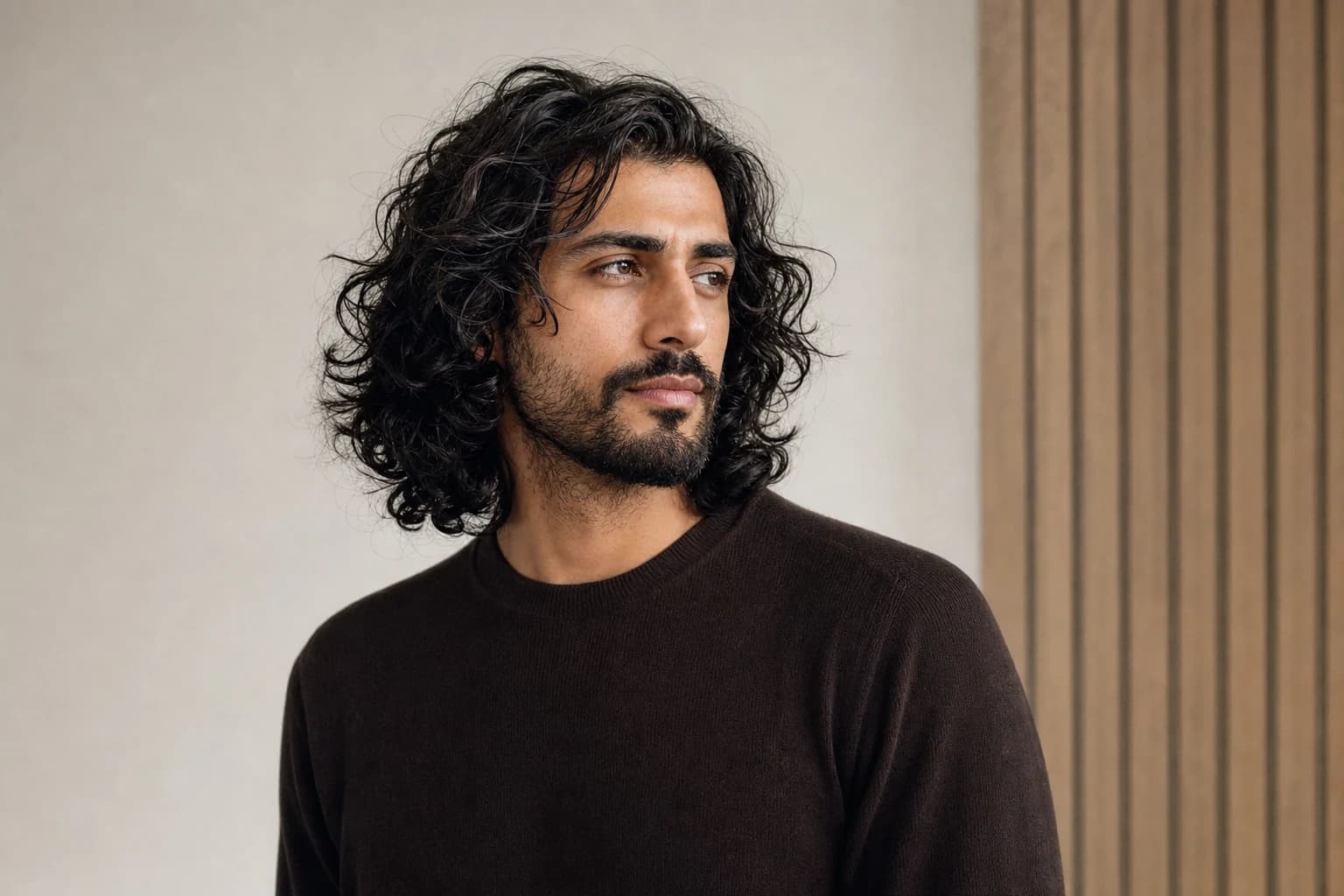
More length, movement, and natural-looking volume
How it works
Use a sharp, front-facing selfie in even light with your full head, current hairline, and face visible.
Explore classic cuts, fades, modern crops, curls, longer styles, braids, volume, or a separate beard direction.
Compare the preview with your original, save one or two options, and ask your barber how to adapt the idea to your hair.
Choose by goal
Start with the amount of length, maintenance, texture, and change you want. Then compare a few nearby styles on your own face.
Compare how much scalp exposure and contrast you want before asking for a very short cut.
Focus on the outline, parting, and how much daily styling the longer top may need.
Use the preview to choose the overall direction, then let your barber set the fade height and blend.
Keep your real curl pattern and shrinkage in mind when discussing length and shape.
Compare movement and silhouette while asking how the look works with your current length.
Review facial-hair balance separately so the haircut remains easy to judge.
Choose for your real hair
A face-shape label is only one clue. Use the same clear selfie to compare the details that affect how a cut reads on an ordinary day, then let your barber assess the real structure in person.
Compare scalp exposure, side weight, and how much separation you want at the front. A crop, taper, side part, or short fringe can create very different levels of definition.
Look at where volume sits instead of simply making everything shorter. Compare a controlled taper, textured top, and longer flow before deciding how much weight should stay.
Compare retained length, fade height, width, and the outline of the curl shape. Shrinkage and your natural pattern can change the real result, so use the preview as a direction.
Try an open front, a forward fringe, and a shorter option on the same portrait. A preview cannot diagnose hair loss or promise coverage; it can help you describe the balance you prefer.
Compare loose, tied, and braided silhouettes while keeping your current length in mind. A barber or stylist should confirm whether the direction works with your density, condition, and starting point.
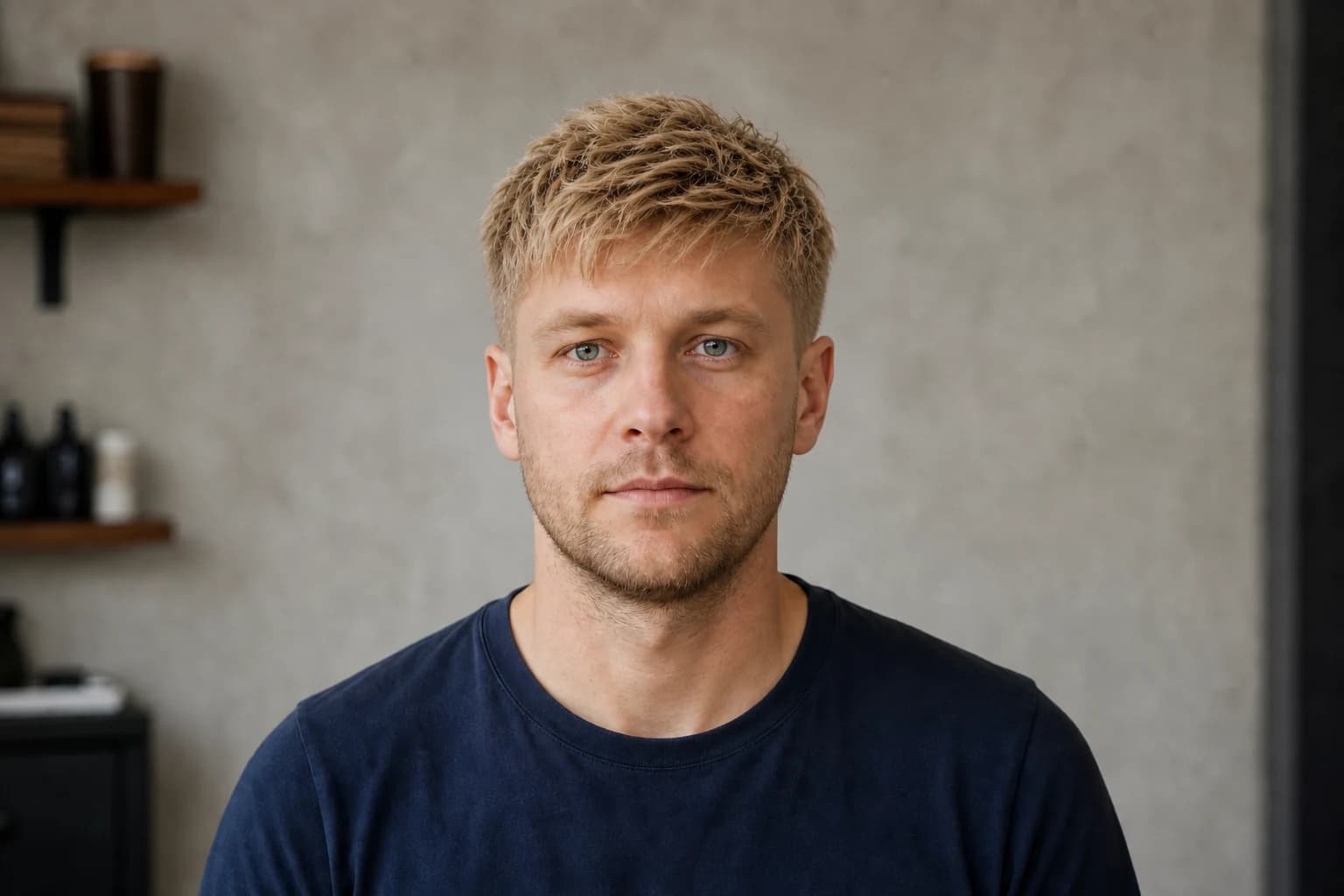

A clearer haircut decision
Shorter sides expose more of the temples and ears, while a textured top keeps the result from looking too severe. Comparing both versions on the same portrait makes the change easier to judge than two unrelated reference photos.
Know the language
A style name alone can mean different things to different people. Identify the specific detail you like in the image, then describe that detail in plain language at the barbershop.
A gradual shortening around the sideburns and neckline while more weight stays through the sides.
Ask how low and subtle the taper should remain.The name describes where the shortest transition begins. A skin fade also describes how close the base becomes.
Name both the fade height and the shortest length you want.A crop keeps the top relatively short; the fringe controls how the front edge falls across or above the forehead.
Point to the fringe length and whether you want a blunt or broken edge.Texture describes separation and movement through the top. It does not automatically mean thinning out dense hair.
Explain whether you want neat separation, messy movement, or natural curls kept intact.A line-up creates a sharper visible outline at the forehead, temples, and sometimes the beard.
Ask how natural or sharp the edge should look as it grows out.A disconnected cut keeps a visible jump between longer top hair and much shorter sides instead of blending them together.
Confirm whether you want a hard contrast or a softer blended transition.Face shape without rigid rules
There is no single correct men’s haircut for a face shape. A preview is more helpful when it lets you compare visual balance: height on top, width at the sides, fringe placement, outline, and facial hair. Your hairline, density, texture, growth pattern, and preferred maintenance matter just as much.
Extra height and tighter sides can create a longer visual line. A softer taper and side texture can keep the change less dramatic.
Close cuts can emphasize the jaw, while curls, a fringe, or looser texture can soften the overall outline.
Very high volume with extremely tight sides may add more length. A fringe or some controlled width can create balance.
Many directions can work visually, so hairline, texture, density, maintenance, and personal style become more useful filters.
Fringe placement, side volume, and facial hair can change how the forehead, cheekbones, and jaw balance together.
Plan the upkeep
These are broad planning ranges, not fixed rules. Hair growth, budget, fade sharpness, beard growth, and how polished you want the outline to stay will change the schedule.
Short outlines and skin transitions become visible quickly as they grow.
The blend and fringe usually remain readable longer than a skin fade.
More length allows the shape to grow without losing its structure immediately.
Trims focus on shape, weight, ends, and curl health rather than a tight outline.
Cheek and neck lines may need attention sooner than the haircut itself.
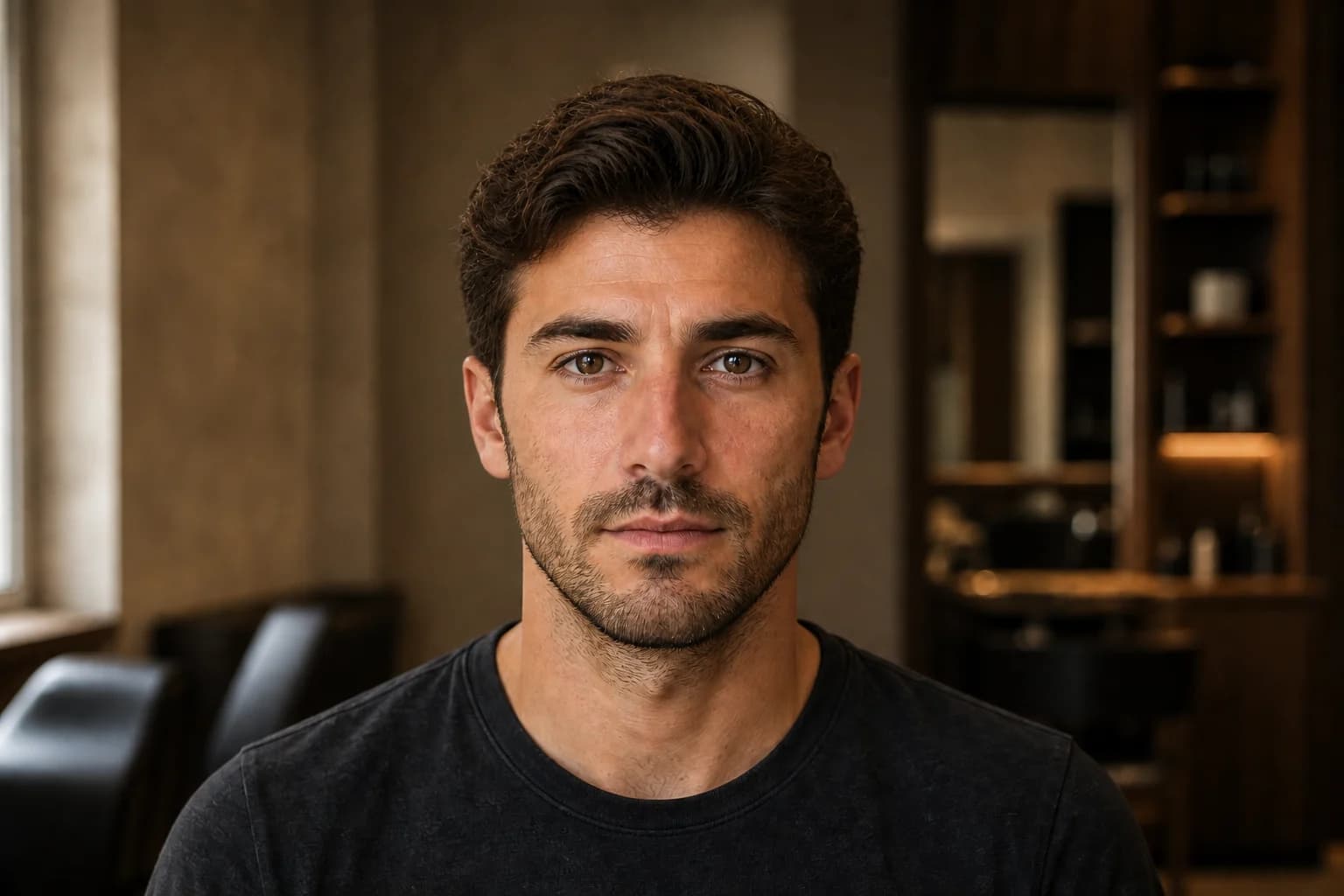

Keep the density, improve the shape
Thick hair does not need an extreme fade to look more controlled. This comparison keeps the density on top, reduces the weight near the ears, and gives the front a clearer direction.


Try facial hair separately
Keeping the haircut unchanged makes it easier to judge the beard itself. Compare the added jaw definition, cheek line, mustache connection, and overall weight before choosing a direction.

Set the right expectation
| Hair Muse can help you compare | Your barber should assess in person |
|---|---|
| Overall haircut shape and visual balance | Exact length, fade level, blend, and cutting technique |
| Shorter versus longer or cleaner versus more textured | Density, growth patterns, cowlicks, shrinkage, and hair condition |
| How hair and facial-hair directions work together | Safe beard lines, maintenance, and what suits your natural growth |
| One or two visual references worth saving | The final service plan and realistic result |
Start with a better photo
Use one recent portrait that looks like you on a normal day. A clean source photo gives the AI a clearer view of your head, hairline, face, and lighting before it creates a new haircut direction.
Read the complete photo guide →Clear product facts
Hair Muse is designed for visual planning. These facts explain the current product, access, photo handling, and the limits of an AI preview.
Explore short cuts, fades, classic shapes, curls, braids, longer hair, beards, and mustaches in the current men’s catalog.
Hair Muse is available for compatible iPhone and iPad devices. Some previews, reports, or usage levels may require an in-app purchase or subscription.
Hair Muse asks for your agreement before an AI photo request. Temporary photos and processing images are scheduled for deletion within 12 hours.
Submitted photos and generated results are not used to train Hair Muse models. The preview helps compare a direction; your barber decides the workable cut.
Published by Rocket Digital Limited, the developer of Hair Muse. This page describes our own product and is not an independent comparison. Publisher details →
Good to know
Direct answers about styles, pricing, devices, and what an AI haircut preview can realistically show.
A men’s haircut try on creates an AI-generated hairstyle preview from a photo you choose. It helps you compare haircut directions on your own face before visiting a barber or stylist.
Yes. In Hair Muse, choose a clear front-facing selfie, select the men’s hairstyle catalog, and pick a haircut direction to generate a personalized preview.
Hair Muse includes more than 90 men’s haircut and hairstyle options across short cuts, fades, classic styles, modern cuts, curls, volume, longer hair, braids, and tied styles. The available catalog can change with the app version.
Yes. Hair Muse also includes 30 beard and mustache directions, including short and full beards, goatees, beardstaches, mustaches, and other shapes.
Hair Muse is free to download from Apple’s App Store. Some hairstyle previews, beard styles, reports, or usage levels may require an in-app purchase or subscription, which is shown before payment.
No registration is required to start exploring Hair Muse. Feature access and usage limits can depend on the current app version and purchase state.
No. It is a visual planning aid, not a guarantee. Your real result depends on hair texture, density, growth pattern, starting length, styling, and your barber’s technique.
Use a sharp, front-facing portrait at eye level in even light. Keep your full head, hairline, ears, and face visible. Avoid hats, sunglasses, beauty filters, harsh shadows, side profiles, and distant group photos.
Hair Muse can provide appearance-planning guidance and help you compare styles, but face shape is not a rule that determines one correct haircut. Hair texture, density, hairline, growth pattern, upkeep, and personal preference matter too.
Show the original photo and the preview together. Point out the fade height, shortest side length, top length, fringe, texture, outline, and styling finish you like. Ask your barber what should be adapted for your real hair.
No. Hair Muse is currently available through Apple’s App Store for compatible iPhone and iPad devices. There is no Android, Google Play, desktop, or web-app version.
Yes. Compare a buzz cut with a crew cut or slightly longer crop on the same front-facing photo. Pay attention to scalp exposure and overall outline, then ask a barber which guard length and taper suit your starting hair.
Hair Muse can help you visually compare an open front, forward fringe, crop, or shorter direction. It does not diagnose hair loss, measure density, or guarantee coverage. Use a photo with the full hairline visible and discuss feasibility with a barber.
Yes. The men’s catalog includes curly, coily, braided, tied, and longer directions. A generated preview cannot fully predict shrinkage, strand behavior, braid tension, or the length needed, so use it as a visual reference.
Hair Muse asks for consent before AI photo processing. Its privacy policy states that temporary photos and processing images are scheduled for deletion within 12 hours and are not used to train Hair Muse models. Read the privacy policy for complete details.