
Hair and beard planning
Hairstyles with beard: plan one silhouette
Choose the haircut and beard as a pair. Look at the outline, the connection beside the ear and the time you want to spend maintaining both.
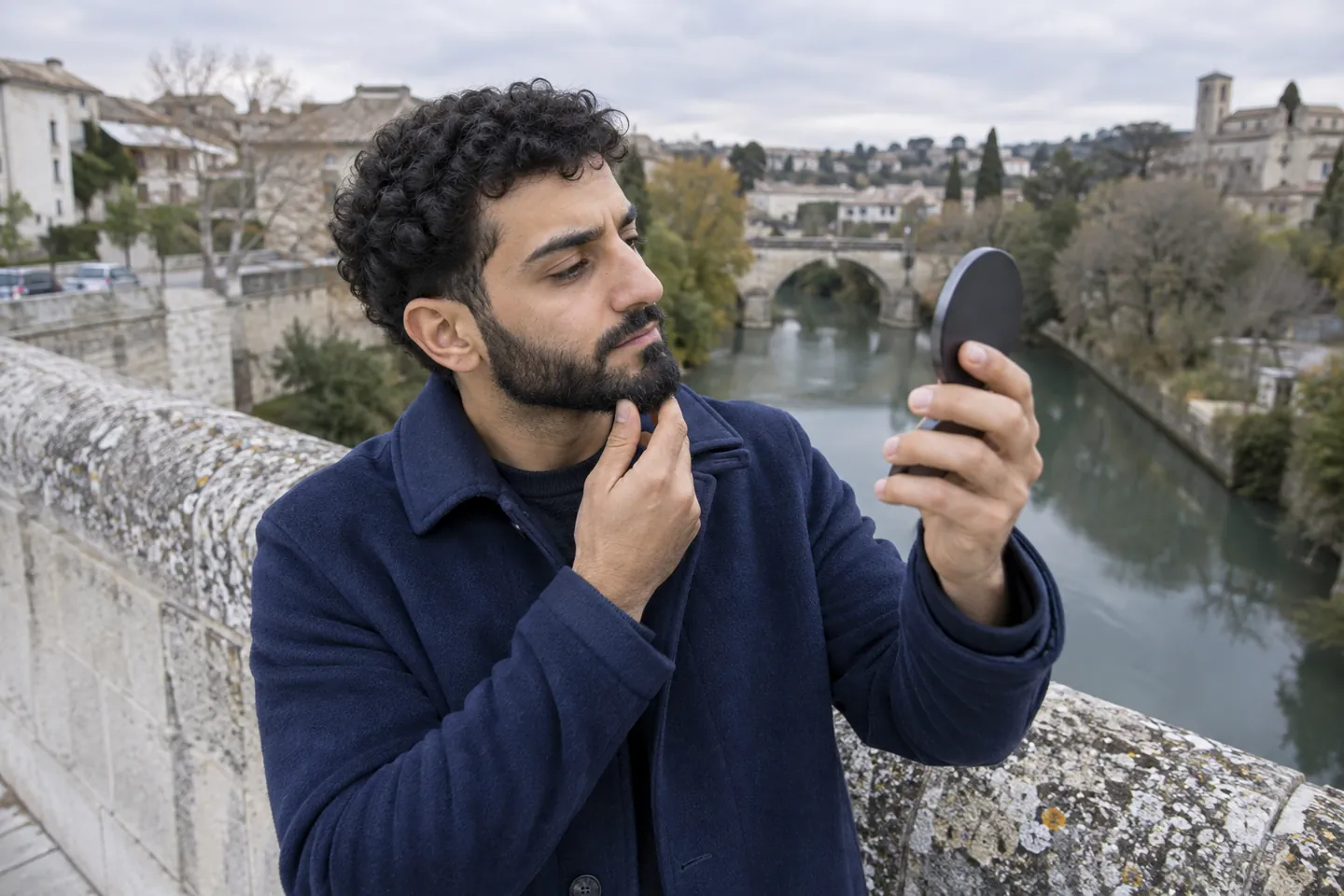
Searching for hairstyles with beard often produces two separate decisions: pick a haircut from one gallery, then a beard from another. The combination can feel unfamiliar even when you like each part. Perhaps a new short side leaves the beard looking more prominent, or a longer front hides the connection beside the ear. Start with the outline you want to wear as a whole, rather than treating facial hair as the final accessory.
You can work through that decision with a mirror, representative photos and a barber. Hair Muse can add a useful haircut comparison on your own photo, but it is not a beard-design or growth simulator. Keep your real beard as the reference, inspect any changes a generated image makes, and save only a small useful selection. The aim is a clearer request, not a synthetic face you are expected to reproduce.
Hairstyles with beard begin with one overall outline
Look at yourself from the front in ordinary, even light. Notice where the shape is widest: through the hair beside the temples, across the cheeks, or in the beard. Then turn slightly and observe the front of the hair and the chin. These are descriptive observations, not flaws to correct. You might enjoy a strong contrast, a soft continuous outline or deliberately generous volume. Write down the effect you prefer without trying to classify your face into a rule that chooses for you.
Choose a starting point you genuinely want to retain. If you like the beard at its present length, compare the haircut around it first. If growing the beard is the goal, avoid making a simultaneous drastic haircut change merely because a reference shows both. A short crop with a full beard, a relaxed side part with a short beard, and longer curls with lighter facial hair can each be coherent. The useful question is which combination matches your own preference and ordinary routine.
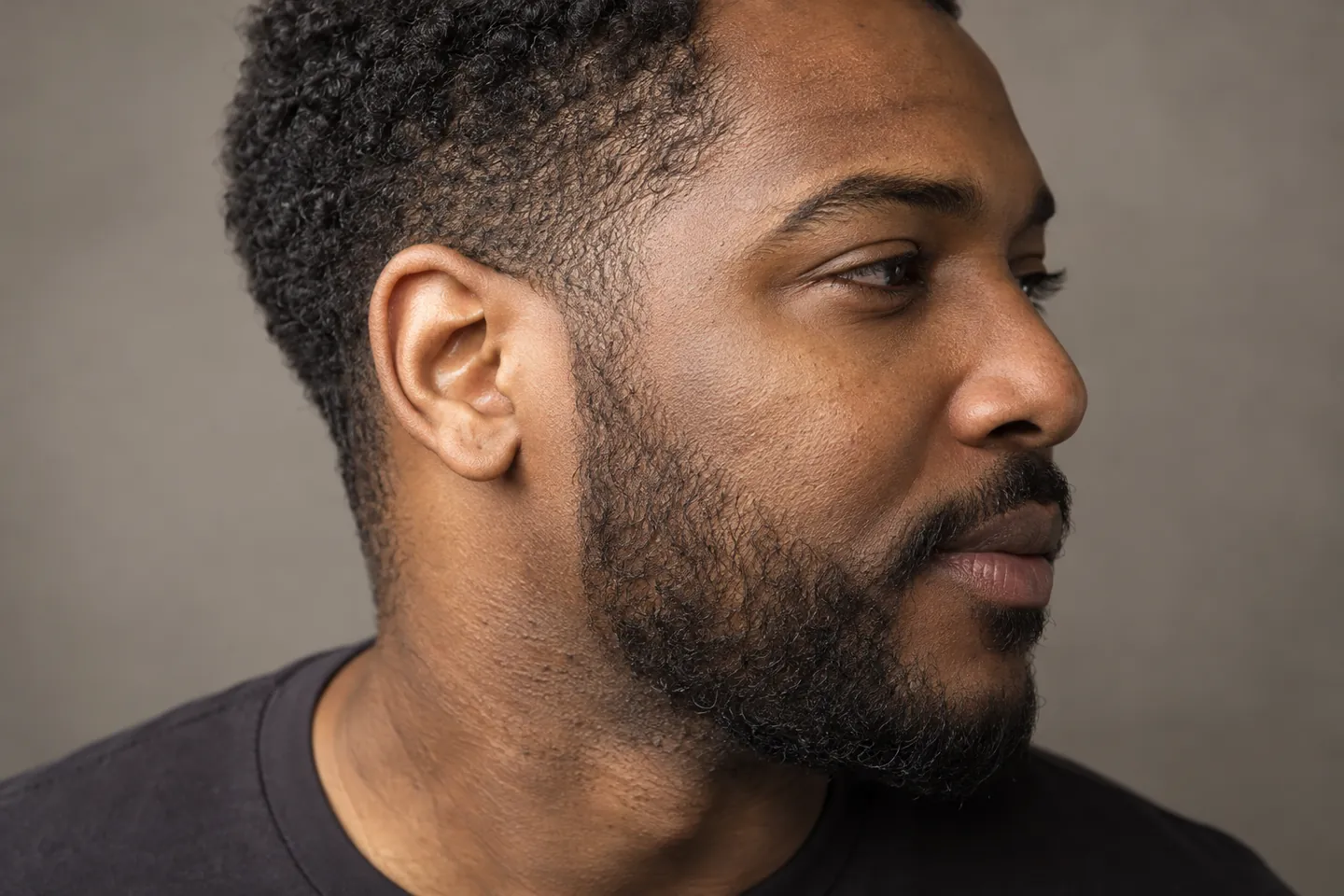
Photograph the beard you actually wear
Use a representative day rather than a freshly sculpted look you rarely repeat. Keep the whole top, both ears, the beard and upper shoulders in the frame. Hold your head normally and avoid pushing the chin forward. A close camera, an upward angle or strong side lighting can make one part seem disproportionately large. Move back enough to see the outline clearly, then keep the same position for the first comparison. You need a reliable reference, not the most flattering portrait in your camera roll.
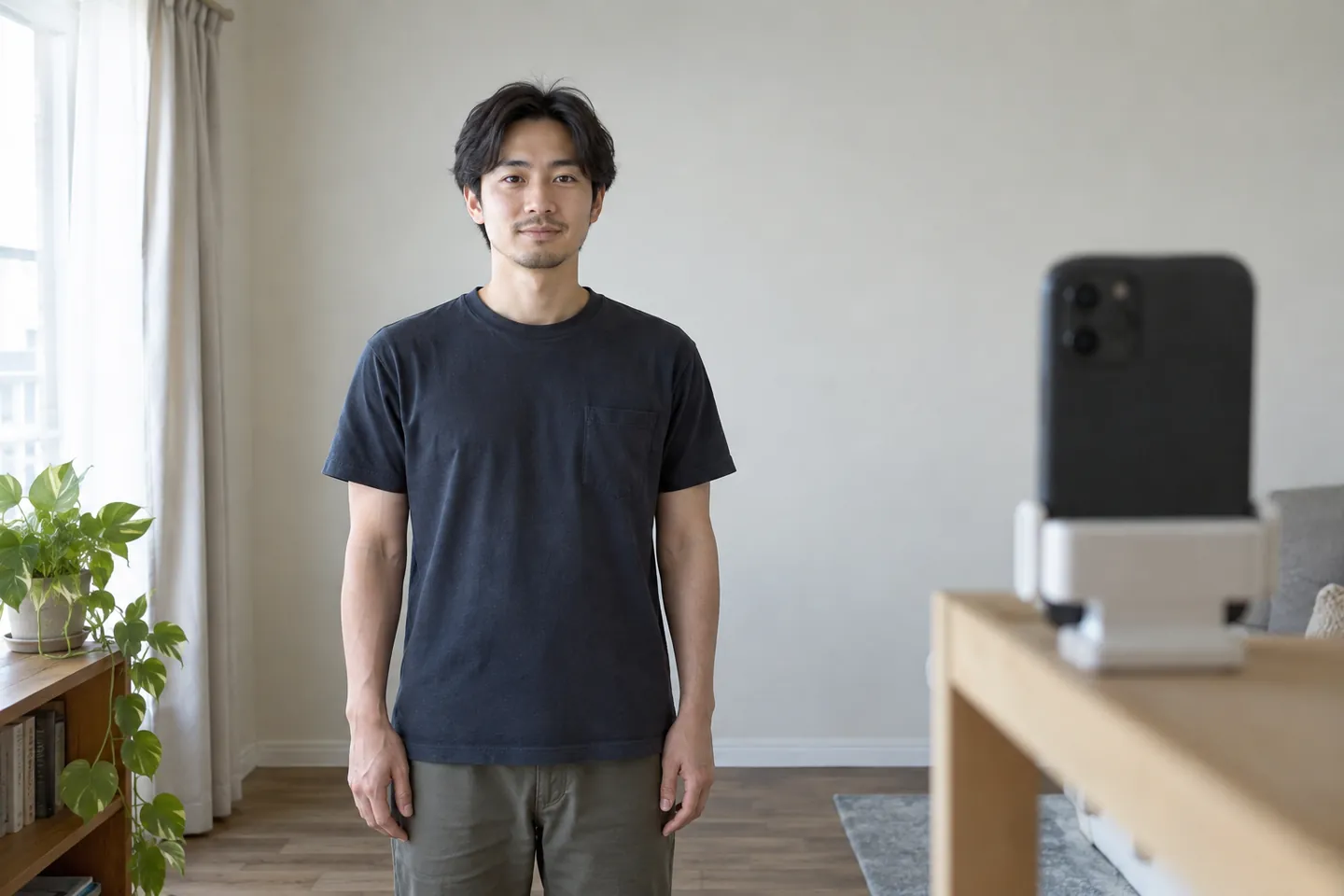
A supported phone or another person's help makes this easier. Apple's camera guide describes a grid, level and timer for composing a shot; use whichever tools your phone offers without treating them as a measurement system. Take a separate side reference for the barber, but do not assume two photos create a three-dimensional assessment. Avoid beauty filters and cropping away the lower beard. If glasses are normally part of your appearance, keep them in a separate everyday reference as well.
Decide what should happen beside the ear
The sideburn area is where a haircut and beard can connect, soften into one another or separate visibly. Point to that area in your own side photo. Do you want some hair retained beside the ear, a gradual reduction toward the beard, or a deliberate break? None is automatically more balanced. A full beard does not require a skin fade, and light facial hair does not require long sides. The connection is a choice to discuss, not a formula you should extract from a stranger's face.
Ask how the proposed junction works with the hair that actually grows there. Your head hair and beard may differ in texture, density or direction. A reference can hide that difference under perfect lighting. Do not ask someone to carve a much higher cheek line to imitate density you do not have. Describe what you want to retain, especially if you are growing the beard. Let the barber explain where blending is feasible and where keeping an honest transition will serve the outline better.
Compare the haircut in Hair Muse, not an invented beard
Start with the clear front photo and an available hairstyle direction near your intended length. Compare a familiar outline with one meaningful change: less width at the sides, a lower front, or a longer top. Keep hair color and beard intentions unchanged in your notes. Hair Muse previews are generated images, so every detail may not remain identical. Check the beard, eyebrows, jaw and face before judging the hair. Discard a result if those changes are doing the persuasive work instead of the haircut.
Save two directions you can describe without the image: softer sides with the present beard, or a compact front while leaving the sideburn connection for the barber. Do not assume the app has a dedicated beard control, exact clipper settings or a way to predict growth. Hair Muse is free to download, while some previews or usage levels may require in-app purchases. Check the displayed terms. Once you can name the difference, stop expanding the gallery and turn the saved images into questions.
Match visual contrast to the upkeep you will accept
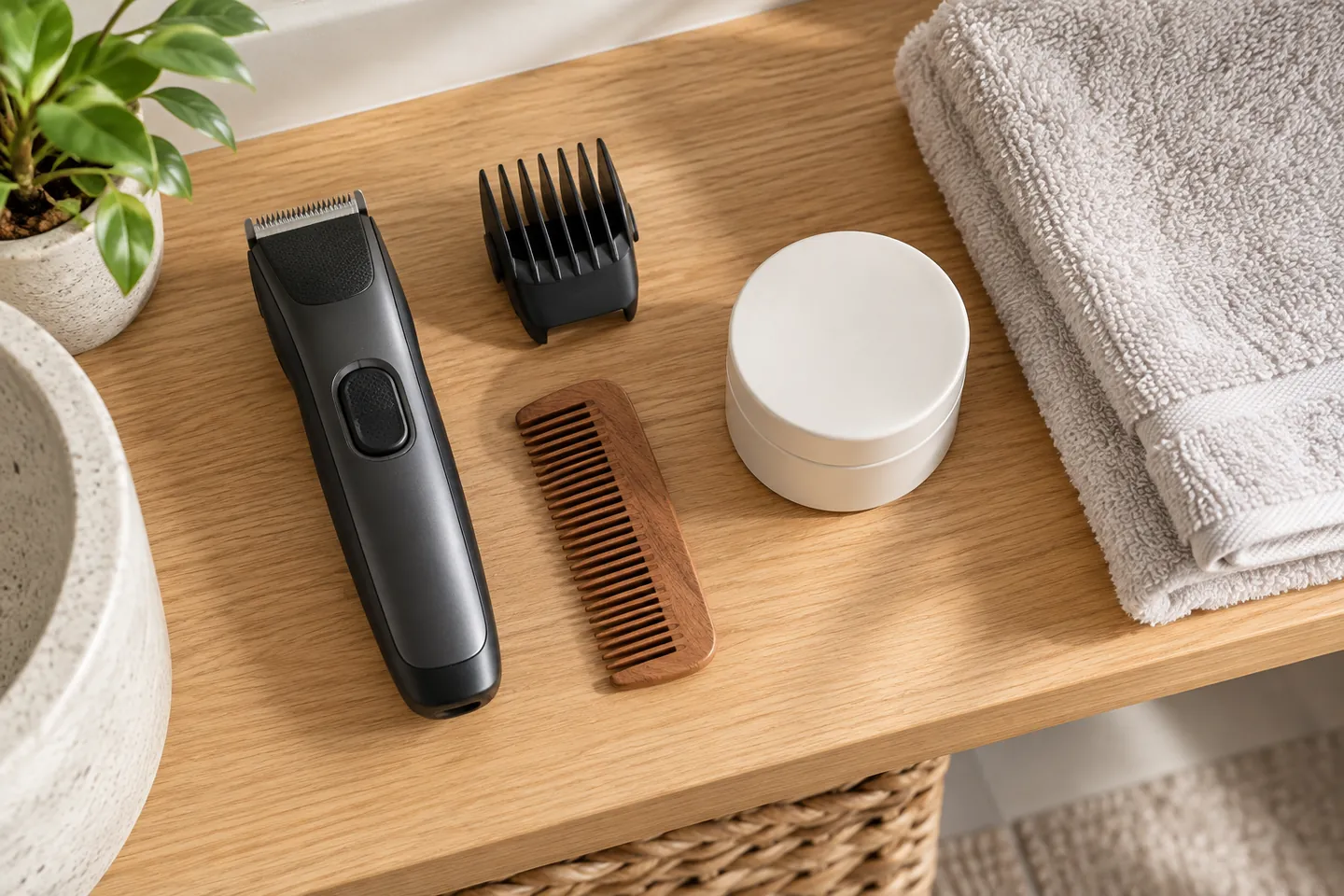
A very exposed side and a sharply defined beard can make changes in the outline more noticeable to you between appointments. That does not make the combination wrong, but it deserves a maintenance conversation. Ask which details need frequent attention and which can grow more softly. Avoid borrowing a universal return interval from a photo. The person who sees your actual growth and preferred finish can help you plan it. Include travel, work and the weeks when you will not have time for precise touch-ups.
Walk through both routines together. How do you normally dry the top, settle a cowlick, keep the moustache comfortable and tidy the beard? If the cut only works after elaborate styling and the beard also needs constant reshaping, the total effort may exceed what you wanted. A simpler haircut beside a fuller beard can be a deliberate choice. So can more hair with a lighter beard. Choose where you want to spend attention instead of assuming one part should compensate for the other.
Leave natural density and skin comfort out of the beauty contest
Some areas of a beard are lighter than others, and the top of the head does not necessarily have the same density as a saved hairstyle. Treat that as information for adapting the combination. An image with a filled-in cheek or unusually dense front does not demonstrate what trimming can achieve. Avoid promising yourself a certain future fullness or trying to force a sharp line through sparse areas. You can enjoy facial hair as it grows now without waiting for a digitally invented version of it.
The American Academy of Dermatology's beard guidance includes gentle daily cleansing and moisture suited to the skin. Keep care separate from choosing a contour. Do not repeatedly shave irritated skin to match an image; persistent discomfort or unusual skin changes need individual advice, not another preview. This guide offers no diagnosis, growth treatment or razor technique. For the style decision, tell the barber if a particular area should be left alone and consider a less exacting finish there.
Make the appointment request about the pair
When booking, say whether you want a haircut only, beard shaping as well, or a consultation before changing either. Do not assume a haircut appointment automatically includes time for a beard service. Bring the original front photo, the side reference and the two saved hair directions. Explain which beard length should stay and point to the connection beside the ear. A useful request might be: keep this beard, reduce width in the haircut, and explain the options for joining them without a hard break.
Ask the barber to translate that goal into an achievable plan. What would have to change today? Which area should grow before another shape is possible? What can be maintained comfortably at home, and what should wait for the next visit? Do not demand the exact synthetic outline or a guard number inferred from pixels. If a proposed cut would remove the length needed for your preferred connection, discuss the compromise before work starts. A professional adaptation can preserve the intention while changing the reference.

Change one part first when the decision is still unclear
You do not need to settle a new haircut and a new beard in one sitting. If you already like the beard, begin with a modest haircut adjustment and observe the pair in ordinary life. If you want to grow facial hair, a familiar haircut can make that transition easier to evaluate. This is a way to learn your preference, not a guarantee of a better result. Tell the barber what you may change later so today's cut does not accidentally remove an option you were keeping open.
Keep a short note after the appointment: the feature you like, the one that needs effort and the detail to discuss next time. Observe the hairstyle after your own washing and styling rather than comparing only the finished salon photo. The right stopping point is a combination you recognise, can maintain and can explain. You may choose continuous softness or strong contrast. Neither an app image nor a face-shape chart gets to decide which version feels like you.