
Planning a meaningful haircut
Before a hair donation haircut, decide what stays
Plan the hairstyle you will wear after the donation, then check the chosen recipient's rules against your real hair. A preview helps explain the shape, not measure the gift.

A hair donation haircut involves two lengths, and the one you plan to keep deserves as much attention as the one you give. You may be ready to lose the long ponytail but still want the front to tuck behind your ears, the nape to feel covered or enough hair to tie back on busy mornings. Those preferences do not make the donation less worthwhile. They define the haircut you will live with once the appointment is over, rather than an impressive number for somebody else's photograph.
Begin with your own minimum comfortable shape and the current rules of the recipient you choose. Then use real measurements and a conversation with your hairdresser to see whether those plans fit together. Hair Muse can help you explore a shorter outline on your photo before that conversation. It cannot certify a donation, measure usable ponytails or predict how newly shortened hair will behave. The editorial images here illustrate preparation; they are not donor testimonials or evidence of app results.
A hair donation haircut starts with a recipient
Choose the receiving organization before deciding what to cut. Read its own current instructions about length, hair condition, previous treatments, preparation and packaging. Check whether it is accepting donations now. Search snippets, an old salon poster and another donor's experience can describe different programs. If your hair has layers, curls, colour or a treatment history, ask the recipient how its requirements apply before booking a donation appointment. Do not assume that a familiar charity name means every collection follows the same process.
For example, The Little Princess Trust's current FAQ specifies a minimum of ten inches and encourages twelve inches, while also providing texture-specific instructions. Those are that organization's conditions, not a worldwide threshold or an instruction to straighten every curl. Use the current page to check your situation, then confirm anything unclear directly. The purpose of this guide is to plan your remaining haircut, not rank charities or promise that any particular bundle will be accepted.
Describe the hair you want to keep
Look at your hair in its ordinary dry shape and name a few reference points on your own body. Perhaps the front should reach below the jaw, the sides should cover part of the ears and the back should clear a work collar. Choose what matters to your routine rather than copying a cut's name. A bob can leave very different amounts around the face. A label such as short or shoulder length is not precise enough to protect your preference.
Write down one essential requirement and one flexible preference. For example: keep the front long enough to tuck, but accept a more open nape. That is a planning example, not a length recommendation for everyone. Check the gesture with your real hair and show it at the appointment. If tying everything back is essential, say so before anyone estimates the donation. You can wait, give less where the recipient permits it, or choose another way to support the cause.
Have the usable sections checked in person
Total hair length is not the same as the length of every usable section. The front may be shorter than the back, and worn ends may need a different finishing plan. Ask the hairdresser to identify what can be gathered according to the recipient's instructions while retaining the haircut you agreed. Leave room for shaping after the donation cut. Subtracting a charity's minimum from an estimated overall length does not establish where the finished outline will sit.
Keep measurement and appearance as separate checks. For measurement, follow the chosen recipient's method with the professional handling your actual hair. For appearance, observe how your own dry texture falls at the proposed remaining level. Do not pull hair harder to make a plan seem possible. If one area falls short, clarify whether it stays in the haircut, is excluded from the donation or means postponing the cut. No image can settle that physical decision for you.
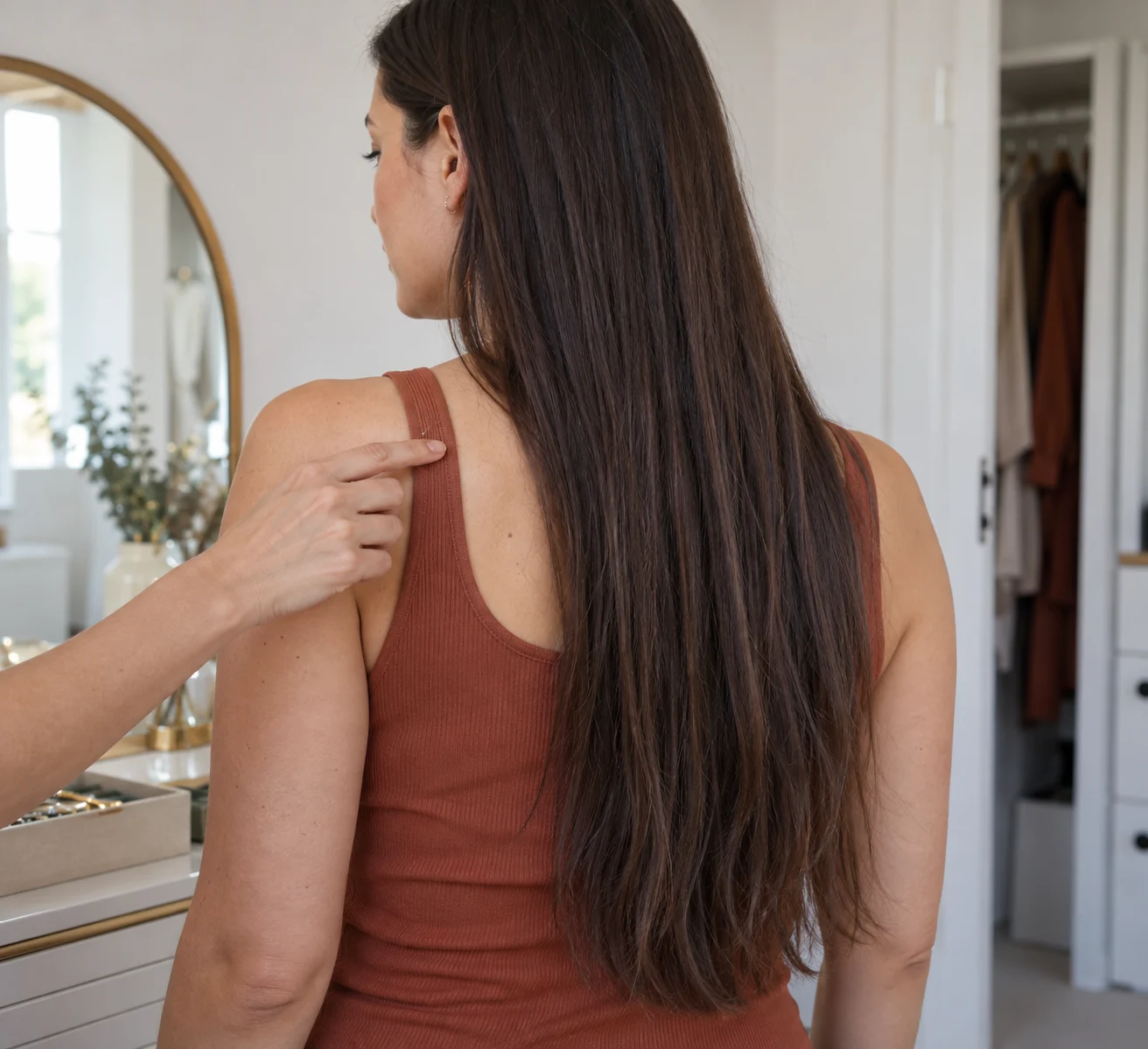
Make one clear source portrait
Before exploring shorter shapes, take a current photograph with the whole head, ears and upper shoulders visible. Use even daylight, a level camera and your ordinary expression. Keep the hair in a recognizable everyday state instead of hiding it behind the neck. Avoid beauty filters and strong shadows. Apple describes the camera grid and level as composition aids; they can help make the framing repeatable. They do not turn a portrait into a calibrated ruler.
Keep the unedited photograph and use that same source for your first comparisons. If you change the lighting, pose and hair outline together, it becomes difficult to say which difference you prefer. A real side and rear photograph can document what the front view misses, but a generated side view should not be treated as evidence of your actual nape. Our source-photo guide explains a more consistent starting setup. Remove private background details before choosing an image you are comfortable using.

Use Hair Muse to explore the remaining outline
Start with one question: would you prefer a clearer jaw-level outline, or more length around the neck? In Hair Muse, use the same photograph to explore a small number of shorter hairstyle directions. Keep colour and the broad styling intention similar where possible, so the comparison stays understandable. You are looking for a way to describe your preference, not a digital cutting diagram. Do not read a generated shoulder or chin position as an exact physical length.
Keep one preferred direction and one alternative that explains a real compromise. Save useful looks through the available app controls and make your own notes about what you want retained. You might like an open neck in the image while still needing longer front pieces. Take that difference into the consultation rather than asking for an identical copy. Hair Muse is free to download; some previews or usage levels may require an in-app purchase. No payment makes the preview a donation assessment or a guarantee of the finished cut.
Reject a flattering image that changes the evidence
Compare the preview with the original before deciding whether you like the shape. Has the face changed, the hairline moved or the hair become substantially denser? Does an airy texture hide where the ends would actually fall? Set aside an image whose attraction depends on those changes. A polished result can be pleasant inspiration without being a useful reference for your own haircut. You do not need to keep generating until an uncertain measurement feels more convincing.
Curls deserve particular care in this distinction. A picture cannot predict the exact change in their dry outline after a large length reduction. Check your real curl pattern with the hairdresser and explain which areas you want to preserve. Use the recipient's instructions for the donation itself; do not translate a rule from a different organization. If the preview and the real hair tell different stories, keep the photograph as a visual idea and let the physical assessment determine what is feasible.

Plan the ordinary first week
Imagine the new cut on an unremarkable morning rather than only when leaving the salon. How will you move hair away from your face, wear your usual glasses or deal with the section that used to join your ponytail? Name the action you most want to preserve. If a preview only works with a finish you do not normally create, ask how the outline will look with your own routine before making that image your main reference.
Think about the change in stages without promising a specific growing-out timetable. You may prefer to wait until a little more length is available, or agree a shorter donation and a more familiar shape if the recipient's rules allow it. Ask what ordinary maintenance the proposed cut involves and decide whether that suits you. There is no obligation to choose the shortest technically possible hairstyle. A clear yes to the shape is more useful than enthusiasm that depends on not discussing the daily compromise.
Agree a stop point before the first cut
Tell the salon when booking that you want both a donation preparation and a finished haircut. Ask what the appointment includes, who checks the receiving instructions and who handles any packaging or dispatch. Do not assume that a donation makes the whole appointment free. Bring the current recipient instructions, your unedited photographs and the small visual shortlist. Keep the preview clearly identified as an illustration so it cannot be mistaken for an existing photograph of your hair.
Before cutting begins, agree the remaining outline and the way the sections will be checked. Say which part is non-negotiable and ask the hairdresser to show you the proposed level on your actual hair. If the donation requirement and your comfort point cannot both be met, pause and choose a different plan. Donation preparation is not consent to an unspecified final style. Our salon-preview guide can help turn the saved image into clear questions rather than a demand to reproduce generated details.
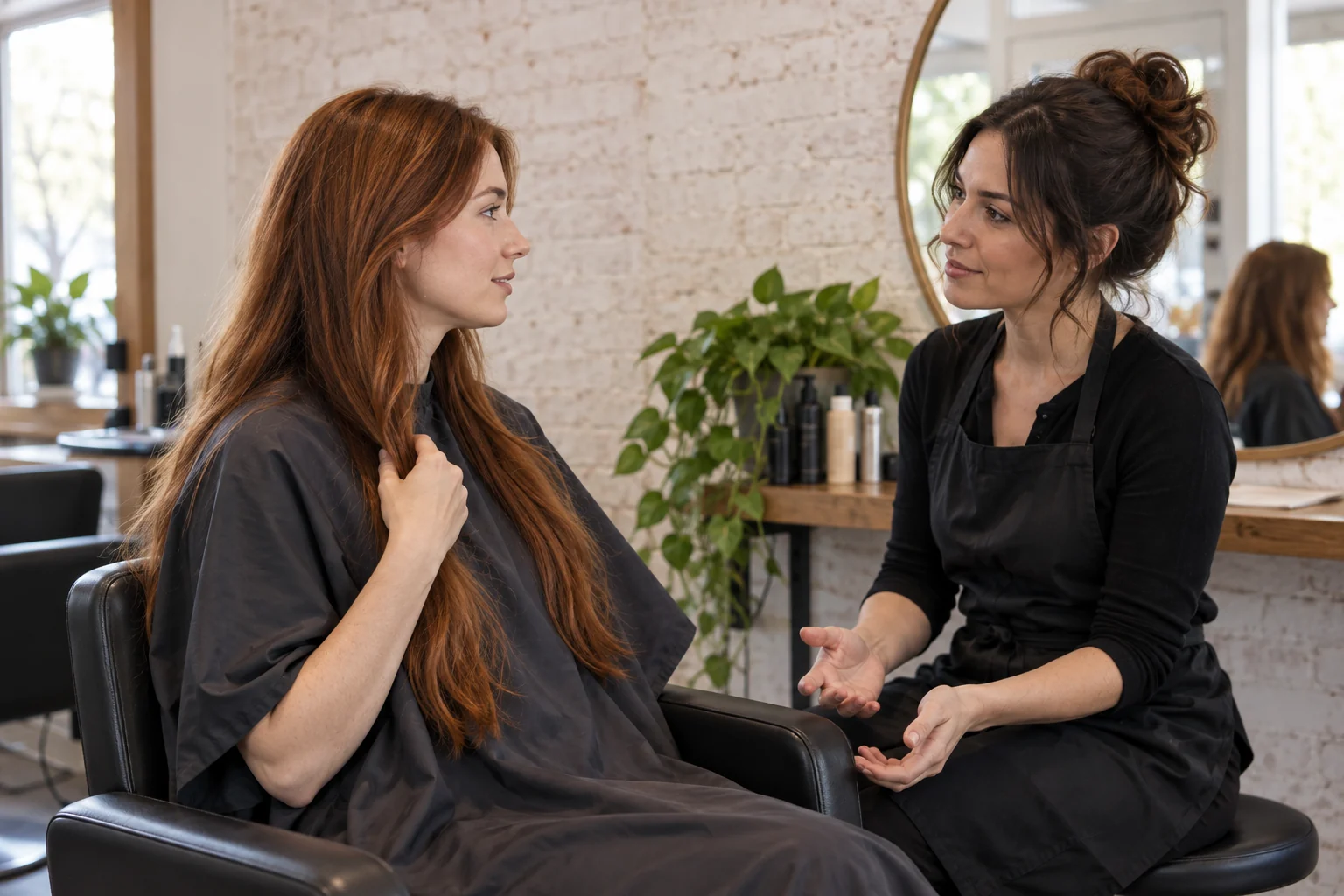
Finish the donation according to the chosen instructions
After the haircut, keep the prepared sections organized and follow the recipient's current directions for the form, packaging and delivery. Verify the destination from the official source rather than an old image reposted elsewhere. If the salon is handling this part, clarify that arrangement before you leave. A satisfying new hairstyle does not by itself establish that the hair was prepared or sent correctly; these are two separate parts of the plan.
Finally, give yourself time to learn the new outline without treating a preview as a promise you must match. Notice what works around your face and during your usual routines. Bring specific concerns back to the hairdresser instead of adding another irreversible change immediately. The useful outcome is a donation that follows its chosen requirements and a haircut you actively agreed to. If the right decision today is to wait, you have still made a clear and considerate plan.