
Waves and salon planning
A perm or temporary waves: which fits your day?
Separate the movement you like from the commitment it asks of you. Compare dry length, curl shape and an ordinary morning before choosing a lasting change.

A perm can sound appealing when straight hair falls flat every morning and you would like more movement. But wanting waves is not yet a decision to change your hair chemically. You might like a broad bend through the lengths, a rounder outline or simply a break from shaping your hair each day. Those wishes do not necessarily lead to the same solution. Start with the difference you want to see, then decide how much commitment makes sense.
This guide separates the visual goal from the practical decision. Hair Muse can show hairstyle directions on your photo and help you make a small shortlist for a salon conversation. It cannot assess hair strength or suitability for a perm. The original illustrations show planning steps and shape examples, rather than documented treatment results. A personal consultation remains essential before a lasting change, even when a preview looks convincing.
Perm planning starts with the movement you want
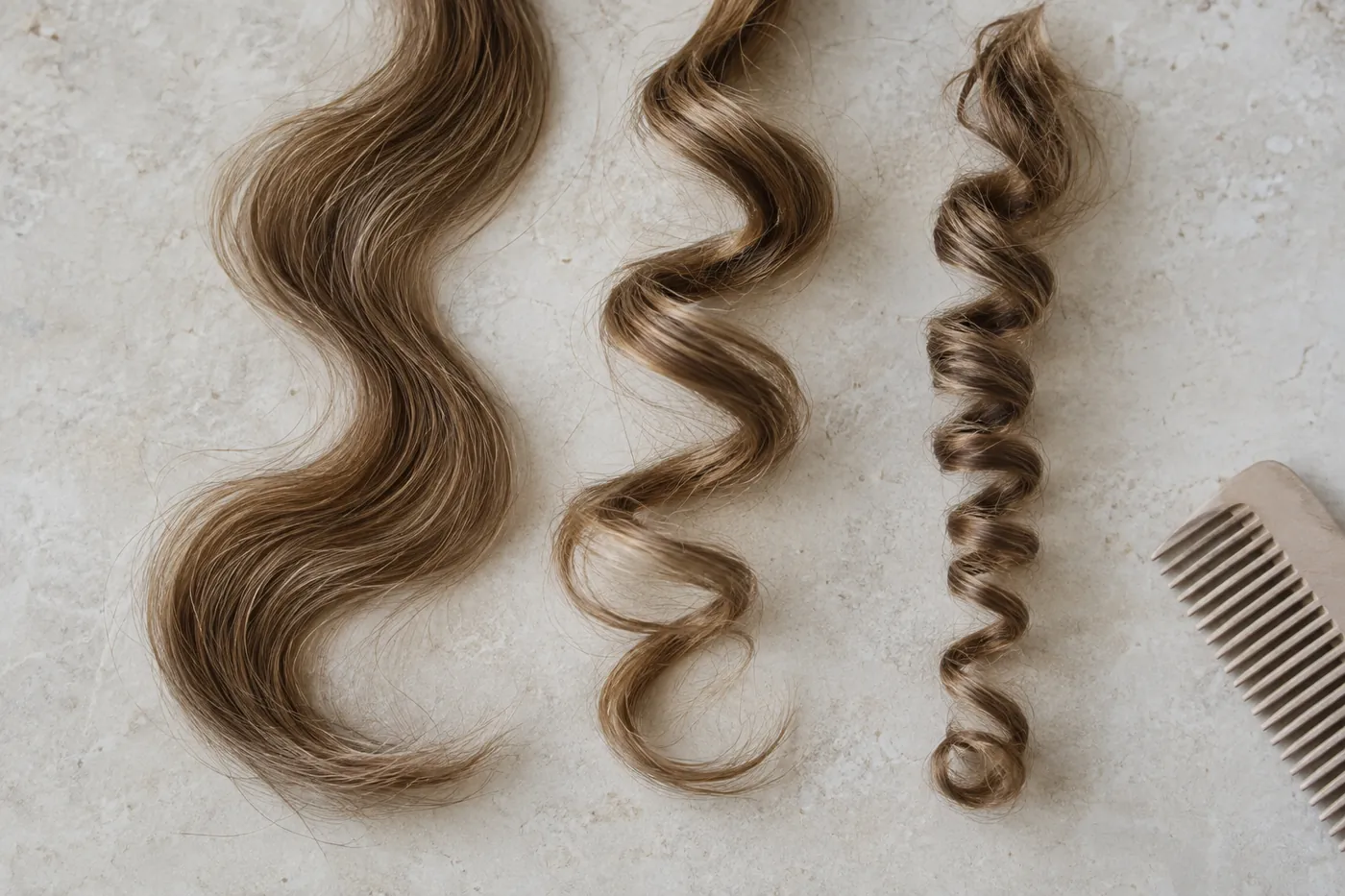
Describe the result before naming a method. Do you want broad waves below the cheeks, open curls around the face or movement at the crown? Use a reference to show where the shape should begin and end. A picture with high root volume and tightly curled ends answers a different question from long, shallow waves. Natural is not a precise description: a deliberately bold shape can be your goal too. Name the feature rather than assuming the label explains it.
Separate an occasion from everyday life. You can enjoy a different shape for an evening without wanting it after every wash. If you often switch between straight and wavy styling, include that freedom in the decision. A lasting chemical change is not interchangeable weekend styling. Temporary waves can help you explore the outline you like, but their hold and movement cannot predict how a perm would behave on your hair. Treat the experiment as information about preference.
Bring your treatment history before booking the service
A perm changes hair chemically. A portrait cannot tell you whether your actual lengths are suitable. The American Academy of Dermatology notes that coloring and perming can leave hair dry and brittle. Do not read gentle or modern as a personal safety assessment. Even a subtle-looking wave needs an individual evaluation; choosing a larger shape does not automatically remove the concern. Keep the visual preference separate from the condition of the strands that would receive the service.
Before the consultation, record which areas have been colored, bleached, straightened or previously permed. Include older treated ends even when the roots have grown back naturally. Bring product information if you cannot identify a past treatment. An honest uncertainty is more useful than a guess. Let the professional decide whether the history calls for further assessment or a different approach. A generated picture cannot supply that missing information.
Postpone a cosmetic experiment if your scalp is irritated, painful or showing unusual changes, or if you notice significant breakage. Seek appropriate personal advice rather than using a hairstyle image to settle the question. This article does not provide a diagnosis, processing time or chemical instructions. A flattering preview is never a reason to override a professional refusal or stack several demanding treatments close together.
Plan length in the dry shape you would actually wear
Waves and curls travel around bends, so the visible ends can sit differently from straight lengths. Avoid taking an exact measurement from someone else's photo. Show a body landmark instead: the dry shape should reach the shoulder, or stay above a particular collar. Mention whether you want to gather the hair loosely. A similar front view can hide a different length at the back, and the same picture may be cropped precisely where the decision matters.
Look at your present hair in an ordinary state, rather than only after elaborate styling. Where do the ends sit when dry, how wide is the outline and which sections behave differently? If you already have waves, you might be seeking clearer shape planning rather than a completely new structure. On straight hair, temporary styling can help explore a silhouette. Neither observation demonstrates chemical suitability or the amount of bounce you would have after a service.
Use Hair Muse to compare movement first
Start with a clear, unfiltered photo under even light. Choose an available wavy or curly hairstyle direction close to the outline you are considering. Hair Muse is a hairstyle preview tool, rather than a dedicated perm calculator. If the available looks represent your idea only approximately, write down that gap. A broad direction can help you communicate without generating more versions until the image appears to offer precision it cannot support.
Use the same source photo for the first comparison. Keep color, parting and desired length as stable reference points in your notes, so you can focus on your response to movement. Generated images do not necessarily hold every detail constant. Reject a result if the face, hairline or framing changes enough to influence your preference. You can retain one useful feature while discarding another: this outline is interesting, but the fringe is irrelevant.
Save two helpful directions and describe their difference in one sentence, such as open waves rather than a tighter front curl. Hair Muse is free to download; some previews or usage levels may require in-app purchases. Check the displayed terms before continuing. A short selection is enough to prepare the conversation. You do not need the app to become the final decision maker or to keep comparing after you can explain your preference.
A beautiful pictured curl does not establish feasibility
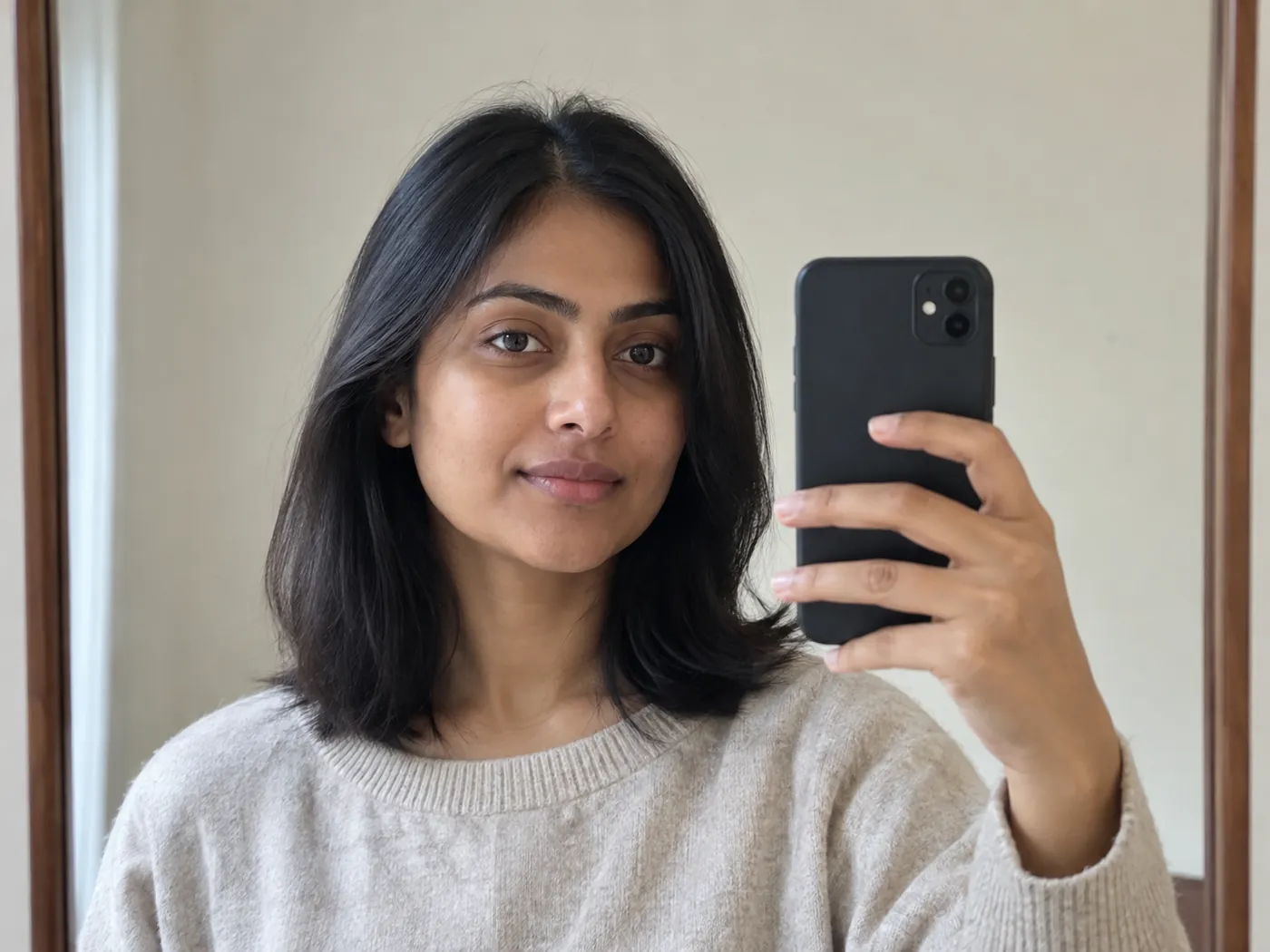
Read the preview at two levels. First: do I like this broader or more animated outline on myself? Second: can my hair carry it with an acceptable treatment and routine? The image mainly helps with the first. It does not measure strand thickness, condition or the response to a particular process. It can invent density, smooth irregular areas or conceal the back. Those details should not quietly become expectations for the salon.
Mark the points you want assessed: root movement, the transition into the lengths, the dry end position and width beside the face. Ask what separates a temporarily styled reference from a lasting change in structure. A curl in a picture has no washing, sleeping or weather history. Your future hairstyle will move, rest on a pillow and work with everyday accessories. A useful conversation makes these unseen conditions part of the choice.
Check an ordinary morning before promising less styling
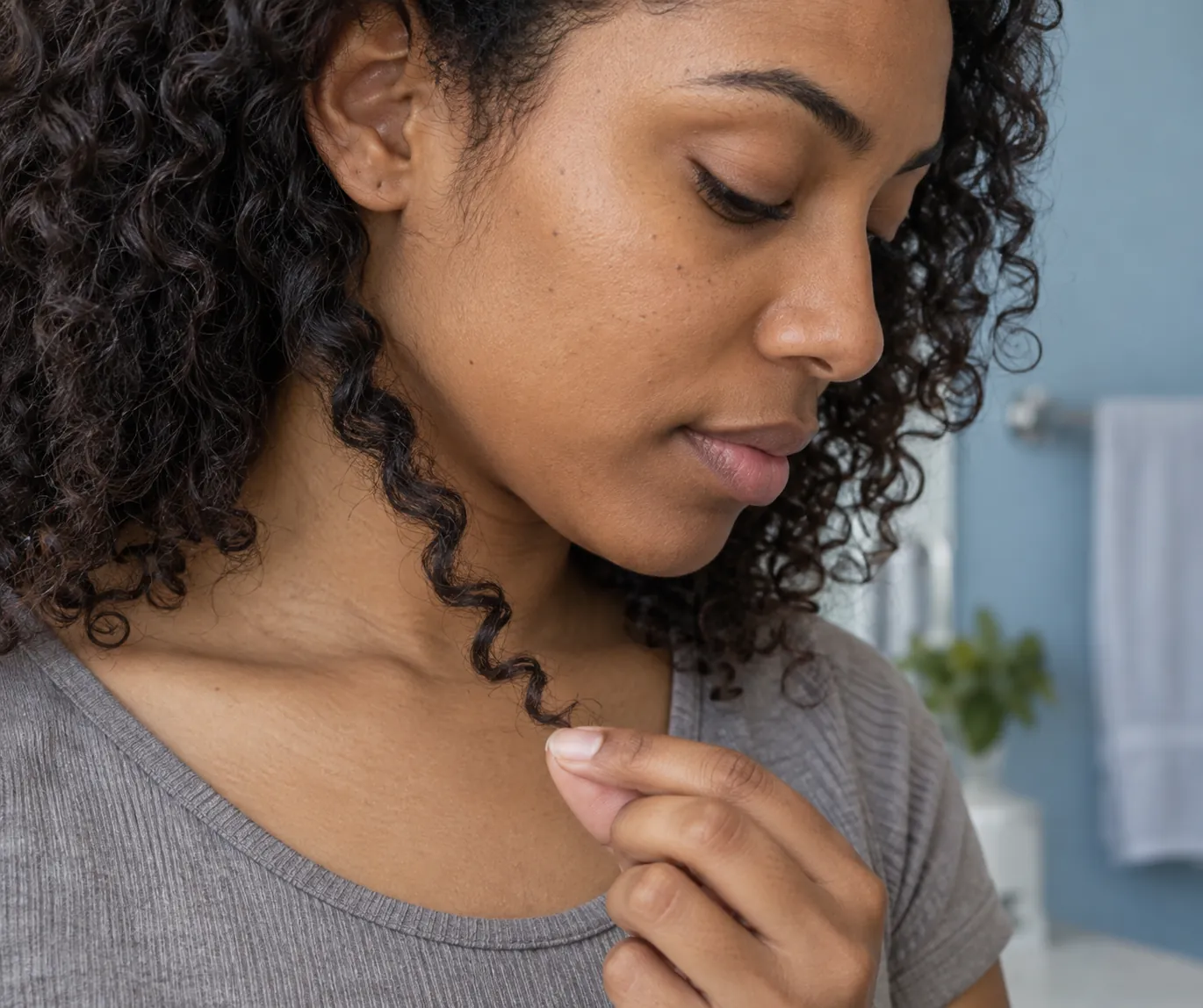
More structure can mean different daily steps, even if you want to use a hot styling tool less often. Ask how you would wash, detangle, dry and refresh the proposed shape. Request a simple routine for your actual hair rather than a long shopping list. Do not adopt a universal washing pause or product quantity from a photograph. Follow the advice for the specific service and products, and ask for clarification when a direction is unclear.
The AAD's styling guidance limits unnecessary brushing and distinguishes how different textures are handled when wet. It is not a single recipe for every new wave. Discuss suitable tools and a gentle technique without forcing knots under tension. Regularly straightening the new shape also deserves discussion rather than assuming it offers an effortless return. If you want a straight outline each morning, ask whether a lasting texture change serves your original goal.
Walk through one real weekday: the time available, exercise, clothing and drying before leaving home. Allow room for unfamiliar steps. If the routine has no practical place in that morning, occasional temporary waves or a later decision are reasonable choices. Record the part that is difficult so you can discuss a concrete concern instead of calling the whole style high maintenance.
Take questions to the salon, rather than a fixed image order
Bring the source photo, two saved directions and your treatment history. Explain the goal first: more movement through the lengths, with a dry end position you would enjoy wearing. Then show the shape you do not want. That gives more useful information than asking for an exact copy. Ask whether the goal fits your hair condition, which compromises would be necessary and whether temporary styling is a better first experiment.
Clarify care instructions, likely appointments and how future new growth would be handled. Discuss the budget with the salon rather than treating prices from another region as a standard. Ask what the appropriate next step would be if the shape feels stronger than expected or difficult to manage. An immediate second chemical change is not a plan the app can set. A consultation can reasonably end with not now, or with a different route.
Your decision includes the later transition
Before committing, consider whether you would want to renew the shape, keep it longer or grow it out. New hair will not automatically share the structure of treated lengths. A visible transition can raise different cutting and styling questions. The approach depends on your real starting point. Discuss those possibilities while the decision remains open, rather than planning an automatic repeat service or a quick return based on a picture.
You do not need a final answer today. A perm is a more coherent option when you like the shape for ordinary days, the individual assessment supports it and you accept the routine and future transition. If a question remains unclear, gather better information first. Take a wish for shape from the preview, rather than a promise of how the strands will react. Choose a goal you want to live with, not simply the most striking curl.