
Haircut planning
Haircuts for an active lifestyle: plan around your workout routine
Choose length, layers, and fringe by testing how they fit the exercise, washing, drying, and styling you actually repeat each week.
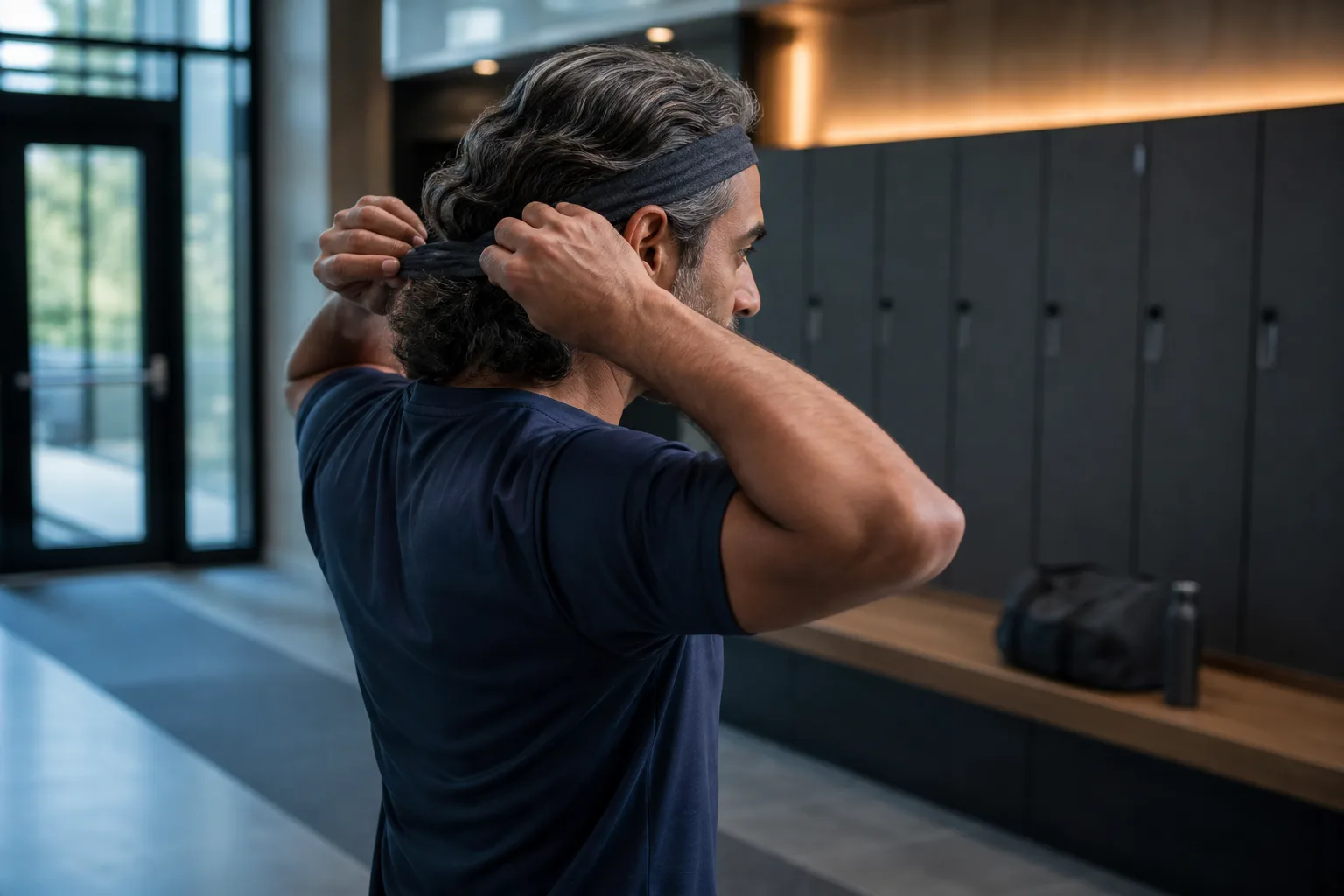
A workout-friendly haircut is not automatically short, blunt, layered, or long enough for a ponytail. It is a cut that works with the movements you do, the way you keep hair off your face, the number of times you realistically restyle it, and the amount of drying you can fit between exercise and the next part of your day. The same bob can be effortless for one routine and irritating for another.
Start with behavior rather than a trend photo. A useful plan accounts for ordinary training days, not only the finished look after a salon blow-dry. You can make most of the decision by auditing one real week, testing your usual accessories, and describing clear priorities to a stylist. A visual preview can support that conversation, but it cannot simulate sweat, movement, drying, texture changes, accessory pressure, or the exact behavior of a finished cut.
Map one real week before choosing a shape
List the sessions you genuinely repeat: running, strength work, cycling, swimming, yoga, team sport, or a short home workout. Note when they happen, whether you shower immediately, and whether you go straight to work, school, errands, or sleep. A haircut that has two hours to air-dry faces a different problem from one that must look presentable twenty minutes after a lunchtime class.
Include rest days and rushed days. If you train four times but only want to style with heat once, say so. If a helmet, cap, headphones, headband, or mat is part of the routine, put it on the list. This prevents a vague request for ‘low maintenance’ from hiding the real decisions: face control, secure length, drying time, volume recovery, or an acceptable second-day shape.
Define success as a repeatable week: what must stay secure, how often you will reset the style, and how much time you have afterward.
Choose the control method before the length
Decide how you prefer to keep hair away from your eyes and neck. That might be a full tie-back, a half-up section, clips, a soft headband, braids, a cap, or simply a short perimeter that cannot fall forward. None is universally best. The useful question is which method stays comfortable through your usual motion without constant adjustment.
Test your current hair during a normal session and note what escapes first: fringe, temple pieces, nape layers, or the entire shape. Those observations are more specific than asking for a sporty cut. If tying everything back is essential, ask the stylist which shortest areas must remain long enough. If you dislike ties, discuss a shape that clears the face and how it will behave once natural texture or humidity returns.
- The activity that creates the most movement
- The first pieces that fall loose or stick to the face
- Accessories you will actually carry and wear
- Whether a helmet, cap, or headphones must fit over the style
Treat tie-back length as a precise tradeoff
There is an awkward zone where hair is long enough to reach the face but too short to gather securely. A jaw or neck-length cut may look clean when styled and still require clips during training. A longer cut may tie back easily but hold more water, take longer to dry, or feel heavy when wet. Neither outcome is a failure; each moves work to a different part of the routine.
Ask for the shortest proposed layer to be demonstrated against your preferred tie or clip position. Face-framing pieces and fringe deserve a separate decision because they can change the exercise experience even when the rest reaches a ponytail. If you want a major length change, agree on which matters more: a fully secure tie-back, a deliberately short front, or accepting a headband during workouts.
Judge layers by recovery, not only movement
Layers can remove weight, encourage shape, and make a cut feel mobile. They can also create more short sections to secure, while a heavier perimeter may gather more predictably but dry with less lift. The result depends on density, strand pattern, shrinkage, condition, and styling. A photograph of a layered cut does not tell you how your own hair will settle after a tie, cap, or damp session.
Bring photos of your hair in its normal post-workout or air-dried state, not only on its best day. Ask how the proposed shape is expected to recover after being tied and what a realistic quick reset involves. That may be releasing the hair and reshaping with hands, changing the part, refreshing selected areas, or leaving it secured until the next wash. Choose the reset you are willing to repeat.
The best movement in a salon photo matters less than the shape you can restore after the accessory comes off.


Plan fringe around frequency, not optimism
Fringe concentrates the decision at the forehead. A short fringe may stay out of the eyes but need frequent reshaping as it grows. A longer fringe can blend into layers or pin back, yet it may fall forward during movement. Curtain shapes offer flexibility for some people, but they still need enough length and a workable fastening method if complete face clearance is important.
Before cutting, imitate the intended length by pinning the current front section and moving through a few ordinary actions: look down, lie back, put on headphones, wear a helmet if relevant, and bend forward. This is not a perfect prediction, but it exposes practical conflicts. Tell the stylist whether you will wash or restyle the front separately and what happens on the day you do nothing.
Build the cut around washing and drying reality
Exercise does not create one universal washing schedule. Comfort, scalp needs, hair type, activity, products, and professional advice all differ. Instead of forcing a rule, describe what you already do and what you want to change. Count full wash days, partial rinses or fringe resets, air-drying time, and occasions when you must leave with damp hair or keep it tied.
Ask which parts of a proposed cut are likely to need deliberate styling to resemble the reference. Shorter does not always mean faster: a compact shape may require a full reset, while longer hair may be easy to secure and postpone. Equally, very long or dense hair may extend drying time. Make the decision from the whole cycle—exercise, wash, dry, sleep, next morning—not from one styling step.
- How often you currently do a full wash and style
- How long your hair usually takes to dry in ordinary conditions
- Whether you need a presentable transition immediately after training
- Which quick reset you can repeat without resentment
Compare options without pretending a preview can move
If you use Hair Muse, begin with one clear, front-facing photo in even light. Compare one useful variable at a time: secure longer length versus a shorter perimeter, fringe versus an open forehead, or heavier versus more layered framing. Save two or three candidates and label the practical question each one raises. The point is to clarify the silhouette you prefer before discussing how it should be adapted.
The preview cannot test a ponytail, reveal hidden short layers, reproduce shrinkage, show how a cap compresses volume, or forecast how hair behaves after exercise. Do not rank generated details as evidence. Use the images beside real photos of your current hair from the front, side, and back, then let a stylist assess length, texture, density, growth patterns, and the technique needed for your routine.
Take a routine brief to the salon
Bring a concise brief: your weekly activities, the control method you prefer, accessories that must fit, maximum reset time, usual drying method, and one maintenance limit. Add one preferred reference, one acceptable alternative, and a photo of what your hair looks like after an ordinary workout. This gives the stylist both the desired shape and the conditions it must survive.
Ask the stylist to demonstrate the shortest sections, tie-back reach, fringe options, and likely grow-out. Discuss how often the shape may need trimming and what happens between appointments. No cut can guarantee that hair will remain unchanged through sweat, friction, water, weather, or movement. A successful consultation produces a workable range and a fallback plan, not a promise of permanent control.
Salon brief: real weekly routine, preferred control method, required accessories, reset-time limit, drying habits, and a small visual shortlist.