
Hair color planning
Highlights vs all-over color: a free decision guide
Choose between dimensional ribbons and one continuous shade by comparing contrast, regrowth, hair condition, routine, and the result you actually want.
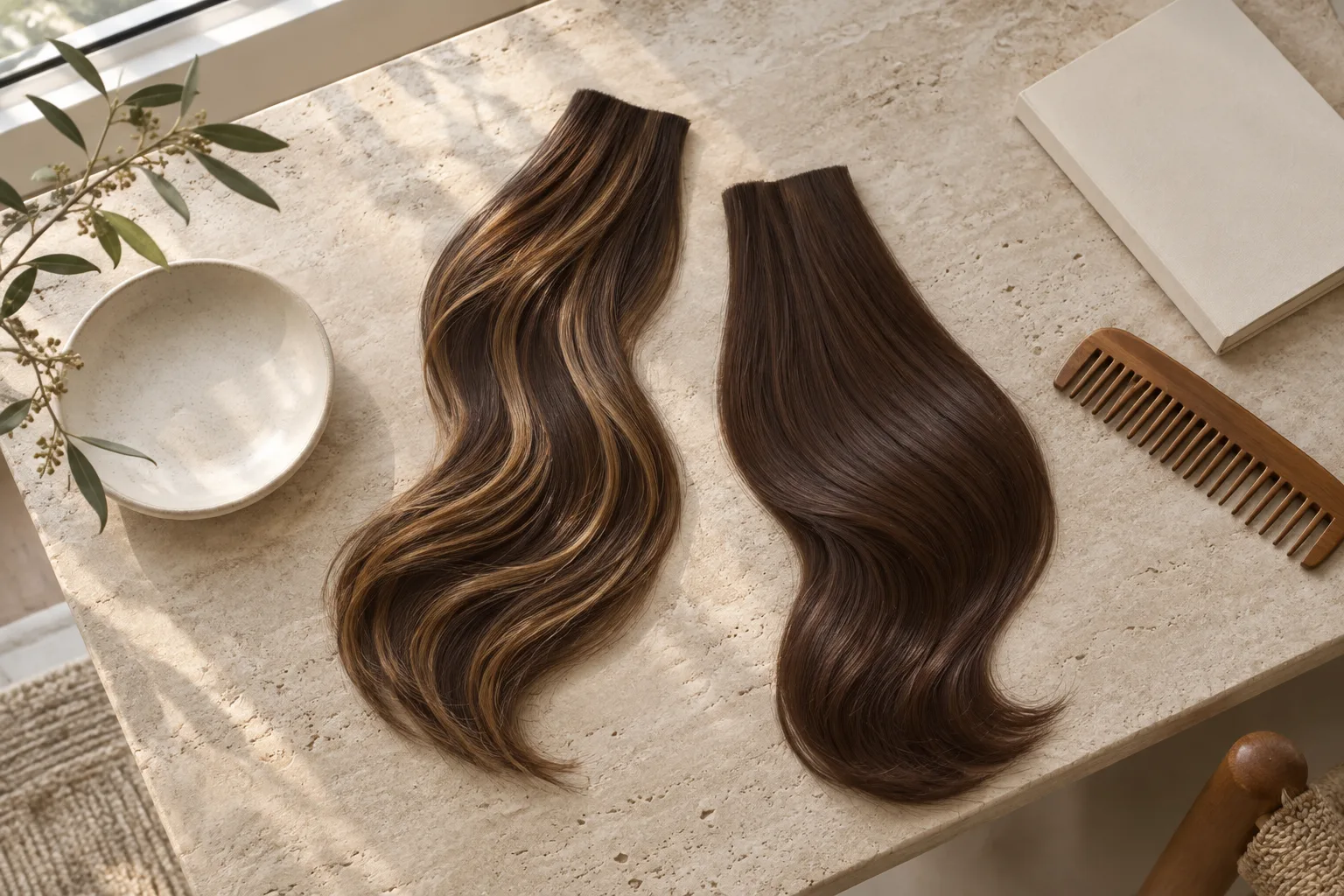
Highlights vs all-over color is not simply a choice between light and dark. Highlights preserve visible differences between selected strands and the base, so movement and depth come from contrast. All-over color creates a more continuous impression from root to end, although existing variation, gray hair, porosity, and previous services can still make the result look multi-tonal. The better option depends on the visual outcome you want and the maintenance you can repeat after the first appointment.
This free decision guide separates that choice into six practical questions: where you want contrast, how a new root line should look, how much of the hair needs chemical processing, what your current color history allows, how often you can maintain the result, and which references will help a colorist assess feasibility. It does not prescribe a formula or promise a result.
Start with the visible outcome, not a technique name
Write one sentence about what should look different in ordinary light. If you want a solid, deliberate shift across the whole silhouette, an all-over direction may fit the brief. If you want the natural base to remain visible while selected pieces catch light, highlights may fit better. Say where the change should be noticeable: around the face, through the top, at the ends, or from root to tip.
Then name what must remain. You may want to keep natural depth near the scalp, avoid a strong line as the hair grows, preserve curl definition, cover gray consistently, or leave most lengths untouched. Those boundaries matter more than an inspiration photo’s label. Balayage, foils, babylights, lowlights, gloss, permanent color, and demi-permanent color describe different tools or services; they are not interchangeable promises. A colorist chooses among them after seeing the starting base and target.
- Choose all-over direction when continuity and a clear overall shade are central
- Choose a highlight direction when contrast, dimension, or selective brightness is central
- Keep the natural base visible if softer regrowth is a priority
- Treat gray coverage, lightening, and tone correction as separate technical questions
Highlights vs all-over color: compare dimension and continuity
Highlights create visual rhythm because lighter, darker, warmer, or cooler pieces sit beside the base. Fine placement can look subtle; wider or higher-contrast sections can look graphic. The effect changes when hair moves, curls separate, or a part shifts. All-over color reads more continuously, which can make a chosen hue feel intentional and saturated across the full shape. It may also make differences in root color, fading, or porous ends easier to notice later.
Judge the full silhouette before zooming into individual strands. Ask whether your haircut benefits from visible separation or from a calm block of color. Layers and curls can display dimensional placement strongly, while a sharp bob can make a continuous shade feel especially clean. Density, texture, light, styling, and placement change the effect, so use references with a starting base and texture reasonably close to yours.
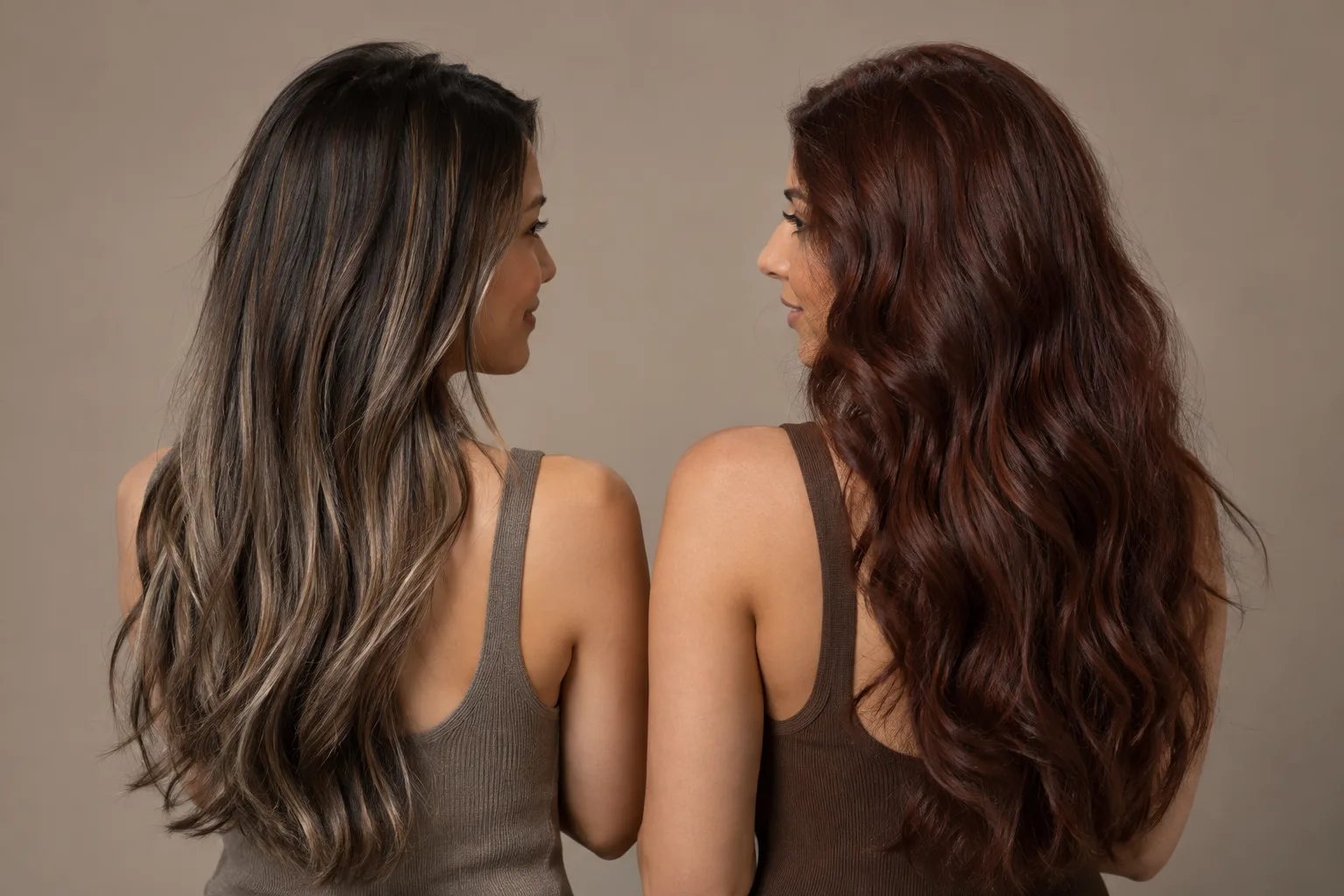
Let the future root line influence the choice
Hair grows while previously colored lengths remain in place, so every color plan eventually becomes a root plan. A continuous shade that differs strongly from the natural base can create a distinct boundary. Selective highlights may distribute the transition, especially when some natural color remains between sections, but bright pieces that begin directly at the scalp can still show regrowth. Placement, contrast, gray distribution, parting, and how often you tie the hair back all affect visibility.
Imagine the result after several weeks, not only on appointment day. Check the part, temples, hairline, crown, and areas exposed by ponytails. Decide whether you prefer a precise root refresh, a softer blend, or a deliberately lived-in transition. Do not copy a fixed appointment interval from someone else; growth rate, contrast, technique, fading, budget, and personal tolerance differ.
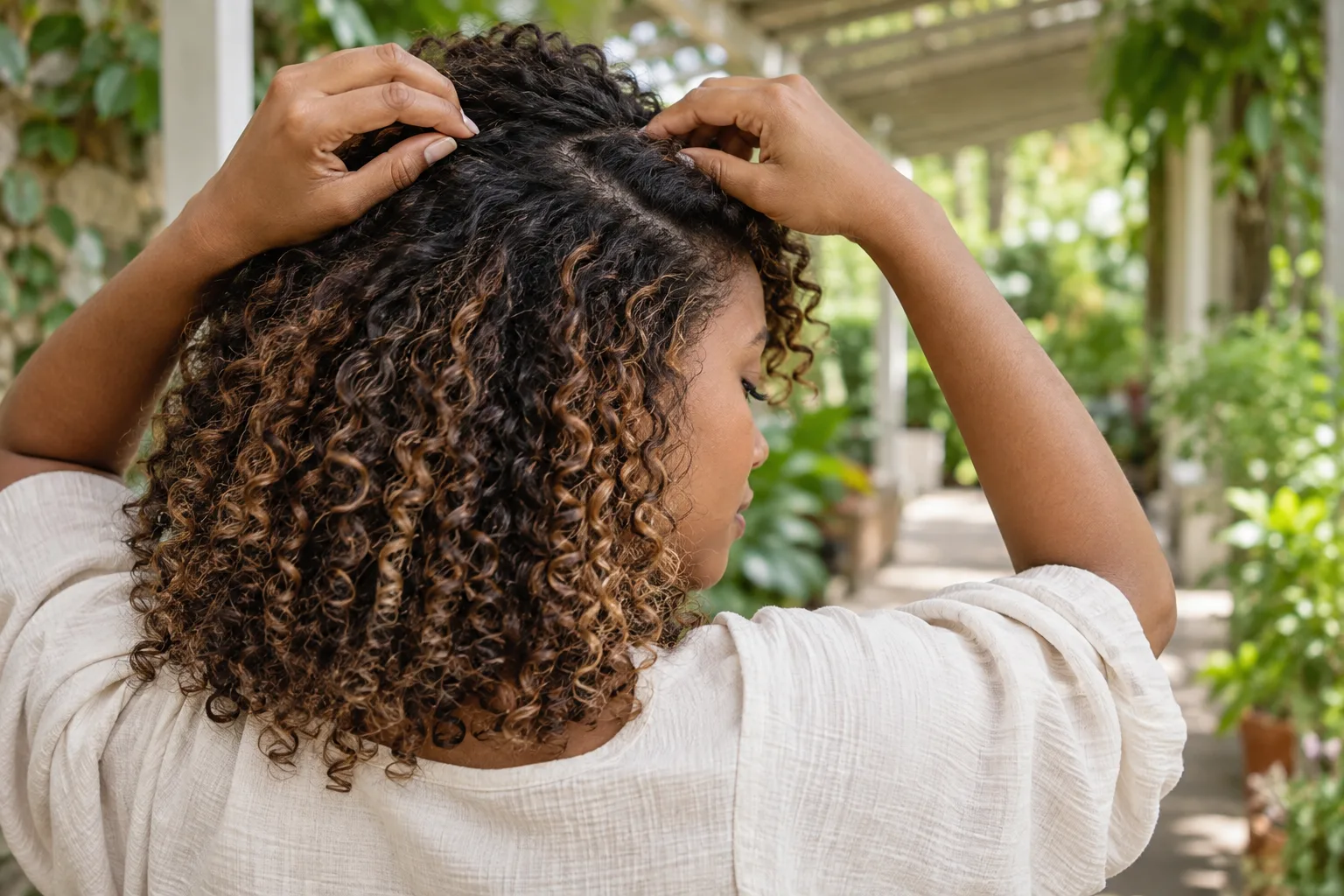
Map your starting base and color history honestly
Natural depth, gray distribution, old permanent color, previous bleach, henna or other direct dyes, heat damage, and porous ends can all change what is achievable in one visit. Color does not behave like an opaque digital layer. Previously darkened lengths may not lighten evenly, and lighter porous sections may absorb tone differently from untouched roots. Tell the colorist every recent service you remember, including home color, even when it looks faded.
Separate the destination from the first safe step. The final goal might be cool dimensional brunette, bright blonde ribbons, copper continuity, or softer gray blending, while the first appointment may focus on testing, correcting uneven bands, restoring condition, or establishing a base. A staged plan keeps expectations connected to the starting material.
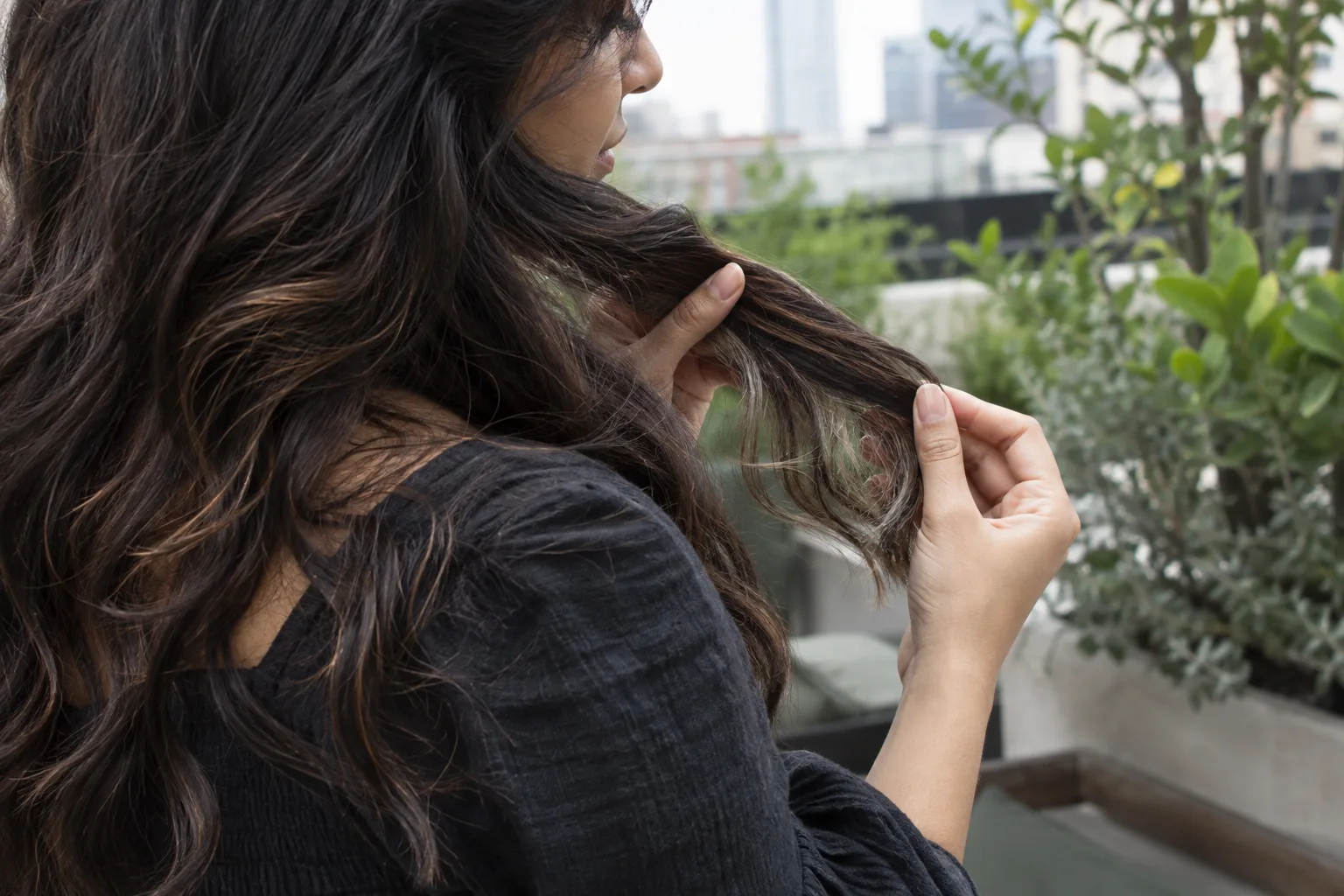
Consider processing area and strand condition
Neither highlights nor all-over color is automatically gentle. The effect depends on whether hair is being lightened or darkened, the products and strength used, how much hair is processed, whether applications overlap previously treated areas, and the condition of each section. Highlights process selected strands; an all-over service may involve a broader area, but a deposit-only formula is not equivalent to all-over lightening. Only an in-person professional can assess the relevant variables.
The American Academy of Dermatology explains that coloring and lightening can leave hair dry or brittle and recommends allowing more time between chemical services when possible. It also advises staying within a limited shade change when managing damage risk at home. If hair is breaking, unusually rough, or reacting unpredictably, postpone an ambitious change and seek professional guidance.
Safety is separate from appearance. The U.S. Food and Drug Administration advises following package directions, wearing gloves, not mixing different dye products, and performing the instructed skin test before each use. A history of reaction, an irritated scalp, or uncertainty about a product deserves caution. A visual preview cannot establish allergy safety or chemical compatibility.
Price maintenance in time, appointments, and daily care
List the work that continues after the salon: root or highlight refreshes, tone or gloss conversations, color-safe washing, conditioning, heat protection, detangling, and styling. Do not assume highlights are always low maintenance or an all-over shade is always demanding. Subtle placement near the natural base may grow out softly, while high-contrast scalp highlights may need regular attention. A close all-over shade can be forgiving; a dramatic shift can make new roots obvious.
Build a routine you would follow on an ordinary week. Consider how often you wash, swim, heat-style, spend time in strong sun, or need hair tied back. Note what bothers you most: visible roots, fading, warmth, dryness, or loss of contrast. Ask which maintenance service addresses that specific change rather than automatically repeating the full original appointment.

Use a free hair color comparison as a preference test
If you are unsure which visual direction to discuss, Hair Muse can help you compare a more dimensional look with a more continuous color on the same clear photo. The app is free to download; some previews or usage levels may require an in-app purchase. Keep the face, haircut, styling, crop, and light constant. Change only distribution first, then compare depth or temperature separately.
Treat the images as preference evidence, not technical predictions. A generated result cannot show how your pigment lifts, how porous ends accept color, whether gray will cover evenly, how a toner fades, or which formula is safe. It may also invent shine, density, light, or strand placement. Reject any result that changes the face or hair texture enough to bias the choice. Our lighting guide can help you compare color references without confusing warm room light with the actual shade.
A preview can answer ‘Do I prefer visible dimension or a continuous shade?’ It cannot answer ‘Can my hair reach this safely in one appointment?’
Turn the decision into a useful color consultation
Bring two or three references that prove a relationship, not only a celebrity result. Include one image for the desired contrast, one for placement or continuity, and one for acceptable regrowth. Add current photos in neutral daylight showing roots, lengths, ends, and the back. State your color history, usual part, styling routine, budget range, visit tolerance, and whether gray coverage is a requirement or a preference.
Ask the colorist to translate the visual goal into a staged, maintainable service: Which areas need lightening or deposit? What can remain untouched? How will the first root line appear? Which part of the reference is unrealistic for your base or condition? What would a lower-contrast version look like? If gray is part of the decision, our cover-or-grow-out guide offers a separate framework for coverage, blending, and deliberate transition.
Finish with one desired outcome and one acceptable compromise. You might prioritize a soft grow-out over maximum brightness, consistent coverage over strong dimension, or hair condition over a one-visit transformation. That hierarchy gives the professional room to adapt the technique without losing the reason you came. The practical winner in highlights vs all-over color is the direction whose first result, future roots, routine, and long-term processing all fit the same honest plan.