Hair color planning
Dark blonde vs light brown: which color feels right?
The border between blonde and brown is less useful than the brightness, warmth, root contrast and upkeep you actually want to live with.

Dark blonde vs light brown sounds like a tidy choice until two pictures of the same hair produce two different labels. In a bright window it may look golden and airy; under a warm bulb it can read unmistakably brown. If you are choosing a new color, arguing over the name will not tell a colorist how much brightness you want at the face, how solid the lengths should feel, or how visible the roots may become. Those are the decisions that shape the result.
This guide treats the blonde-brown border as a visual planning problem. You will inspect your current color in comparable light, separate depth from warmth, use Hair Muse to compare a small set of directions on one photo, and turn the preferred look into a realistic salon conversation. A preview can clarify taste. It cannot identify your exact color formula, predict lift or porosity, or guarantee that your starting hair can reach the pictured result in one session.
Dark blonde vs light brown: define the difference you can see
Both names cover a wide, overlapping-looking range in everyday language. A dark blonde can appear brown in shade; a light brown can carry golden pieces that look blonde in sun. Printed shade labels also vary by product and photographer. Instead of treating a name as a universal measurement, describe the overall impression: do you want the hair to read light first, with brown depth underneath, or brown first, with lighter movement on top? This distinction remains useful even if someone else names the finished color differently.
Look at the full head, not a single highlighted strand. Check the color near your face, at the crown, through the middle, and at the ends. If only the ends catch light, a photograph can overstate how blonde the whole head will look. If the roots are much deeper than the lengths, a single label hides a two-part design. Write down what you like in a reference image—soft contrast, a lighter face frame, a quiet base—before saving it as your target.
- Which family should the whole head read as in ordinary light?
- Where should the brightest pieces sit?
- Should the roots blend quietly or create visible contrast?
- How solid or varied should the lengths look?
Read your current hair in neutral daylight
Take an unfiltered photo near a window or in open shade, with your hair dry and styled as you normally wear it. Keep the window in front or beside you rather than directly behind your head. A second photo from the back shows whether the lengths are lighter than the crown. Avoid judging color from a bathroom spotlight, a sunset selfie, or a heavily edited inspiration photograph. Each can move perceived warmth and depth enough to change your decision.
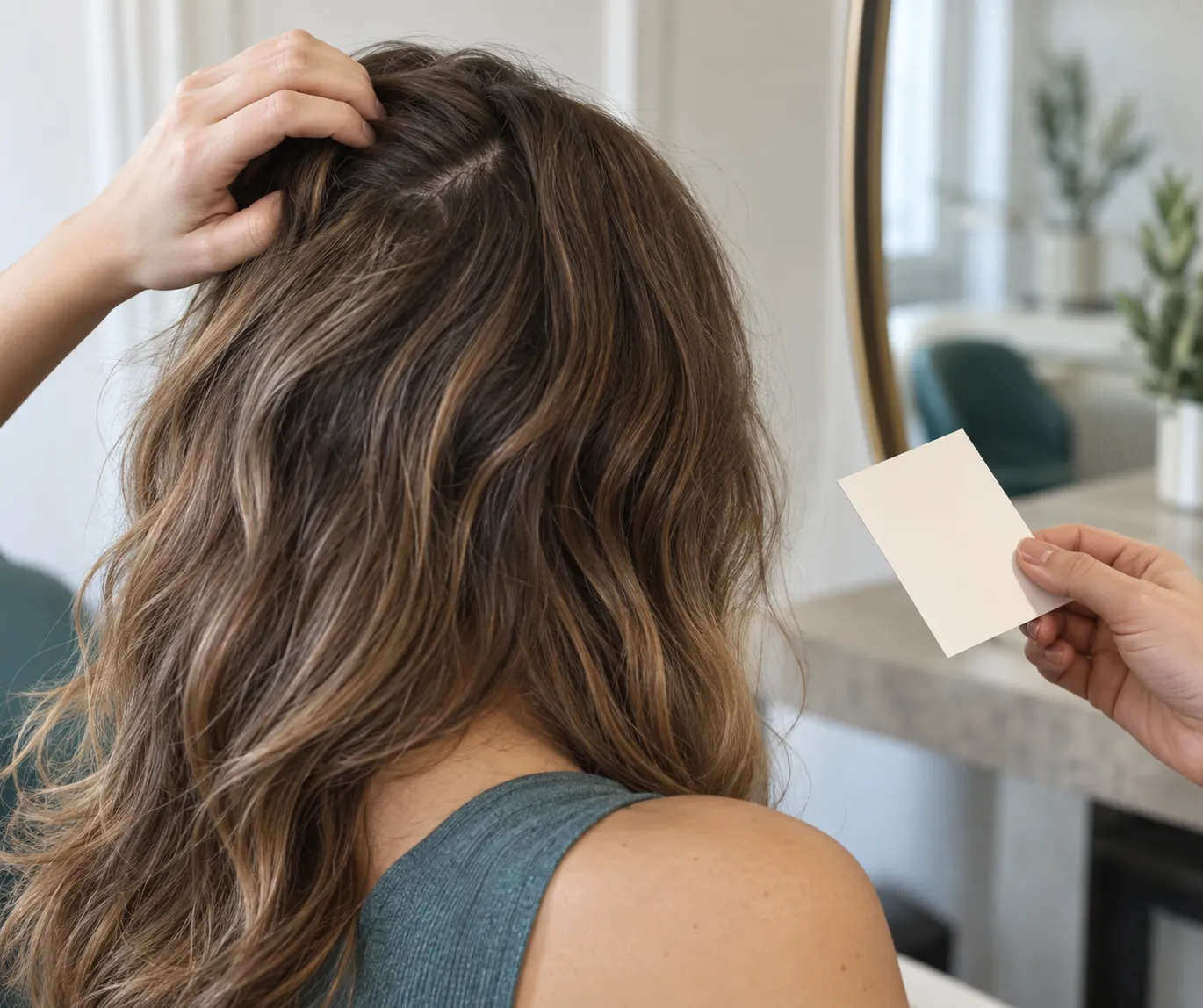
Separate roots from previously colored lengths. The color growing at the scalp may be your natural starting point, while the ends may carry old dye, lightener, or sun exposure. Those zones can react differently to a future service. You do not have to diagnose them yourself; simply photograph them clearly and tell the professional what has been done before. If your base already sits near the blonde-brown border, you may need a smaller visual move than someone starting from much darker hair.
Choose depth before debating warm or cool
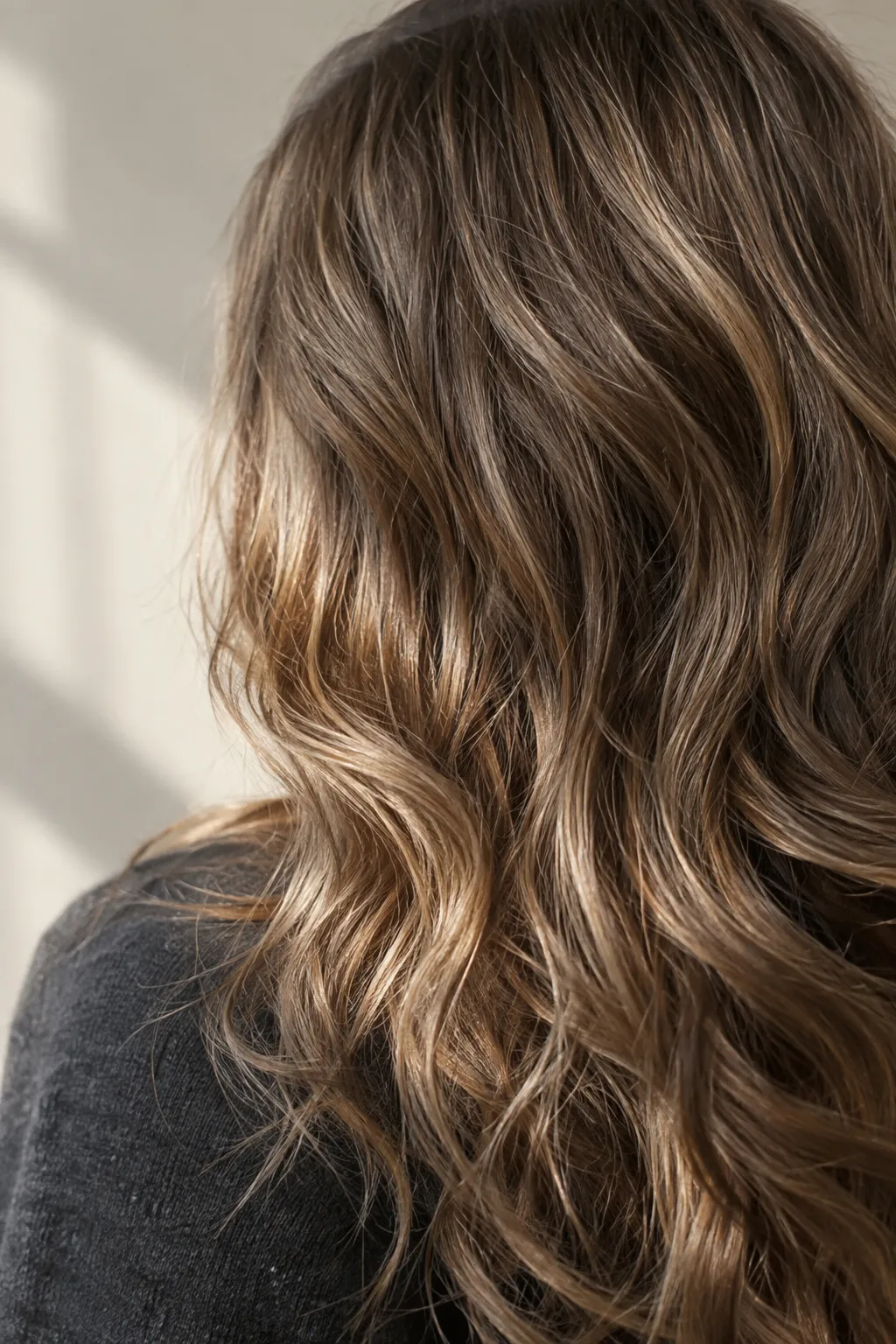
Depth describes how light or dark the hair reads; tone describes whether its visible cast feels warmer, cooler, or more neutral. A cool dark blonde and a warm light brown are not interchangeable just because both sit near a similar brightness. First decide whether you want more light around your face or a stronger brunette base. Then consider whether gold, beige, ash, or a balanced neutral direction supports that goal. Making both decisions at once can produce a pile of attractive pictures without a coherent preference.
Look at your everyday clothing, brows, and the light in which you see yourself most often, but do not let a rigid complexion rule decide for you. A cool-sounding name is not automatically flattering, and a warm one is not automatically brassy. Ask whether the color still looks like you when you wear your ordinary clothes and little styling. If you are uncertain about tone rather than brightness, keep depth fixed while comparing two tonal directions. Our broader guide to warm and cool hair color goes deeper into that separate choice.
Compare one lightness change on your own photo
Hair Muse is useful here because the question is visual: which side of the border makes your face and hairstyle feel most like yours? Start with the clear daylight photo you already took. Preview a restrained dark-blonde direction and a restrained light-brown direction while keeping the haircut, part, and overall framing as similar as possible. Save only the two versions that answer the question. If a preview dramatically changes your face, hairline, texture, or lighting, discard it rather than counting it as evidence for one shade.
Next, name the single difference that made you choose: lighter hair around the face, a deeper crown, more uniform lengths, or softer root contrast. If both results are appealing, compare a third middle direction rather than producing dozens of tiny variants. An image can help you articulate a preference; it does not measure your actual pigment, dictate a formula, or show exactly how color will fade. Hair Muse is free to download, while some previews or usage levels may require an in-app purchase.
A useful shortlist is two clear directions and one sentence about why you prefer one—not a folder of almost identical screenshots.

Decide whether you want a blonde impression or a brown base
A dark-blonde goal often depends on visible lighter pieces and enough overall brightness to read blonde in ordinary daylight. A light-brown goal can feel more grounded, with pale movement used only where it adds dimension. Neither is inherently lower maintenance or more natural. The effort depends on your own starting color, prior services, desired contrast, and where the lightness is placed. A brown base with a few bright pieces can require different work from a uniformly lighter result, even when the pictures seem close.
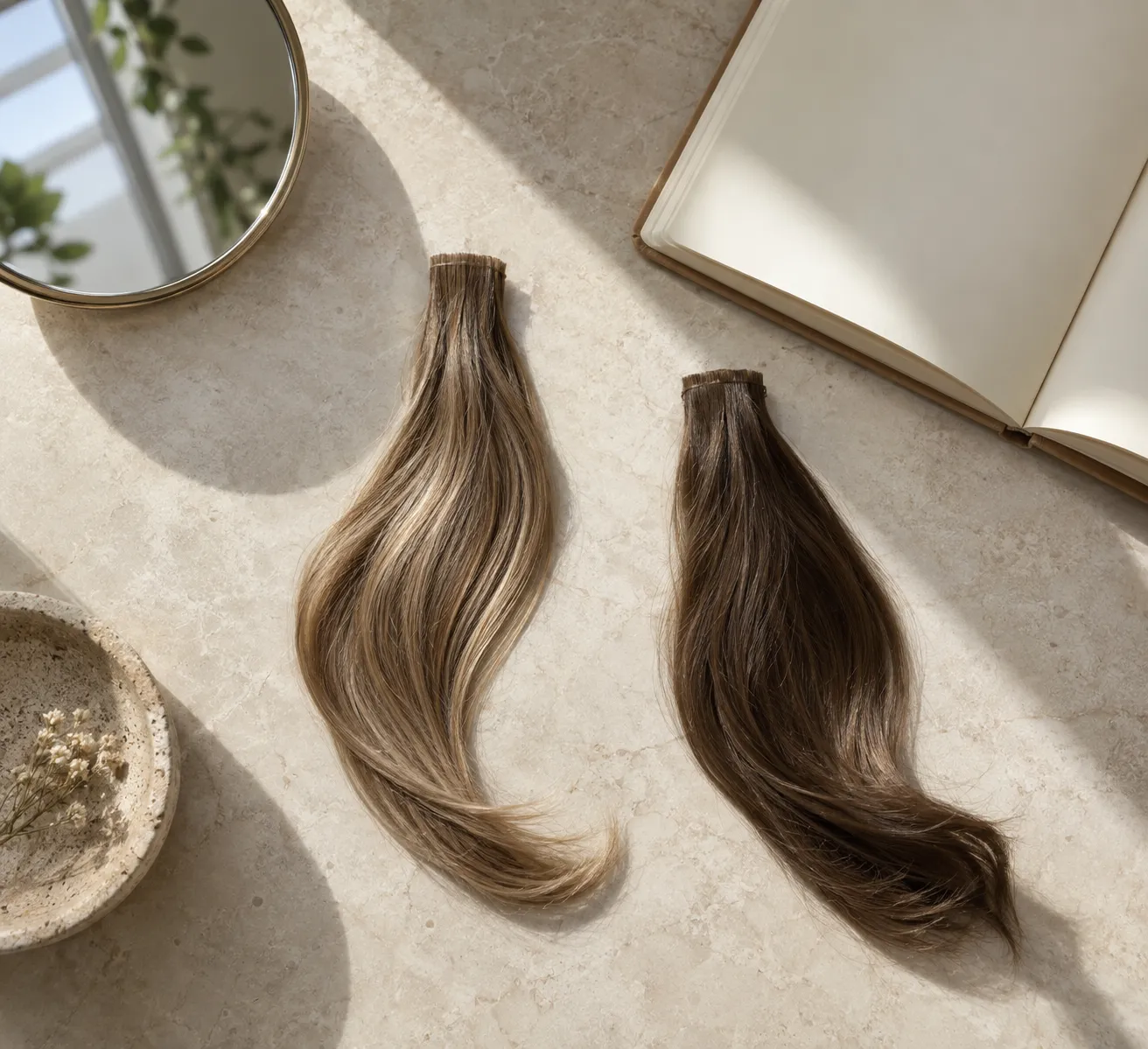
Lay two references side by side and ignore their captions. Point to the root area, the area beside the cheek, and the longest visible lengths. Say which zones you want to keep deeper and where you want light to be noticeable. If your biggest concern is actually how dark the overall result looks, the separate dark-hair depth guide helps with that decision. Here, the goal is the specific boundary between a blonde-reading finish and a light-brunette finish, not a general ladder of all brunette shades.
Plan for roots, previous color, and the next appointment
Hold a recent photo of your roots beside the desired reference. If the target is lighter than your starting color, the contrast may become more noticeable as your hair grows. If you prefer an unobtrusive grow-out, tell the colorist that before discussing technique. A softer transition at the root may suit that preference; a brighter-from-the-scalp look tells a different story. Neither choice can be judged from the ends alone, and neither has a universal appointment schedule.
Bring the history of old dye, highlights, or lightening, even if the last service was months ago. A preview cannot reveal what is underneath the visible color. Ask the professional which parts could require lightening, which could simply be toned or deepened, how they expect the root line to look later, and what maintenance they would recommend for your actual hair. The American Academy of Dermatology notes that stronger lightening can increase damage; it is a reason to discuss the route, not to assume every lighter shade is unsafe.
Test the decision against everyday lighting
A shade that looks bright in midday sun can look much deeper in an office or on a cloudy commute. That is ordinary light behavior, not evidence that the color has failed. Revisit your two preferred previews at the same screen brightness and compare them with your unfiltered daylight photo. Do not brighten one result or warm one with a filter. Also check a real reference photo in an ordinary room if you have one; campaign photography often uses conditions your bathroom never will.
Ask yourself which difference you want to notice on a routine day. Perhaps you want the face frame to feel lighter even indoors. Perhaps you prefer a softly brown overall impression that opens up in sunlight. If the answer changes entirely with the light, record both settings for your consultation. Avoid asking the stylist to promise one fixed appearance in every room. The meaningful outcome is a planned range of impressions, not a digitally frozen shade chip.
Turn a saved look into a useful salon brief
Bring your current front, side, and back photos, plus two saved directions. Do not present an AI preview as a guaranteed target; circle or describe the feature you want to discuss. For example: ‘I like the lighter pieces near the cheek in this version, but I want the roots closer to my natural shade.’ Add one feature you do not want, such as a solid golden finish or an obvious root line. This gives the professional room to explain a feasible route for your hair.
Ask three questions: what can be done with your starting base, what part of the reference might need more than one service, and what the grow-out may look like. If you have reacted to color products before, say so before any service. The US Food and Drug Administration advises following product directions and doing a patch test before hair dye; a salon can explain its process. A visual plan never replaces an allergy precaution or a professional assessment of hair condition.